THE ADVENTURE COLLECTIVE® · Independent discovery and booking for outdoor travel

Glide the Amstel on a quiet, electric open boat from the Hermitage dock and see Amsterdam’s 17th-century canal ring up close. This 60-minute tour mixes live local commentary with unobstructed waterfront views—ideal for first-time visitors and locals alike.
Glide the Amstel on a quiet, electric open boat from the Hermitage dock and see Amsterdam’s 17th-century canal ring up close. This 60-minute tour mixes live local commentary with unobstructed waterfront views—ideal for first-time visitors and locals alike.
Early morning on the Amstel feels like a city waking up with a slow, horizontal breath: the canal water mirrors gabled facades while seagulls cut lazy arcs overhead. On this open electric boat cruise you sit close to the waterline, hearing the city’s heartbeat in splashes and distant bicycle bells as the guide sketches centuries in plain language.
Verified experiences and guided adventures in the surrounding area.
Operated by Boat Amsterdam · Amsterdam, North Holland
Early morning on the Amstel feels like a city waking up with a slow, horizontal breath: the canal water mirrors gabled facades while seagulls cut lazy arcs overhead. On this open electric boat cruise you sit close to the waterline, hearing the city’s heartbeat in splashes and distant bicycle bells as the guide sketches centuries in plain language.
Amsterdam’s canal ring was dug and developed during the 17th-century Golden Age; the concentric canals are an engineered response to trade, land reclamation and urban planning. The Herengracht, Prinsengracht and Keizersgracht you glide past carry stories of merchants, houseboats and civic life—buildings that survived war, flood and redevelopment. Geologically, the city rests on reclaimed peat and clay, which explains the network of wooden piles under many canal-side houses.
Culturally the route passes neighborhoods that still hum with local routines: the Jordaan’s shopfronts, the Westertoren’s church bells, and the Magere Brug’s wooden swing. Guides usually explain Amsterdam’s maritime legacy and social nuances—how canals shaped commerce, social policy and housing.
Practical notes: meet at the Hermitage/ H’ART dock (Amstel 51) at least 10 minutes before departure. Tours run about 60 minutes; boats are electric and low-wake, with toilets onboard and heated seating in winter if covered. Wear windproof layers—open decks feel colder on the water—and bring a camera with a polarizing filter for reflections. If you’re sensitive to crowds, choose early or late departures; routes vary with traffic and weather. Whether you’re after history, photography or a low-key orientation to Amsterdam, this is a compact, accessible way to read the city from its waterways.
easy.
1 hour.
Minimal physical fitness required; suitable for most ages and mobility levels
Boarding is at the boating dock in front of the H'ART Museum (Hermitage) on Amstel 51; arrive 10 minutes early for check-in.
Boats are described as stroller-accessible, and service animals are allowed; accessibility can vary, so contact the operator if you need a ramp.
Yes—children can join but infants must sit on an adult’s lap; routes through the Red Light District are kept at a safe distance when families are aboard.
In poor weather the operator may provide umbrellas, switch to a covered boat, reschedule, or offer a full refund depending on conditions.
The Amsterdam Canal Ring (Grachtengordel) was laid out in the 17th century as part of a planned expansion tied to trade and land reclamation; many canal houses date to that era.
Operators use electric boats to reduce noise and emissions; visitors are encouraged not to feed wildlife and to use onboard facilities to limit pollution.
Boat Amsterdam operates guided outdoor trips and adventures with an emphasis on safety, stewardship, and memorable experiences.
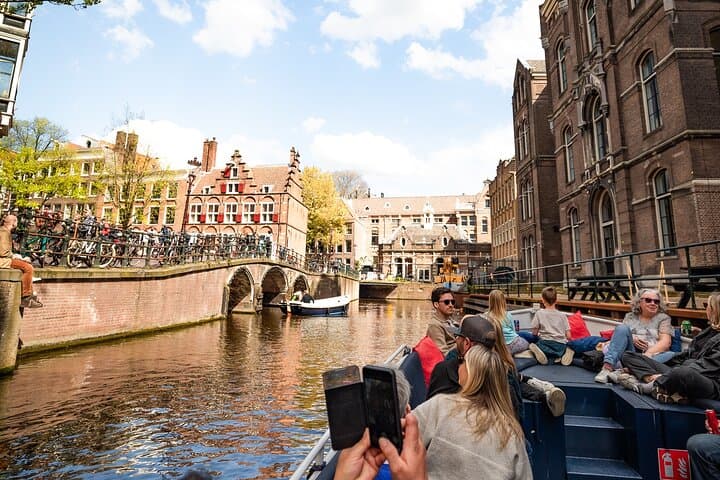
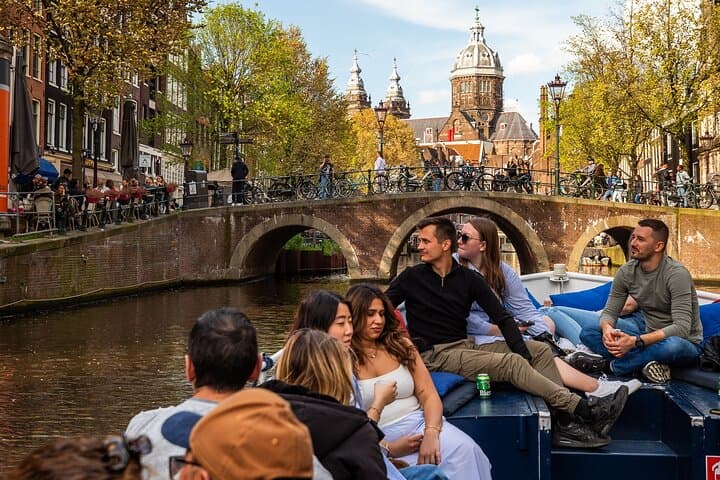
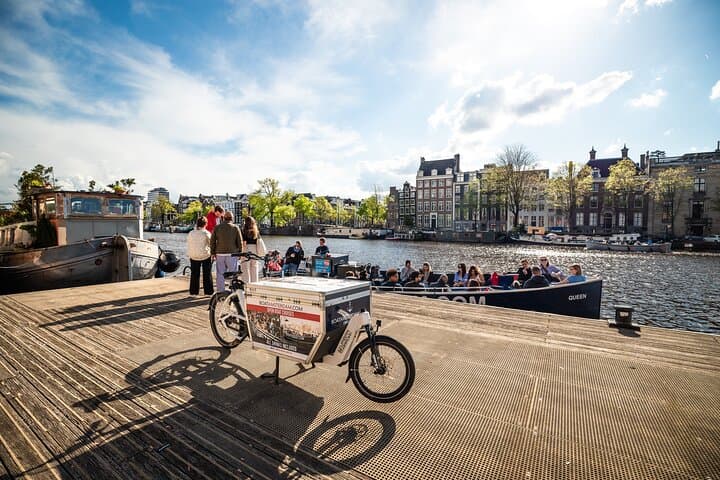
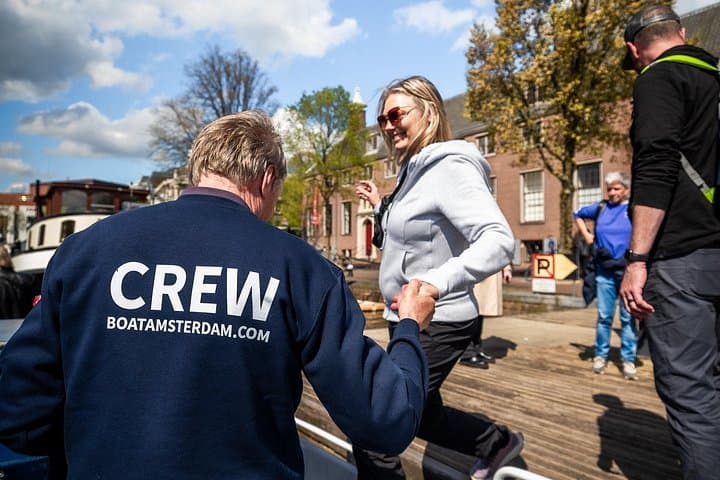
Early morning on the Amstel feels like a city waking up with a slow, horizontal breath: the canal water mirrors gabled facades while seagulls cut lazy arcs overhead. On this open electric boat cruise you sit close to the waterline, hearing the city’s heartbeat in splashes and distant bicycle bells as the guide sketches centuries in plain language.
Early morning on the Amstel feels like a city waking up with a slow, horizontal breath: the canal water mirrors gabled facades while seagulls cut lazy arcs overhead. On this open electric boat cruise you sit close to the waterline, hearing the city’s heartbeat in splashes and distant bicycle bells as the guide sketches centuries in plain language.
Amsterdam’s canal ring was dug and developed during the 17th-century Golden Age; the concentric canals are an engineered response to trade, land reclamation and urban planning. The Herengracht, Prinsengracht and Keizersgracht you glide past carry stories of merchants, houseboats and civic life—buildings that survived war, flood and redevelopment. Geologically, the city rests on reclaimed peat and clay, which explains the network of wooden piles under many canal-side houses.
Culturally the route passes neighborhoods that still hum with local routines: the Jordaan’s shopfronts, the Westertoren’s church bells, and the Magere Brug’s wooden swing. Guides usually explain Amsterdam’s maritime legacy and social nuances—how canals shaped commerce, social policy and housing.
Practical notes: meet at the Hermitage/ H’ART dock (Amstel 51) at least 10 minutes before departure. Tours run about 60 minutes; boats are electric and low-wake, with toilets onboard and heated seating in winter if covered. Wear windproof layers—open decks feel colder on the water—and bring a camera with a polarizing filter for reflections. If you’re sensitive to crowds, choose early or late departures; routes vary with traffic and weather. Whether you’re after history, photography or a low-key orientation to Amsterdam, this is a compact, accessible way to read the city from its waterways.