THE ADVENTURE COLLECTIVE® · Independent discovery and booking for outdoor travel

Ride an open-air shuttle from Kāʻanapali to Honolua Bay and the Nakalele Blowhole, stopping for the famous Lahaina Banyan Tree and local treats. This 2–3 hour coastal loop pairs dramatic geology with approachable sightseeing and plenty of photo ops.
Ride an open-air shuttle from Kāʻanapali to Honolua Bay and the Nakalele Blowhole, stopping for the famous Lahaina Banyan Tree and local treats. This 2–3 hour coastal loop pairs dramatic geology with approachable sightseeing and plenty of photo ops.
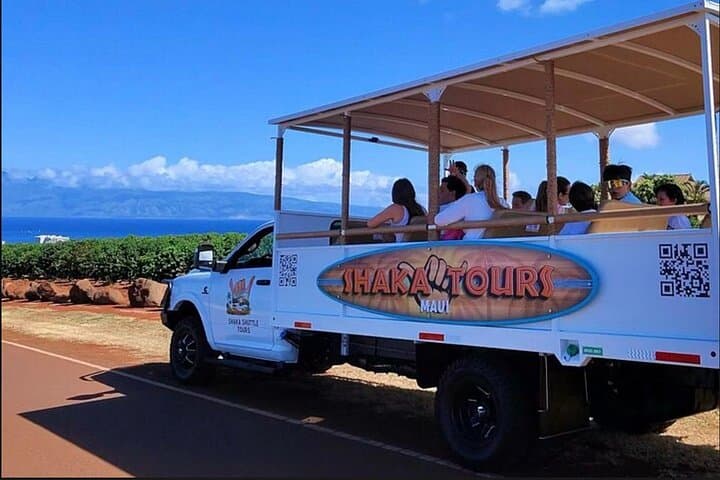
The open-air vehicle hums to life at Whalers Village and a trade wind slips through the seats, carrying salt and the low rumble of surf. You drive west and then north, the asphalt folding along cliffs that keep one eye on the ocean. In that close-up between sea and sky, the island feels intentional: sharp lava rock, green ridgelines, and places where water tests the shore so insistently that it has learned to punch through rock.
Verified experiences and guided adventures in the surrounding area.
Operated by Shaka Shuttle Tours Maui · Lahaina, Hawaii
The open-air vehicle hums to life at Whalers Village and a trade wind slips through the seats, carrying salt and the low rumble of surf. You drive west and then north, the asphalt folding along cliffs that keep one eye on the ocean. In that close-up between sea and sky, the island feels intentional: sharp lava rock, green ridgelines, and places where water tests the shore so insistently that it has learned to punch through rock.
History sits beside the road. In Lahaina, the banyan tree that anchors the courthouse lawn was planted in 1873 and has since stretched until its aerial roots act like an entire small forest. It was planted as a community landmark, and today the tree still gathers visitors and locals for markets, hula nights, and quiet afternoons under its wide canopy.
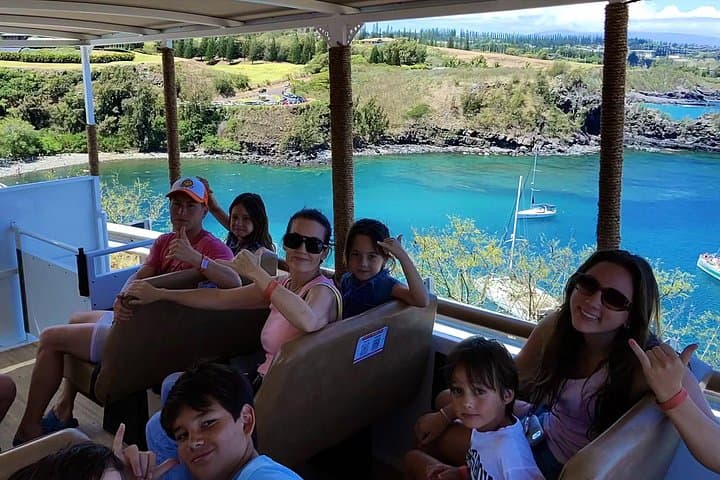
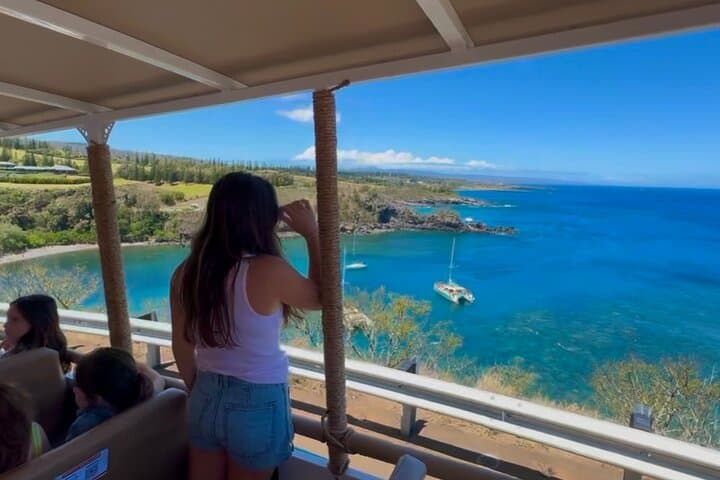
Geology explains the theatrics: West Maui is the eroded remnant of an ancient shield volcano. Honolua Bay’s crescent collects currents and creates a protected pocket of coral—part marine reserve and a magnet for snorkelers. Farther north, the Nakalele Blowhole is a lesson in process: waves driven into lava tubes compress and release through a seam, shooting steam and spray with a periodic, unpredictable force. The land here keeps its own schedule.
Culture and local color appear in unexpected stops—banana bread from Mama Leis, coffee farm overlooks where volcanic soil has been coaxing beans for decades, and Kapalua, which blends resort polish with old plantation roads and walking trails.
Practical note: this is a relaxed, 2–3 hour guided loop that’s heavy on viewpoints and short photo stops rather than long hikes. The shuttle’s windows are the open sky; wind and sun are constant companions. Photographers should pick a window seat on the ocean side for the best angles, and everyone should respect posted barriers—especially at Nakalele where the rocks are slippery and the blowhole is powerful and unpredictable.
Plan to bring sun protection, a layer for wind, and sturdy shoes for the short walks at lookouts. Morning departures temper glare and trade winds; winter months add the bonus of whale sightings from shore, while summer calms the swell and improves snorkel conditions at Honolua. There’s little strenuous activity—this is about reading the coastline with a guide who points out geology, history, and where to taste the best banana bread.
If you want to stretch this into a day, couple the tour with a walk through historic Lahaina town after the drop-off. Otherwise, settle back into the shuttle’s breeze and let the island do the talking: cliffs that hold court, waves that dare you closer, and a banyan that quietly keeps watch.
easy.
2–3 hours.
Suitable for all fitness levels; involves short, flat walks at viewpoints.
The tour lasts about 2 hours and 15 minutes (135 minutes), with several short stops for photos and viewpoints.
Meet at Whalers Village Shopping Mall in the grassy area in front of the valet/pick-up roundabout in Kāʻanapali.
This tour stops at the Honolua Bay lookout for photos; swimming or snorkeling is not included—access requires time and suitable conditions.
Yes—it's rated easy and suitable for all fitness levels, though keep children close at blowhole viewpoints and on the shuttle.
No—refreshments like Mama Leis banana bread are available at stops but not included in the tour price.
For a full refund cancel at least 24 hours before departure; tours may be canceled for bad weather or insufficient travelers.
Lahaina’s banyan was planted in 1873 and has functioned as a social and civic gathering spot ever since; the area was once the capital of the Hawaiian Kingdom and a busy whaling hub in the 19th century.
Honolua Bay is a protected marine area—use reef-safe sunscreen and avoid touching coral; stay on designated paths to prevent erosion at cliff viewpoints.
Shaka Shuttle Tours Maui operates guided outdoor trips and adventures with an emphasis on safety, stewardship, and memorable experiences.
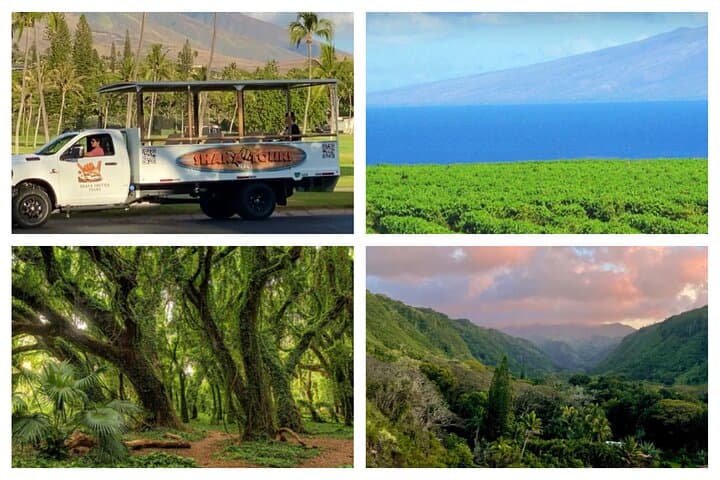
The open-air vehicle hums to life at Whalers Village and a trade wind slips through the seats, carrying salt and the low rumble of surf. You drive west and then north, the asphalt folding along cliffs that keep one eye on the ocean. In that close-up between sea and sky, the island feels intentional: sharp lava rock, green ridgelines, and places where water tests the shore so insistently that it has learned to punch through rock.
The open-air vehicle hums to life at Whalers Village and a trade wind slips through the seats, carrying salt and the low rumble of surf. You drive west and then north, the asphalt folding along cliffs that keep one eye on the ocean. In that close-up between sea and sky, the island feels intentional: sharp lava rock, green ridgelines, and places where water tests the shore so insistently that it has learned to punch through rock.
History sits beside the road. In Lahaina, the banyan tree that anchors the courthouse lawn was planted in 1873 and has since stretched until its aerial roots act like an entire small forest. It was planted as a community landmark, and today the tree still gathers visitors and locals for markets, hula nights, and quiet afternoons under its wide canopy.
Geology explains the theatrics: West Maui is the eroded remnant of an ancient shield volcano. Honolua Bay’s crescent collects currents and creates a protected pocket of coral—part marine reserve and a magnet for snorkelers. Farther north, the Nakalele Blowhole is a lesson in process: waves driven into lava tubes compress and release through a seam, shooting steam and spray with a periodic, unpredictable force. The land here keeps its own schedule.
Culture and local color appear in unexpected stops—banana bread from Mama Leis, coffee farm overlooks where volcanic soil has been coaxing beans for decades, and Kapalua, which blends resort polish with old plantation roads and walking trails.
Practical note: this is a relaxed, 2–3 hour guided loop that’s heavy on viewpoints and short photo stops rather than long hikes. The shuttle’s windows are the open sky; wind and sun are constant companions. Photographers should pick a window seat on the ocean side for the best angles, and everyone should respect posted barriers—especially at Nakalele where the rocks are slippery and the blowhole is powerful and unpredictable.
Plan to bring sun protection, a layer for wind, and sturdy shoes for the short walks at lookouts. Morning departures temper glare and trade winds; winter months add the bonus of whale sightings from shore, while summer calms the swell and improves snorkel conditions at Honolua. There’s little strenuous activity—this is about reading the coastline with a guide who points out geology, history, and where to taste the best banana bread.
If you want to stretch this into a day, couple the tour with a walk through historic Lahaina town after the drop-off. Otherwise, settle back into the shuttle’s breeze and let the island do the talking: cliffs that hold court, waves that dare you closer, and a banyan that quietly keeps watch.