THE ADVENTURE COLLECTIVE® · Independent discovery and booking for outdoor travel

Take a focused, easy hour exploring the north shore of Fewa Lake in Pokhara. This short lakeside walk delivers mountain views, temple stops, and local life—perfect for travelers with limited time.
Take a focused, easy hour exploring the north shore of Fewa Lake in Pokhara. This short lakeside walk delivers mountain views, temple stops, and local life—perfect for travelers with limited time.
You step off the narrow road and the lake greets you: glassy water fringed by reed beds, the Annapurna massif catching light on its western face, and boats bobbing lazily as if waiting for permission to move.
Verified experiences and guided adventures in the surrounding area.
Operated by Swami Narayan Travels Pvt Ltd · Pokhara, Gandaki Province
You step off the narrow road and the lake greets you: glassy water fringed by reed beds, the Annapurna massif catching light on its western face, and boats bobbing lazily as if waiting for permission to move.
This one-hour walk focuses on the north lakeside of Fewa (Phewa) Lake in Pokhara, a shallow tectonic basin fed by small mountain streams. The trail is mostly compacted dirt and paved promenade, weaving past temples, small cafes, and fishermen casting lines. Historically the lake has been central to Pokhara’s trade and religious life; the Barahi Temple on its island has drawn pilgrims for generations, while the surrounding hills once guided traders on mule tracks between valleys.
Geology here is simple but visible: glacially-sculpted peaks back the horizon while softer lake sediments cradle lotus beds and migratory waterfowl. Culturally, the lakeshore is a lived space—morning rituals, boat builders with worn hands, and families sharing tea—giving a clear local rhythm to the stroll.
Practical guidance: allow 50–60 minutes including short photo stops. Start early to avoid afternoon crowds and the sun’s glare on the water. Wear comfortable walking shoes with some tread; parts of the footpath can be uneven after rain. Bring sun protection and a small bottle of water; toilets and cafes are available at intervals but may be basic. If you have more time, rent a rowboat to reach Barahi Temple or extend the walk toward Lakeside market for handicrafts. The route is flat, easy, and accessible to most fitness levels—an efficient slice of Pokhara’s lakeside life.
easy.
50–60 minutes.
Suitable for most fitness levels; minimal elevation change and short distance
The organized visit runs about 50–60 minutes; casual walkers may spend longer with photo stops or a boat detour.
Large sections of the north lakeside promenade are relatively flat and paved, but some uneven stretches and steps may limit full accessibility.
Boat trips to the island temple are commonly available but may be an add-on; check with the local guide or vendor for timing and fees.
No—this is an easy self-guided route, but a local guide adds cultural context and can point out less obvious sites and stories.
Fewa Lake has long been part of local trade and ritual life; the Barahi Temple on the island remains a focal point for Hindu worship and seasonal festivals.
Lake health fluctuates with development and runoff; visitors can help by avoiding litter, using marked paths, and choosing local, low-impact vendors.
Swami Narayan Travels Pvt Ltd operates guided outdoor trips and adventures with an emphasis on safety, stewardship, and memorable experiences.
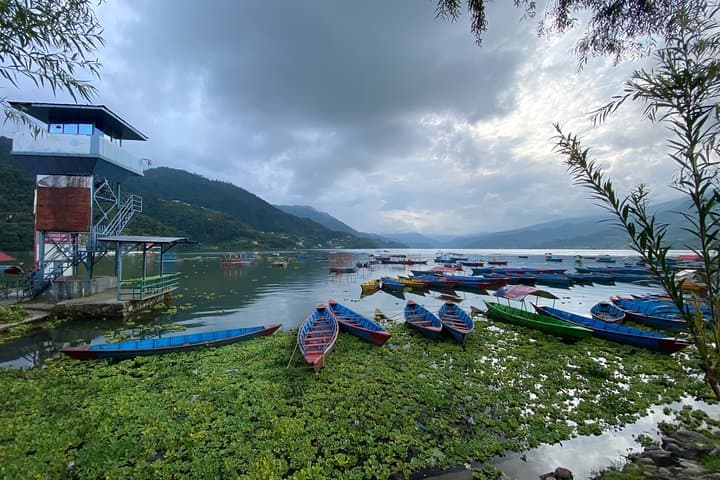


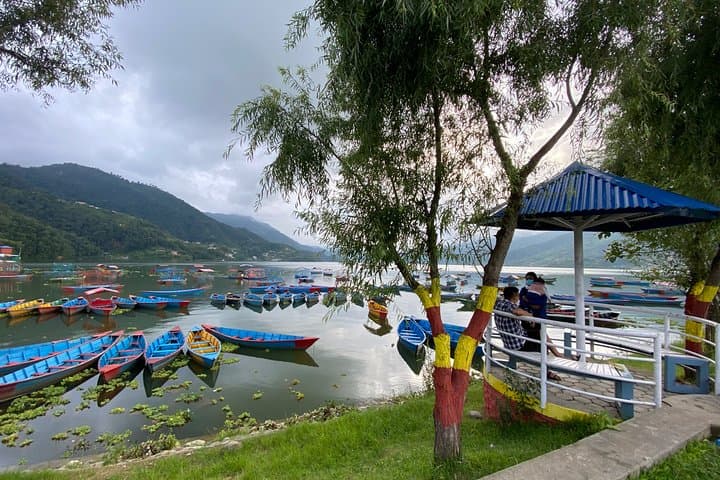
You step off the narrow road and the lake greets you: glassy water fringed by reed beds, the Annapurna massif catching light on its western face, and boats bobbing lazily as if waiting for permission to move.
You step off the narrow road and the lake greets you: glassy water fringed by reed beds, the Annapurna massif catching light on its western face, and boats bobbing lazily as if waiting for permission to move.
This one-hour walk focuses on the north lakeside of Fewa (Phewa) Lake in Pokhara, a shallow tectonic basin fed by small mountain streams. The trail is mostly compacted dirt and paved promenade, weaving past temples, small cafes, and fishermen casting lines. Historically the lake has been central to Pokhara’s trade and religious life; the Barahi Temple on its island has drawn pilgrims for generations, while the surrounding hills once guided traders on mule tracks between valleys.
Geology here is simple but visible: glacially-sculpted peaks back the horizon while softer lake sediments cradle lotus beds and migratory waterfowl. Culturally, the lakeshore is a lived space—morning rituals, boat builders with worn hands, and families sharing tea—giving a clear local rhythm to the stroll.
Practical guidance: allow 50–60 minutes including short photo stops. Start early to avoid afternoon crowds and the sun’s glare on the water. Wear comfortable walking shoes with some tread; parts of the footpath can be uneven after rain. Bring sun protection and a small bottle of water; toilets and cafes are available at intervals but may be basic. If you have more time, rent a rowboat to reach Barahi Temple or extend the walk toward Lakeside market for handicrafts. The route is flat, easy, and accessible to most fitness levels—an efficient slice of Pokhara’s lakeside life.