THE ADVENTURE COLLECTIVE® · Independent discovery and booking for outdoor travel

Fly from Shanghai for a private, full-day guided visit to Xi'an's Terracotta Warriors, the Ming City Wall and the lively Muslim Bazaar. This focused itinerary skips retail stops and prioritizes time at the key cultural sites.
Fly from Shanghai for a private, full-day guided visit to Xi'an's Terracotta Warriors, the Ming City Wall and the lively Muslim Bazaar. This focused itinerary skips retail stops and prioritizes time at the key cultural sites.
You step off an early morning flight into Xi'an and the air has the dry, ancient feel of the Loess Plateau—the land that held these figures for two millennia. A private guide meets you at the airport and, during a short drive, sketches the day's arc: the Terracotta Warriors, a walk on the Ming-era City Wall, and the bustling lanes of the Muslim Bazaar.
Verified experiences and guided adventures in the surrounding area.
Operated by Travel China Guide · Xi'an, Shaanxi
You step off an early morning flight into Xi'an and the air has the dry, ancient feel of the Loess Plateau—the land that held these figures for two millennia. A private guide meets you at the airport and, during a short drive, sketches the day's arc: the Terracotta Warriors, a walk on the Ming-era City Wall, and the bustling lanes of the Muslim Bazaar.
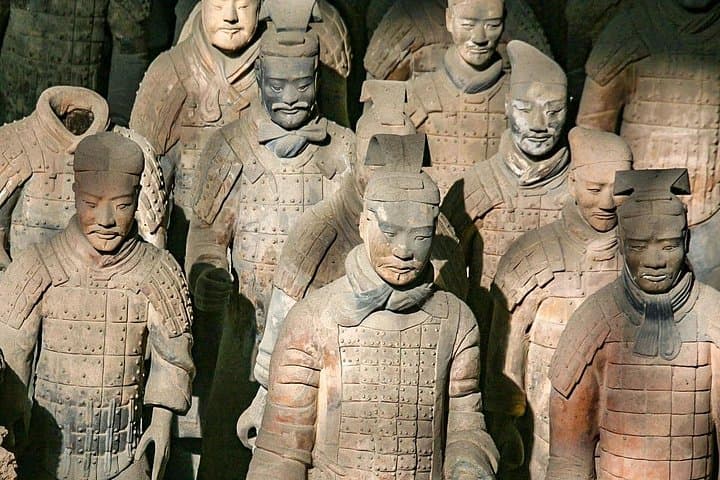
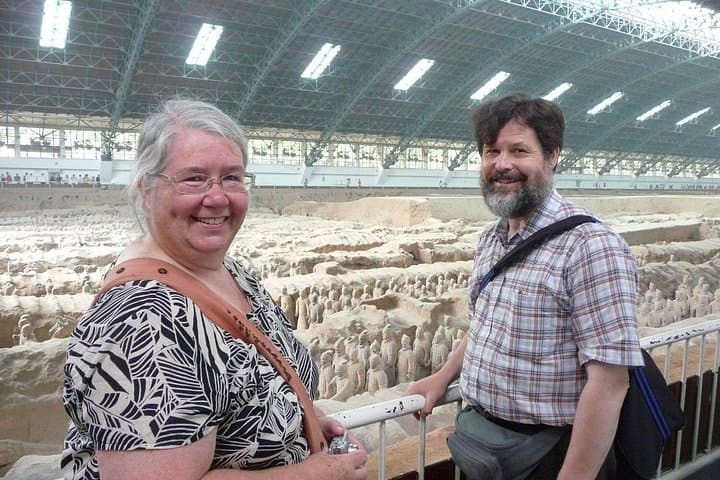
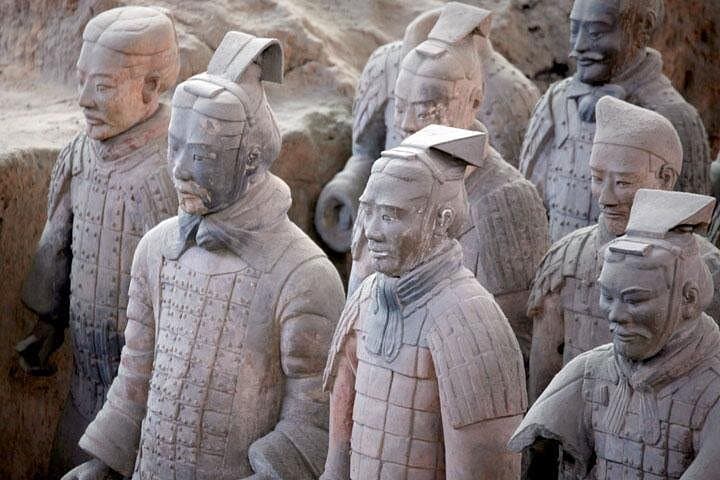
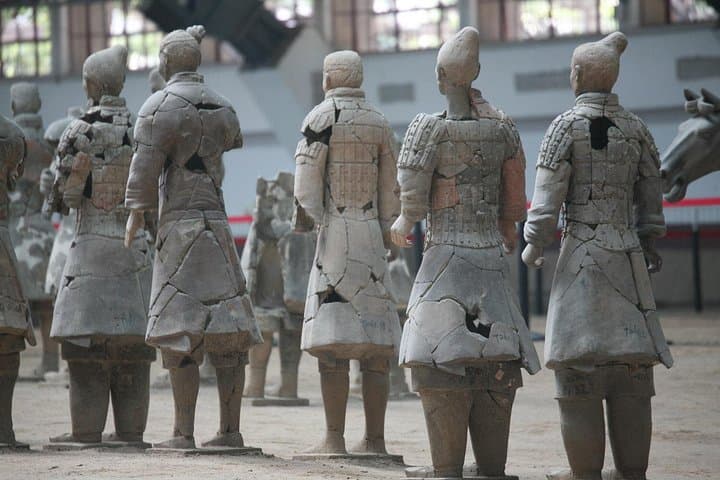
The Terracotta Army was commissioned by Emperor Qin Shi Huang in the late 3rd century BCE to guard his afterlife; the pits reveal rows of life-size infantry, cavalry and chariots emerging from yellow earth. Geologically, this region sits on wind-deposited loess that preserved the sculptures. Later, the Ming dynasty's city wall—more than 600 years old—wraps Xi'an with walkable ramparts that give a literal overview of how the ancient city met the modern one. The Muslim Quarter offers a living cultural counterpoint: food stalls, handcrafts and a street rhythm shaped by centuries of trade on the silk route.
Practical side: expect 8–9 hours on a private itinerary that includes round-trip airport transfers, guide and museum and wall entry fees; lunch is on you. Allow at least 2–2.5 hours at the Terracotta site, an hour or two on the wall and an hour for the bazaar. Wear supportive walking shoes, carry a power bank, bring your passport and small bills for street food. Peak touring windows are morning arrival and late afternoon return; aim for early flights to maximize time on site and to avoid the largest tour-operator crowds.
easy.
8–9 hours.
Suitable for most fitness levels; involves several hours of walking and some stairs on the City Wall.
No—the tour assumes you take an early flight to Xi'an; the tour provides airport pickup, transfers and guide services in Xi'an.
Lunch is not included; your guide can recommend nearby restaurants at the Terracotta site or in downtown Xi'an.
The operator notes wheelchair accessibility for transportation and many surfaces, but some areas at archaeological pits and on the wall have stairs or uneven ground—check in advance for specific needs.
Yes—passport details and passport photos are required at booking and should be carried during travel for verification.
The Terracotta Army was built for Emperor Qin Shi Huang around 210 BCE; Xi'an’s intact Ming-era City Wall dates to the 14th century and outlines the old city grid.
High visitor numbers stress fragile archaeological areas—follow pathways, avoid touching figures, and use designated viewing zones to support preservation.
Travel China Guide operates guided outdoor trips and adventures with an emphasis on safety, stewardship, and memorable experiences.
You step off an early morning flight into Xi'an and the air has the dry, ancient feel of the Loess Plateau—the land that held these figures for two millennia. A private guide meets you at the airport and, during a short drive, sketches the day's arc: the Terracotta Warriors, a walk on the Ming-era City Wall, and the bustling lanes of the Muslim Bazaar.
You step off an early morning flight into Xi'an and the air has the dry, ancient feel of the Loess Plateau—the land that held these figures for two millennia. A private guide meets you at the airport and, during a short drive, sketches the day's arc: the Terracotta Warriors, a walk on the Ming-era City Wall, and the bustling lanes of the Muslim Bazaar.
The Terracotta Army was commissioned by Emperor Qin Shi Huang in the late 3rd century BCE to guard his afterlife; the pits reveal rows of life-size infantry, cavalry and chariots emerging from yellow earth. Geologically, this region sits on wind-deposited loess that preserved the sculptures. Later, the Ming dynasty's city wall—more than 600 years old—wraps Xi'an with walkable ramparts that give a literal overview of how the ancient city met the modern one. The Muslim Quarter offers a living cultural counterpoint: food stalls, handcrafts and a street rhythm shaped by centuries of trade on the silk route.
Practical side: expect 8–9 hours on a private itinerary that includes round-trip airport transfers, guide and museum and wall entry fees; lunch is on you. Allow at least 2–2.5 hours at the Terracotta site, an hour or two on the wall and an hour for the bazaar. Wear supportive walking shoes, carry a power bank, bring your passport and small bills for street food. Peak touring windows are morning arrival and late afternoon return; aim for early flights to maximize time on site and to avoid the largest tour-operator crowds.