THE ADVENTURE COLLECTIVE® · Independent discovery and booking for outdoor travel

Spend a full day in the volcanic Visegrád Hills—soak up the Danube Bend panorama at Prédikálószék and scramble up ladders through Rám Canyon’s waterfalls. This varied, moderate hike combines dramatic viewpoints with canyon climbing and local geology.
Spend a full day in the volcanic Visegrád Hills—soak up the Danube Bend panorama at Prédikálószék and scramble up ladders through Rám Canyon’s waterfalls. This varied, moderate hike combines dramatic viewpoints with canyon climbing and local geology.
Fog lifts off the Danube Bend and the ridge at Prédikálószék comes into focus—sheer limestone cliffs, a sweeping drop to the river, and a panorama that has guided travelers for centuries.
Verified experiences and guided adventures in the surrounding area.
Operated by Gyorgy Kulcsar · Dömös, Pest County
Fog lifts off the Danube Bend and the ridge at Prédikálószék comes into focus—sheer limestone cliffs, a sweeping drop to the river, and a panorama that has guided travelers for centuries.
This one-day route threads through the volcanic Visegrád Hills, where ancient eruptions left basalt outcrops and steep-sided canyons. Hikers follow forested tracks from the riverside village of Dömös up toward Prédikálószék for the headline view, then descend into the Rám-szakadék (Ram Canyon), a narrow gorge cut by water where ladders and fixed rails help negotiate waterfalls and slick rock.
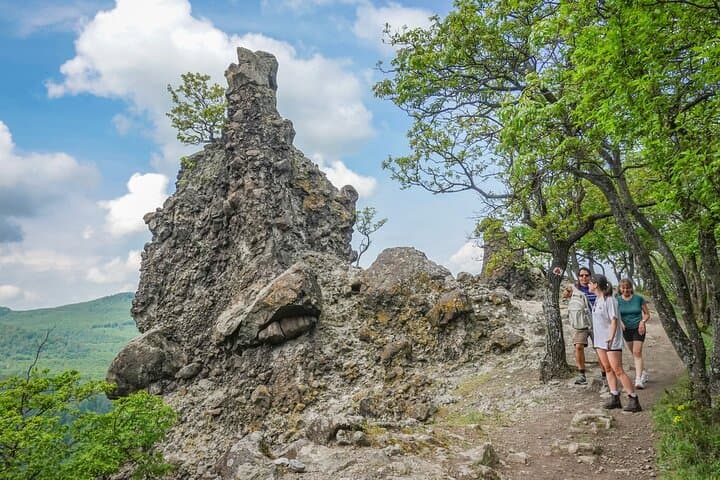
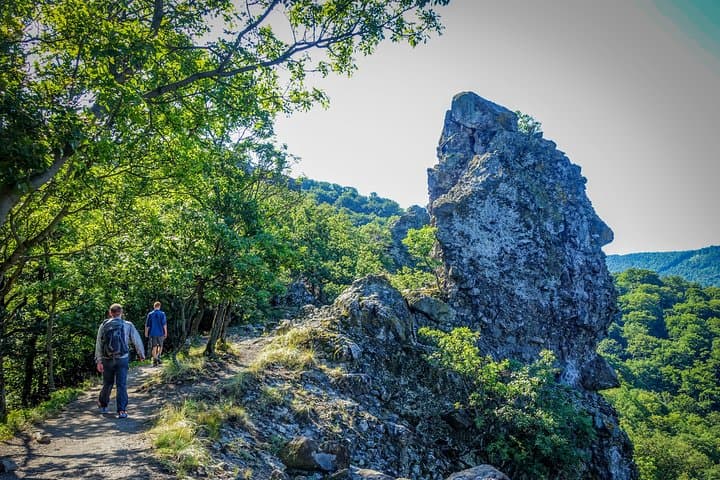
The region is historically layered: the Danube Bend was a medieval trade artery and the nearby Visegrád citadel marks Hungary’s strategic past. Geology is obvious—columnar basalt, eroded limestone ledges and quick transitions from river valley to exposed ridge.
Expect roughly an 8-hour outing with several sustained climbs and rocky, uneven terrain; balance and sure footing are required. The route mixes easy forest paths, short steep scrambles and ladder-assisted sections through the canyon—an active, varied day rather than a mellow walk.
Practical points: start early for the light at Prédikálószék, carry 1.5–2L water, and wear sturdy boots with good grip. Rain makes the canyon slippery; helmets are not provided, so avoid unstable rock and follow guides’ instructions on fixed aids. Pickup in Budapest or a meeting point in Dömös is typical—this is a full, rewarding day for hikers comfortable on uneven ground.
moderate.
8 hours.
Suitable for hikers with regular aerobic activity and experience on uneven, rocky terrain; good balance required for ladder sections.
It typically departs from Budapest with hotel pickup and drop-off; the on-trail meeting point is often the village of Dömös.
They are exposed but short; ladders and fixed rails assist passage—confidence on ladders and good balance are necessary.
Older, fit children (teenagers) experienced on trails can manage with supervision; younger children are not recommended due to ladders and scrambling.
Follow the guide’s instructions—trail sections and the canyon become slippery in rain and guides may reroute or cancel if unsafe.
The Danube Bend corridor served as a medieval trade and defensive zone; Visegrád’s castle controlled river routes and left visible ruins on the hills.
Stay on marked trails to protect fragile alpine flora and avoid disturbance in the canyon; carry out all waste and respect seasonal trail restrictions.
Gyorgy Kulcsar operates guided outdoor trips and adventures with an emphasis on safety, stewardship, and memorable experiences.
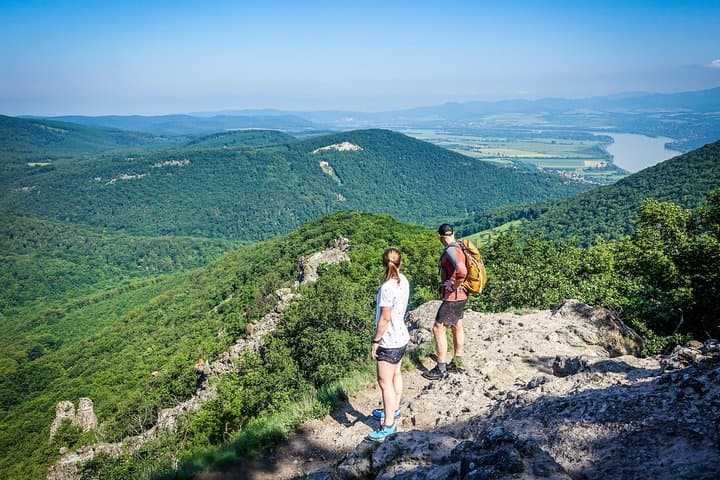
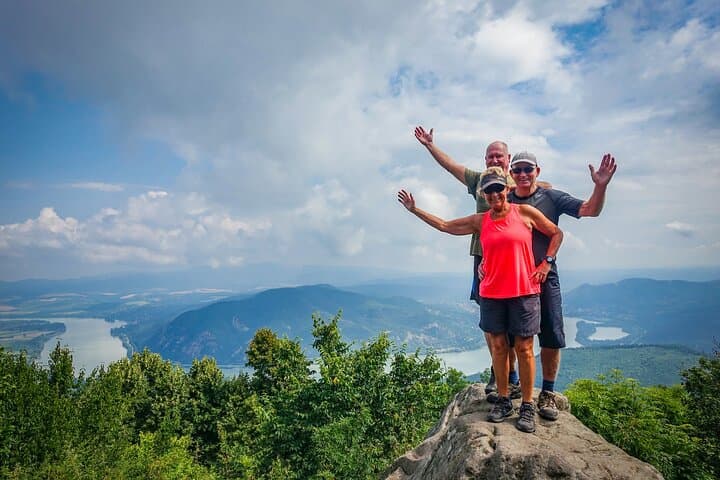
Fog lifts off the Danube Bend and the ridge at Prédikálószék comes into focus—sheer limestone cliffs, a sweeping drop to the river, and a panorama that has guided travelers for centuries.
Fog lifts off the Danube Bend and the ridge at Prédikálószék comes into focus—sheer limestone cliffs, a sweeping drop to the river, and a panorama that has guided travelers for centuries.
This one-day route threads through the volcanic Visegrád Hills, where ancient eruptions left basalt outcrops and steep-sided canyons. Hikers follow forested tracks from the riverside village of Dömös up toward Prédikálószék for the headline view, then descend into the Rám-szakadék (Ram Canyon), a narrow gorge cut by water where ladders and fixed rails help negotiate waterfalls and slick rock.
The region is historically layered: the Danube Bend was a medieval trade artery and the nearby Visegrád citadel marks Hungary’s strategic past. Geology is obvious—columnar basalt, eroded limestone ledges and quick transitions from river valley to exposed ridge.
Expect roughly an 8-hour outing with several sustained climbs and rocky, uneven terrain; balance and sure footing are required. The route mixes easy forest paths, short steep scrambles and ladder-assisted sections through the canyon—an active, varied day rather than a mellow walk.
Practical points: start early for the light at Prédikálószék, carry 1.5–2L water, and wear sturdy boots with good grip. Rain makes the canyon slippery; helmets are not provided, so avoid unstable rock and follow guides’ instructions on fixed aids. Pickup in Budapest or a meeting point in Dömös is typical—this is a full, rewarding day for hikers comfortable on uneven ground.