THE ADVENTURE COLLECTIVE® · Independent discovery and booking for outdoor travel

A full‑day adventure that pairs a scenic three‑hour drive from Kathmandu with 2–3 hours of Class III–IV rafting on the Trishuli River. Ideal for travelers wanting a high‑adrenaline trip without an overnight commitment.
A full‑day adventure that pairs a scenic three‑hour drive from Kathmandu with 2–3 hours of Class III–IV rafting on the Trishuli River. Ideal for travelers wanting a high‑adrenaline trip without an overnight commitment.
The Trishuli cuts a quick, urgent line through the hills west of Kathmandu; on a clear morning its surface flashes and dares you forward. After a scenic 3‑hour drive from the city, rafters unload at Beni Ghat, trade asphalt for river rock, and move through a crisp safety briefing as guides fit helmets and PFDs.
Verified experiences and guided adventures in the surrounding area.
Operated by Holyland Adventure Tours and Travels · Beni Ghat, Bagmati Province
The Trishuli cuts a quick, urgent line through the hills west of Kathmandu; on a clear morning its surface flashes and dares you forward. After a scenic 3‑hour drive from the city, rafters unload at Beni Ghat, trade asphalt for river rock, and move through a crisp safety briefing as guides fit helmets and PFDs.
This stretch of the Trishuli is shaped by uplifted Siwalik foothills feeding coarse gravel into a braided channel. The river alternates between pillow‑like Class III waves and short Class IV drops where constricted gorges speed the flow. The valley has long been a corridor for trade and movement between Kathmandu and western Nepal; settlements along the banks reflect a mix of Newar and hill‑community culture, with terraced fields stepping toward the ridgelines.
Expect three hours of wet, adrenaline‑colored paddling that mixes committed rapids with calmer runs where guides point out stranded boulders and a heron perched like a lookout. Photography windows are brief — keep cameras waterproofed or tethered.
Practical guidance: arrive hydrated and rested; the drive is part of the day, so pack a dry bag for spare clothes and a towel. Guides provide helmets, life jackets, and safety kayaks; basic swimming ability speeds recovery after a swim. Timing matters — monsoon highs (June–September) increase difficulty and should only be attempted with experienced operators. For travelers short on time, this one‑day format delivers concentrated whitewater and a return to Kathmandu by evening.
moderate.
6–10 hours.
Moderate cardiovascular fitness and comfort in moving water; ability to follow guide commands and swim recommended.
Expect about 2–3 hours on the water navigating Class III–IV rapids, embedded in a full‑day (6–10 hour) itinerary including drives and briefings.
No — guides lead every run and safety kayaks support challenging sections, but basic swimming ability and moderate fitness are recommended.
Post‑monsoon spring and autumn offer lower, clearer water and stable weather; monsoon season raises difficulty and risk.
Yes — licensed guides supply helmets, life jackets, and safety kayaks; most tours include breakfast, lunch, and transport to/from Kathmandu.
The Trishuli corridor has long linked Kathmandu with western Nepal; river trade and route‑finding through the Siwalik foothills shaped local settlements and transport routes.
River corridors are sensitive to litter and single‑use plastics; choose operators who follow leave‑no‑trace practices and avoid disturbing banks during nesting seasons.
Holyland Adventure Tours and Travels operates guided outdoor trips and adventures with an emphasis on safety, stewardship, and memorable experiences.
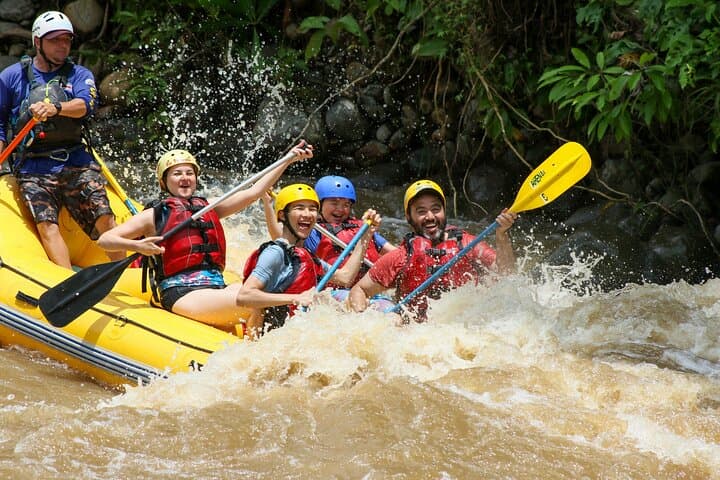
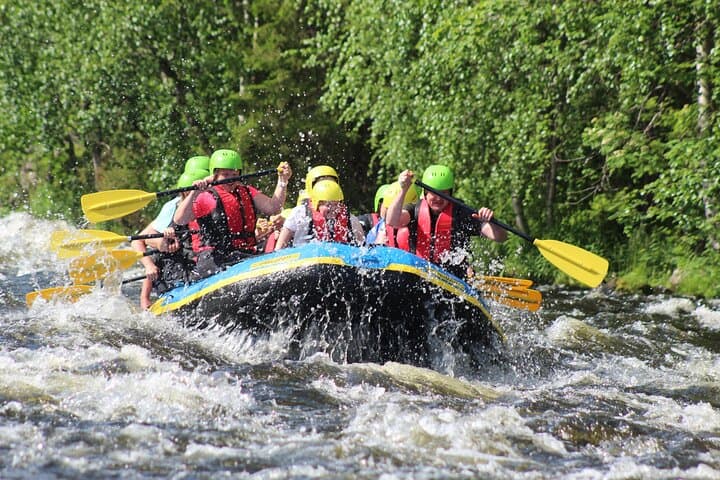
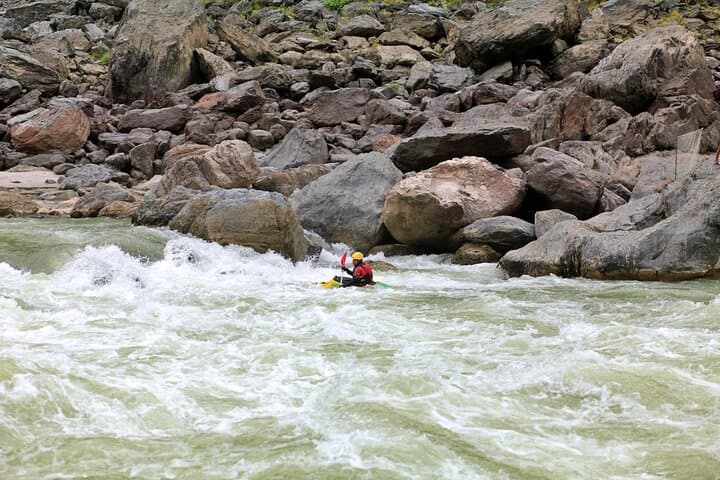
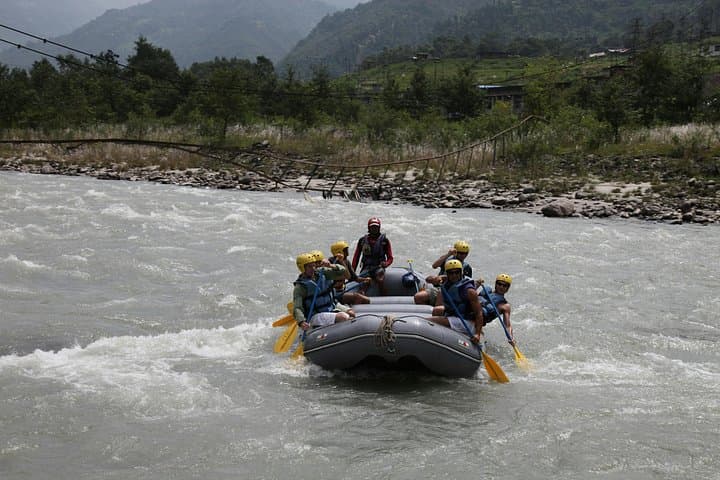
The Trishuli cuts a quick, urgent line through the hills west of Kathmandu; on a clear morning its surface flashes and dares you forward. After a scenic 3‑hour drive from the city, rafters unload at Beni Ghat, trade asphalt for river rock, and move through a crisp safety briefing as guides fit helmets and PFDs.
The Trishuli cuts a quick, urgent line through the hills west of Kathmandu; on a clear morning its surface flashes and dares you forward. After a scenic 3‑hour drive from the city, rafters unload at Beni Ghat, trade asphalt for river rock, and move through a crisp safety briefing as guides fit helmets and PFDs.
This stretch of the Trishuli is shaped by uplifted Siwalik foothills feeding coarse gravel into a braided channel. The river alternates between pillow‑like Class III waves and short Class IV drops where constricted gorges speed the flow. The valley has long been a corridor for trade and movement between Kathmandu and western Nepal; settlements along the banks reflect a mix of Newar and hill‑community culture, with terraced fields stepping toward the ridgelines.
Expect three hours of wet, adrenaline‑colored paddling that mixes committed rapids with calmer runs where guides point out stranded boulders and a heron perched like a lookout. Photography windows are brief — keep cameras waterproofed or tethered.
Practical guidance: arrive hydrated and rested; the drive is part of the day, so pack a dry bag for spare clothes and a towel. Guides provide helmets, life jackets, and safety kayaks; basic swimming ability speeds recovery after a swim. Timing matters — monsoon highs (June–September) increase difficulty and should only be attempted with experienced operators. For travelers short on time, this one‑day format delivers concentrated whitewater and a return to Kathmandu by evening.