THE ADVENTURE COLLECTIVE® · Independent discovery and booking for outdoor travel

Reach an off‑the‑beaten‑path Inca fortress at 4,300 m on a guided full‑day trek from Cusco. Expect exposed ridgelines, finely cut terraces, and expansive views over the Apurímac valley.
Reach an off‑the‑beaten‑path Inca fortress at 4,300 m on a guided full‑day trek from Cusco. Expect exposed ridgelines, finely cut terraces, and expansive views over the Apurímac valley.
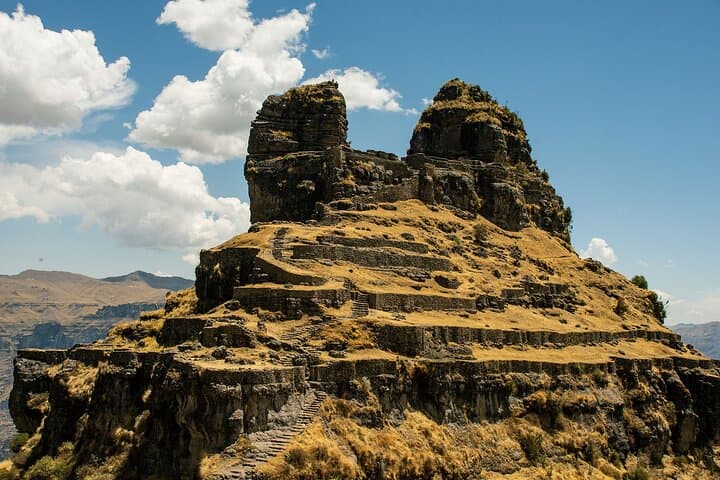
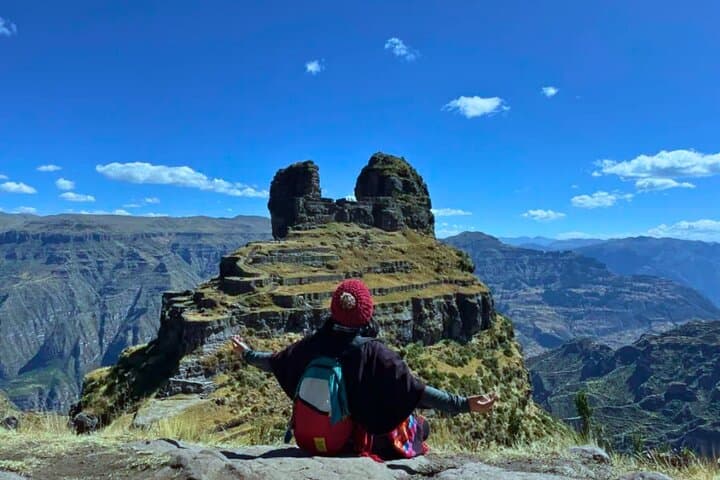
A thin early light over the high puna frames the road out of Cusco, and by the time the van stops at Qente Cocha you stand at 4,400 m with wind and wide sky pushing the pace. The trail climbs across rocky ridgelines and stepped Inca terraces, each turn opening a new angle on the Apurímac valley and the two horn‑shaped peaks that give Waqrapukara its name.
Verified experiences and guided adventures in the surrounding area.
Operated by Inca Path Tour Operator · Cusco, Cusco Region
A thin early light over the high puna frames the road out of Cusco, and by the time the van stops at Qente Cocha you stand at 4,400 m with wind and wide sky pushing the pace. The trail climbs across rocky ridgelines and stepped Inca terraces, each turn opening a new angle on the Apurímac valley and the two horn‑shaped peaks that give Waqrapukara its name.
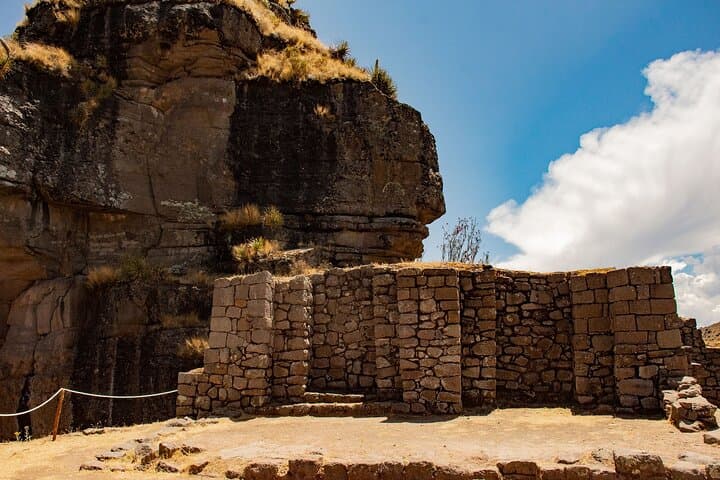
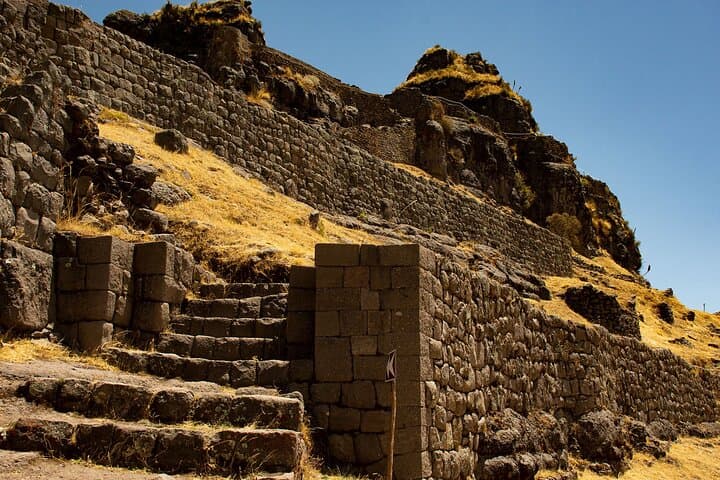
Waqrapukara — “Horned Fortress” in Quechua — is both a defensive complex and a ceremonial site. Built with finely fitted masonry and broad agricultural terraces, it overlooks deep river canyons carved by Andean geology over millions of years. Local communities still graze llamas and tend highland puna grasses; Quechua cultural patterns persist in place names, ritual offerings, and guardian stones.
On a guided day trek visitors typically spend 2–3 hours ascending from Qente Cocha, 2–3 hours exploring the stone stairways and terraces at 4,300 m, then return to Waqui for pickup. Expect thin air, strong sun, and cold gusts; the landscape is open and exposed with short, steep sections and uneven stone steps. Photography, quiet reflection, and short talks from a professional guide about construction techniques and ritual use make the visit special.
Practical guidance: acclimatize in Cusco for at least 24–48 hours, carry 2–3 liters of water, dress in breathable layers, and bring sunscreen and a windproof shell. The tour includes breakfast, lunch, a private guide, and round‑trip transport, making a remote archaeological visit feasible as a long, full‑day outing.
moderate.
10–12 hours.
Good aerobic fitness and prior hiking experience at altitude; comfortable walking for several hours with short steep sections.
The route is moderate in technical difficulty but strenuous at altitude; expect steep sections and uneven stone stairways—good fitness and acclimatization are advised.
Local site access may have a small fee or permit managed by regional authorities; the tour often handles logistics but confirm with the operator before travel.
This tour is not recommended for pregnant travelers or people with serious spinal or cardiovascular conditions due to steep terrain and high elevation.
You’ll reach around 4,300–4,400 m; prevent altitude sickness by acclimatizing in Cusco, staying hydrated, eating light, and ascending slowly—seek medical help if symptoms worsen.
Constructed by the Inca on a rocky spur, Waqrapukara combines defensive walls and ceremonial terraces and may have been linked to worship of Wiraqocha and control of the Apurímac corridor.
The high‑Andean puna is fragile—stay on trails, avoid disturbing grazing areas, and pack out all waste to protect native grasses and archaeological features.
Inca Path Tour Operator operates guided outdoor trips and adventures with an emphasis on safety, stewardship, and memorable experiences.
A thin early light over the high puna frames the road out of Cusco, and by the time the van stops at Qente Cocha you stand at 4,400 m with wind and wide sky pushing the pace. The trail climbs across rocky ridgelines and stepped Inca terraces, each turn opening a new angle on the Apurímac valley and the two horn‑shaped peaks that give Waqrapukara its name.
A thin early light over the high puna frames the road out of Cusco, and by the time the van stops at Qente Cocha you stand at 4,400 m with wind and wide sky pushing the pace. The trail climbs across rocky ridgelines and stepped Inca terraces, each turn opening a new angle on the Apurímac valley and the two horn‑shaped peaks that give Waqrapukara its name.
Waqrapukara — “Horned Fortress” in Quechua — is both a defensive complex and a ceremonial site. Built with finely fitted masonry and broad agricultural terraces, it overlooks deep river canyons carved by Andean geology over millions of years. Local communities still graze llamas and tend highland puna grasses; Quechua cultural patterns persist in place names, ritual offerings, and guardian stones.
On a guided day trek visitors typically spend 2–3 hours ascending from Qente Cocha, 2–3 hours exploring the stone stairways and terraces at 4,300 m, then return to Waqui for pickup. Expect thin air, strong sun, and cold gusts; the landscape is open and exposed with short, steep sections and uneven stone steps. Photography, quiet reflection, and short talks from a professional guide about construction techniques and ritual use make the visit special.
Practical guidance: acclimatize in Cusco for at least 24–48 hours, carry 2–3 liters of water, dress in breathable layers, and bring sunscreen and a windproof shell. The tour includes breakfast, lunch, a private guide, and round‑trip transport, making a remote archaeological visit feasible as a long, full‑day outing.