THE ADVENTURE COLLECTIVE® · Independent discovery and booking for outdoor travel

Shortcut to one of Lombok’s most dramatic viewpoints: a strenuous day-trek from Senaru to the Rinjani crater rim. Expect steep climbs, volcanic scree, expert guiding, and panoramic caldera views—all in a long, rewarding day.
Shortcut to one of Lombok’s most dramatic viewpoints: a strenuous day-trek from Senaru to the Rinjani crater rim. Expect steep climbs, volcanic scree, expert guiding, and panoramic caldera views—all in a long, rewarding day.
The morning opens cold and sharp as you leave Senaru village, headlamp halos fading as the trail climbs into thin, volcanic air.
Verified experiences and guided adventures in the surrounding area.
Operated by Jou Trekking · Senaru, West Nusa Tenggara
The morning opens cold and sharp as you leave Senaru village, headlamp halos fading as the trail climbs into thin, volcanic air.
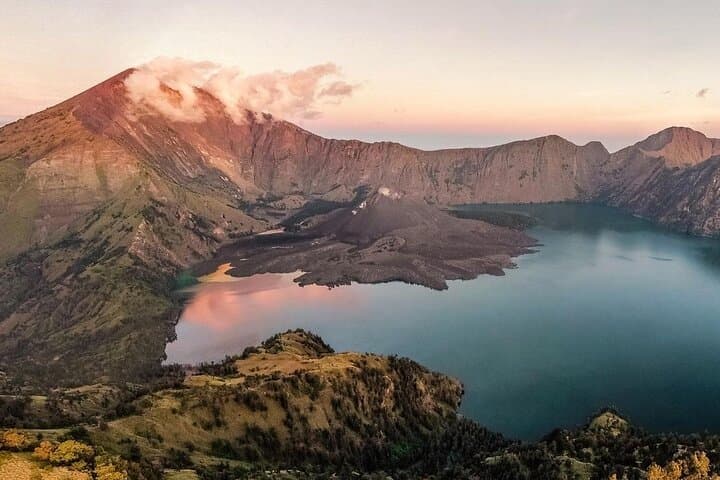
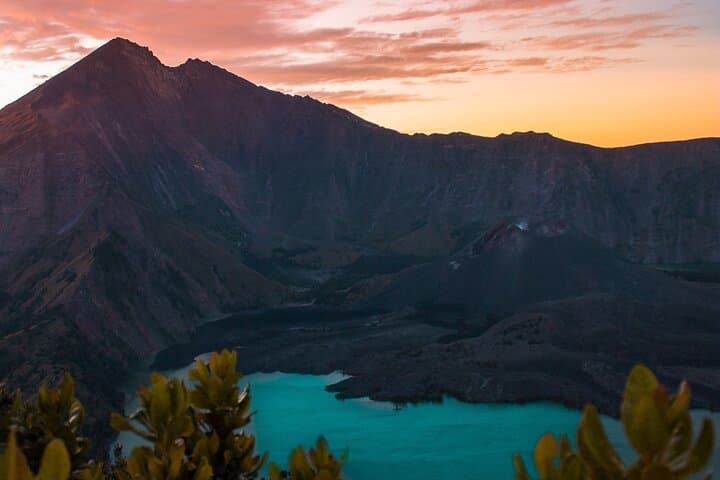
You move through moss-dark forest, then sudden open slopes where the volcano’s profile leans into the sky. Mount Rinjani (3,726 m), Indonesia’s second-highest volcano, dominates the view; its caldera and inner lake—Segara Anak—are the geological heart of the massif. The route to the Senaru crater rim is steep and direct: expect sustained uphill sections, loose volcanic scree, and switchbacks that test breathing and balance.
This one-day program condenses a classic multi-day approach into an intense out-and-back—guides typically start around 7:00 AM, reach the rim in roughly six hours, pause for a mountain-prepared lunch, then descend the same day. The trail threads Sasak highland history and ritual: Rinjani is a sacred place for local communities, and cairns or offerings sometimes mark resting points.
Practicalities matter here. Be ready for rapid weather changes—sun, wind, rain and cooler summit temperatures—and plan for 10–12 hours total door-to-door with pickups and returns to Senaru. Hydration, steady pacing, and layered clothing determine whether this day becomes an invigorating summit glimpse or a slog.
The trek rewards effort with sweeping crater views and the electric sight of the caldera lake below; the landscape feels alive, the wind pushing you forward. Travel with an experienced guide, carry basic first aid, and honor local rules to protect fragile alpine vegetation on the volcano’s slopes.
challenging.
10–12 hours.
High level of cardiovascular fitness and prior mountain-trekking experience; comfortable with sustained uphill and technical footing.
Guides normally reach the Senaru crater rim in about six hours of uphill hiking; the full program including transfers and descent typically runs 10–12 hours.
Yes—this program is designed for experienced trekkers with good fitness and prior mountain hikes; it’s not suitable for beginners or those with cardiovascular issues.
Local guides are included in the package and are required for safety and to respect local regulations; permits are handled by the operator as part of the tour.
The dry season (roughly May–October) offers more stable trails and clearer views; the wet season brings slippery conditions and limited visibility.
Rinjani is an active volcanic complex central to Sasak culture; the caldera lake and surrounding peaks are used in traditional ceremonies.
Stay on established trails to prevent erosion, pack out waste, and hire local guides to support sustainable tourism and community livelihoods.
Jou Trekking operates guided outdoor trips and adventures with an emphasis on safety, stewardship, and memorable experiences.
The morning opens cold and sharp as you leave Senaru village, headlamp halos fading as the trail climbs into thin, volcanic air.
The morning opens cold and sharp as you leave Senaru village, headlamp halos fading as the trail climbs into thin, volcanic air.
You move through moss-dark forest, then sudden open slopes where the volcano’s profile leans into the sky. Mount Rinjani (3,726 m), Indonesia’s second-highest volcano, dominates the view; its caldera and inner lake—Segara Anak—are the geological heart of the massif. The route to the Senaru crater rim is steep and direct: expect sustained uphill sections, loose volcanic scree, and switchbacks that test breathing and balance.
This one-day program condenses a classic multi-day approach into an intense out-and-back—guides typically start around 7:00 AM, reach the rim in roughly six hours, pause for a mountain-prepared lunch, then descend the same day. The trail threads Sasak highland history and ritual: Rinjani is a sacred place for local communities, and cairns or offerings sometimes mark resting points.
Practicalities matter here. Be ready for rapid weather changes—sun, wind, rain and cooler summit temperatures—and plan for 10–12 hours total door-to-door with pickups and returns to Senaru. Hydration, steady pacing, and layered clothing determine whether this day becomes an invigorating summit glimpse or a slog.
The trek rewards effort with sweeping crater views and the electric sight of the caldera lake below; the landscape feels alive, the wind pushing you forward. Travel with an experienced guide, carry basic first aid, and honor local rules to protect fragile alpine vegetation on the volcano’s slopes.