THE ADVENTURE COLLECTIVE® · Independent discovery and booking for outdoor travel

Sail from Sierpe to Sirena Station and hike into one of the planet’s most biodiverse rainforests. This full-day guided trip combines ocean transit, guided wildlife spotting, and a ranger-area lunch in Corcovado National Park.
Sail from Sierpe to Sirena Station and hike into one of the planet’s most biodiverse rainforests. This full-day guided trip combines ocean transit, guided wildlife spotting, and a ranger-area lunch in Corcovado National Park.
The day begins before dawn at the river mouth in Sierpe, where the boat's engine cuts through a silvered sea and the forest on the Osa Peninsula grows taller as you approach Sirena Station. Thick green walls lean over the trail and the air, warm and humid, holds the call of macaws and the distant click of howler monkeys. The ocean gives way to a wetland of mangroves that seem to guide you inland—then the rainforest takes command.
Verified experiences and guided adventures in the surrounding area.
Operated by Agencia de Viajes Costa Rica te Enamora · Sierpe, Puntarenas
The day begins before dawn at the river mouth in Sierpe, where the boat's engine cuts through a silvered sea and the forest on the Osa Peninsula grows taller as you approach Sirena Station. Thick green walls lean over the trail and the air, warm and humid, holds the call of macaws and the distant click of howler monkeys. The ocean gives way to a wetland of mangroves that seem to guide you inland—then the rainforest takes command.
Corcovado National Park, created in 1975, protects some of Costa Rica’s oldest lowland rainforest, carved from volcanic uplifts and heavy Pacific weather. The park’s geology is a patchwork of low ridges, steep creek valleys and rocky headlands—terrain that concentrates biodiversity and creates the conditions for rare species to thrive. Local villages around Sierpe and nearby Puerto Jiménez maintain deep ties to the land; guides often share generational knowledge of trails and tide patterns.
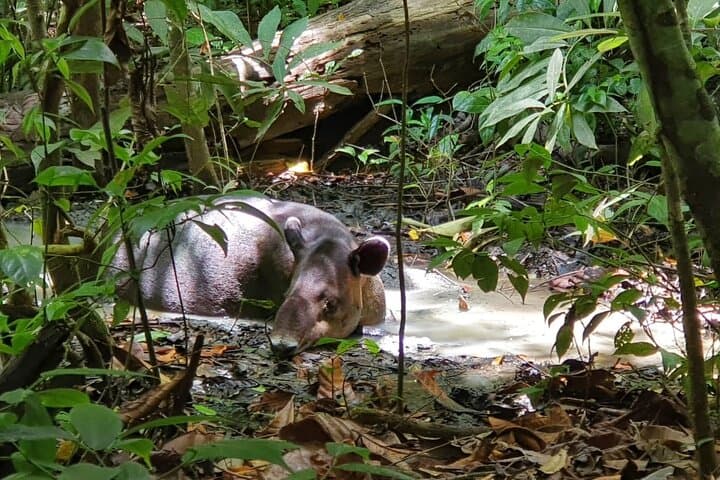
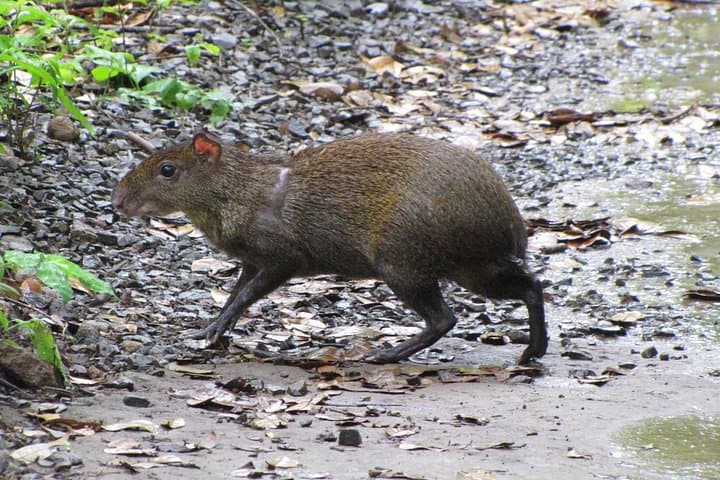
On a one-day Sirena trip expect a guided 2–4 hour hike on muddy, rooty trails where the forest will demand steady footing and quiet observation. Wildlife is the reward—scarlet macaws wheel over clearings, agoutis dart through leaf litter, and if luck favors you, tapir tracks mark side trails. Lunch is typically a hearty plate served at a ranger area before the return boat ride.
Practical tips: start early to catch wildlife activity and calmer seas, wear grippy boots and a breathable rain layer, carry 2–3 liters of water, and follow your guide’s instructions on distance from animals. Park access is regulated—stick to trails, pack out waste, and be prepared for sudden tropical showers.
moderate.
6–8 hours.
Moderate fitness—comfortable with sustained walking over uneven, sometimes steep terrain and short boat transfers
Most travelers reach Sierpe by road from Puerto Jiménez or by private transfer; arrival the night before is common to ensure an early departure.
This tour typically includes entrance fees and a lunch inside the park—confirm at booking and inform guides of dietary needs.
Not recommended for pregnant travelers; children may participate but should be steady on uneven terrain—check age policies with the operator.
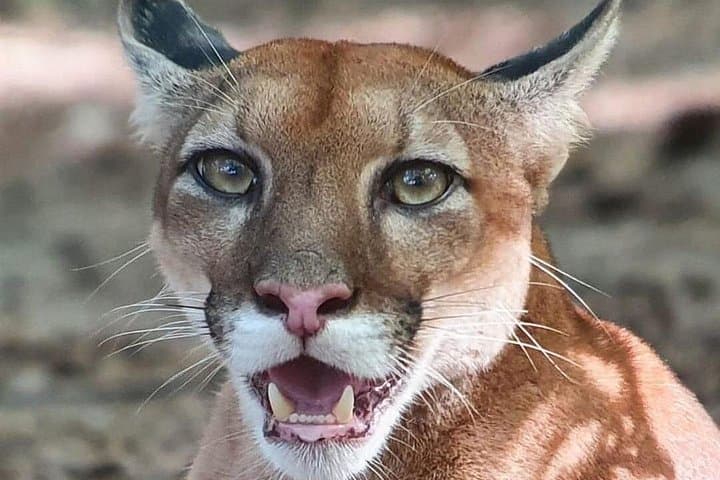
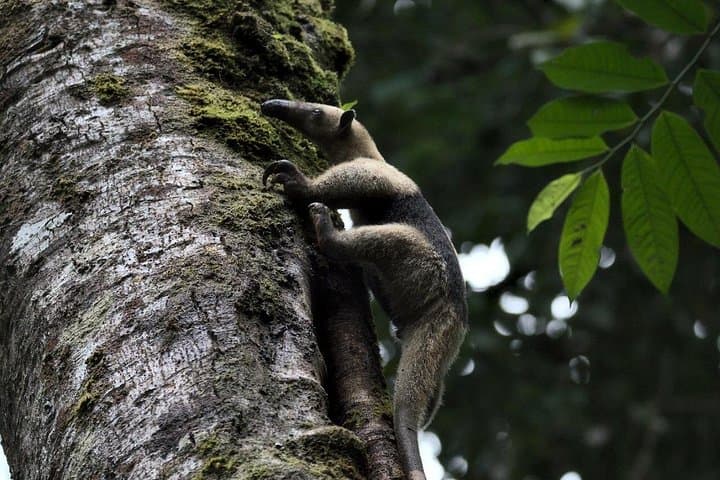
Common sightings include scarlet macaws, howler monkeys, coatis, and tapir signs; large predators are rare and sightings are uncommon.
Corcovado was established in 1975 to protect lowland Pacific rainforest and has since become central to conservation efforts on the Osa Peninsula.
Visitor numbers are managed and trail access is regulated to reduce impact—pack out all waste, stay on trails, and follow guide directions to protect habitat.
Agencia de Viajes Costa Rica te Enamora operates guided outdoor trips and adventures with an emphasis on safety, stewardship, and memorable experiences.
The day begins before dawn at the river mouth in Sierpe, where the boat's engine cuts through a silvered sea and the forest on the Osa Peninsula grows taller as you approach Sirena Station. Thick green walls lean over the trail and the air, warm and humid, holds the call of macaws and the distant click of howler monkeys. The ocean gives way to a wetland of mangroves that seem to guide you inland—then the rainforest takes command.
The day begins before dawn at the river mouth in Sierpe, where the boat's engine cuts through a silvered sea and the forest on the Osa Peninsula grows taller as you approach Sirena Station. Thick green walls lean over the trail and the air, warm and humid, holds the call of macaws and the distant click of howler monkeys. The ocean gives way to a wetland of mangroves that seem to guide you inland—then the rainforest takes command.
Corcovado National Park, created in 1975, protects some of Costa Rica’s oldest lowland rainforest, carved from volcanic uplifts and heavy Pacific weather. The park’s geology is a patchwork of low ridges, steep creek valleys and rocky headlands—terrain that concentrates biodiversity and creates the conditions for rare species to thrive. Local villages around Sierpe and nearby Puerto Jiménez maintain deep ties to the land; guides often share generational knowledge of trails and tide patterns.
On a one-day Sirena trip expect a guided 2–4 hour hike on muddy, rooty trails where the forest will demand steady footing and quiet observation. Wildlife is the reward—scarlet macaws wheel over clearings, agoutis dart through leaf litter, and if luck favors you, tapir tracks mark side trails. Lunch is typically a hearty plate served at a ranger area before the return boat ride.
Practical tips: start early to catch wildlife activity and calmer seas, wear grippy boots and a breathable rain layer, carry 2–3 liters of water, and follow your guide’s instructions on distance from animals. Park access is regulated—stick to trails, pack out waste, and be prepared for sudden tropical showers.