THE ADVENTURE COLLECTIVE® · Independent discovery and booking for outdoor travel

Spend a long day crossing a border to explore Skopje’s layered history—Ottoman lanes, Yugoslav storytelling, and the controversial "Skopje 2014" monuments—on a small-group tour from Sofia. Expect a four-hour drive, guided city walk, and free time in the Old Bazaar.
Spend a long day crossing a border to explore Skopje’s layered history—Ottoman lanes, Yugoslav storytelling, and the controversial "Skopje 2014" monuments—on a small-group tour from Sofia. Expect a four-hour drive, guided city walk, and free time in the Old Bazaar.
You arrive before noon after a steady four-hour drive from Sofia; the Vardar River widens ahead and the city unfolds with a mix of exposed stone and recent marble facades. The guide leads the group across the Stone Bridge and the noise of traffic gives way to calloused paving, market chatter and the smell of grilled meat from the Old Bazaar.
Verified experiences and guided adventures in the surrounding area.
Operated by BulTrips · Skopje, Skopje Region
You arrive before noon after a steady four-hour drive from Sofia; the Vardar River widens ahead and the city unfolds with a mix of exposed stone and recent marble facades. The guide leads the group across the Stone Bridge and the noise of traffic gives way to calloused paving, market chatter and the smell of grilled meat from the Old Bazaar.
Skopje sits where the Balkan plain meets rougher, limestone hills. Its layers of history—Roman roads beneath Ottoman caravanserais, Yugoslav-era housing slabs opposite neo-classical monuments from the "Skopje 2014" project—are legible in every square. The Old Bazaar still carries the rhythm of centuries of trade; Kale Fortress watches from a limestone promontory where you get a compact panorama of the city spread along the river.
Culturally, the city is a crossroads: mosques from the 15th century, Orthodox churches, and modern memorials including the Mother Teresa House mark shifting identities. Geologically, the region is folded and karstic, producing nearby canyon landscapes and steep ridgelines visible from the fortress.
Practical guidance: this is a long day—expect roughly 12 hours door-to-door with about two hours of guided walking in the center plus short stops. Bring your passport for the border crossing, wear supportive walking shoes for cobbled streets, and pack layers—the river valley can be cool in morning and hot after lunch. Use free time in the Old Bazaar to taste local dishes like tavche gravche, and keep cash for small vendors. If you want a quieter view, climb to the fortress before dusk when the light softens and the city’s contrasts are most visible.
moderate.
10–12 hours.
Moderate fitness to handle a long day of travel, short hikes up to viewpoints and a couple hours of walking on uneven surfaces.
Visa requirements depend on your nationality—check with your embassy before booking and bring your passport, as border checks are standard.
Lunch is not included; the itinerary includes about two hours of free time in the Old Bazaar to choose a local restaurant or street food.
Expect roughly two hours of guided walking around central Skopje plus short walks at points of interest like the fortress and bazaars; terrain includes cobbles and steps.
Pick-up is from centrally located hotels or accommodations in Sofia—confirm your pickup point when booking and allow time to meet the vehicle at 08:00 departure.
Skopje’s present form reflects Ottoman trade prominence, a major earthquake in 1963 and extensive post-independence reshaping under the "Skopje 2014" project that added many neo-classical monuments.
Cross-border day trips increase per-capita transport emissions—consider offsetting or combining activities to reduce travel. In the Old Bazaar, support local businesses and avoid single-use plastics to reduce tourist impact.
BulTrips operates guided outdoor trips and adventures with an emphasis on safety, stewardship, and memorable experiences.
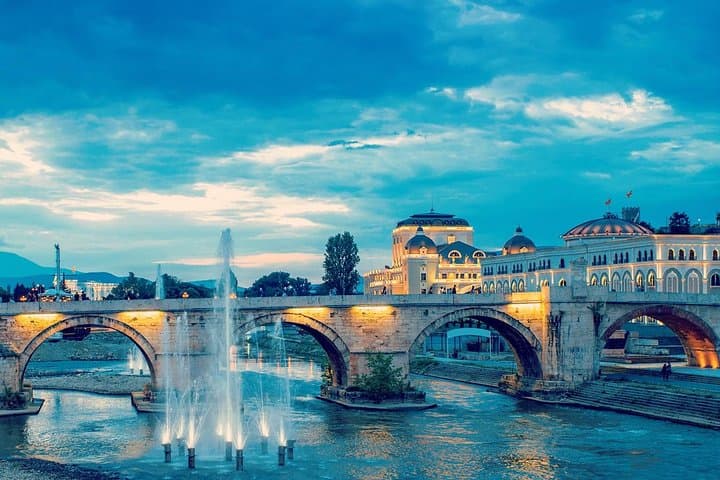
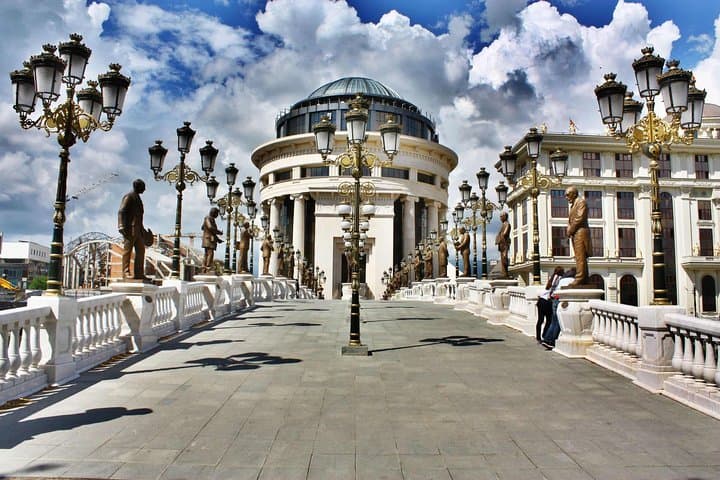
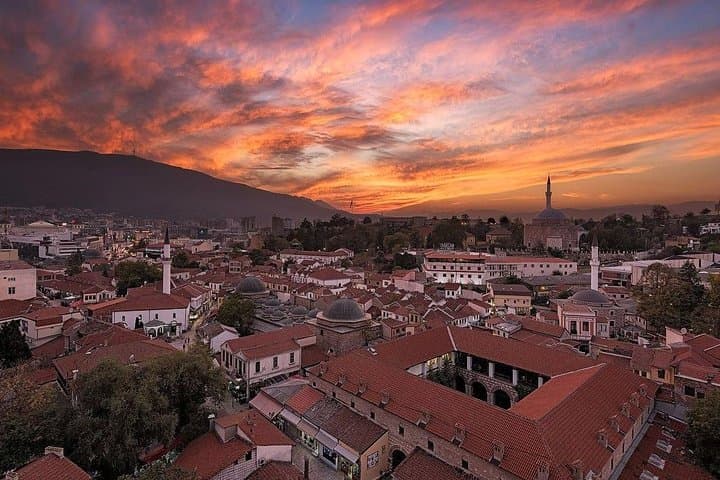
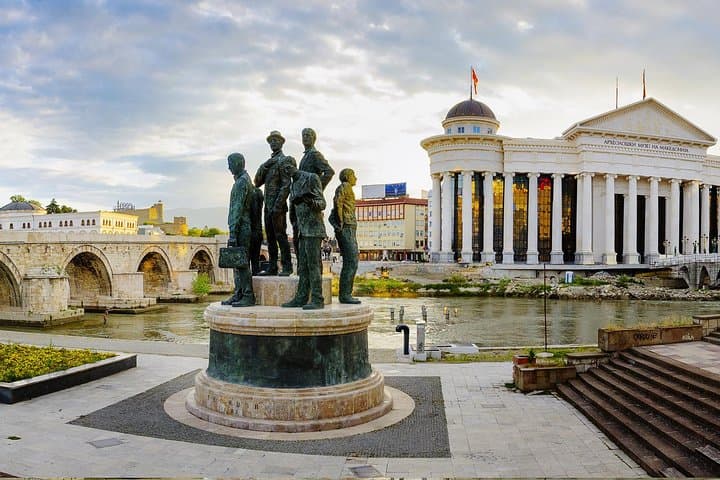
You arrive before noon after a steady four-hour drive from Sofia; the Vardar River widens ahead and the city unfolds with a mix of exposed stone and recent marble facades. The guide leads the group across the Stone Bridge and the noise of traffic gives way to calloused paving, market chatter and the smell of grilled meat from the Old Bazaar.
You arrive before noon after a steady four-hour drive from Sofia; the Vardar River widens ahead and the city unfolds with a mix of exposed stone and recent marble facades. The guide leads the group across the Stone Bridge and the noise of traffic gives way to calloused paving, market chatter and the smell of grilled meat from the Old Bazaar.
Skopje sits where the Balkan plain meets rougher, limestone hills. Its layers of history—Roman roads beneath Ottoman caravanserais, Yugoslav-era housing slabs opposite neo-classical monuments from the "Skopje 2014" project—are legible in every square. The Old Bazaar still carries the rhythm of centuries of trade; Kale Fortress watches from a limestone promontory where you get a compact panorama of the city spread along the river.
Culturally, the city is a crossroads: mosques from the 15th century, Orthodox churches, and modern memorials including the Mother Teresa House mark shifting identities. Geologically, the region is folded and karstic, producing nearby canyon landscapes and steep ridgelines visible from the fortress.
Practical guidance: this is a long day—expect roughly 12 hours door-to-door with about two hours of guided walking in the center plus short stops. Bring your passport for the border crossing, wear supportive walking shoes for cobbled streets, and pack layers—the river valley can be cool in morning and hot after lunch. Use free time in the Old Bazaar to taste local dishes like tavche gravche, and keep cash for small vendors. If you want a quieter view, climb to the fortress before dusk when the light softens and the city’s contrasts are most visible.