THE ADVENTURE COLLECTIVE® · Independent discovery and booking for outdoor travel

Spend a day learning the fundamentals of ski touring in the Julian Alps and Karawanks. This guided workshop covers avalanche awareness, snowpack testing, ascents with skins and guided descents—equipment provided.
Spend a day learning the fundamentals of ski touring in the Julian Alps and Karawanks. This guided workshop covers avalanche awareness, snowpack testing, ascents with skins and guided descents—equipment provided.
Thin alpine light breaks across the snow as you tighten skins and listen to a guide’s quick check of beacons—this is the first ascent of the day, and the mountains are already moving around you.
Verified experiences and guided adventures in the surrounding area.
Operated by Kofler sport-sport agency · Mojstrana, Upper Carniola
Thin alpine light breaks across the snow as you tighten skins and listen to a guide’s quick check of beacons—this is the first ascent of the day, and the mountains are already moving around you.
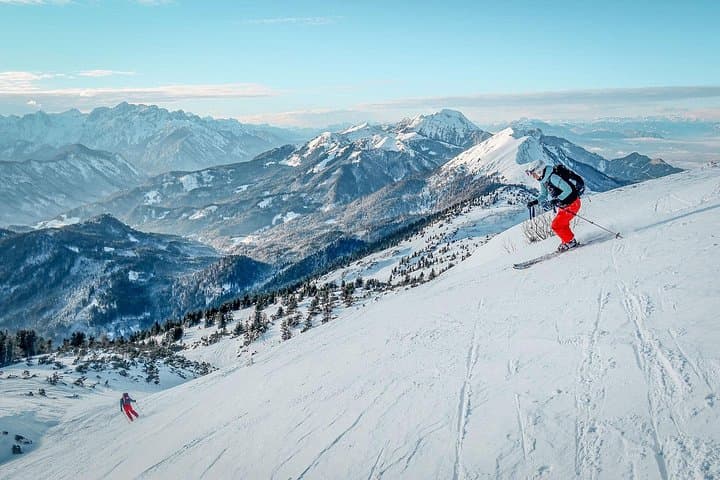
The workshop takes place in the Julian Alps and the Karawanks, a compact range where glacial valleys and limestone ridges meet the Upper Sava Valley. These slopes have been read by shepherds, mountaineers and wartime couriers for centuries; the area’s geology—steep folded limestone and remnant glacial bowls—creates predictable snow accumulations and varied touring terrain.
Culturally, the villages here keep a quiet mountain tradition: simple alpine huts, practiced guides, and a respect for changing weather. Expect small-group instruction that moves from classroom basics—avalanche theory, snowpack tests, beacon practice—to practical fieldwork: skinning technique, kick-turns, and a guided descent. The guide adapts the route for current conditions and participant skill.
Practical guidance: arrive with layered clothing, reliable downhill skiing ability, and an open mind. Equipment is provided (skis, skins, avalanche kit), but familiarizing yourself with how a beacon feels and how to fit skins before you go saves minutes and stress on the first slope.
Timing matters—early starts avoid wind-loaded slopes and heavy afternoon sun. Hydrate and eat calorie-dense snacks; altitudes are moderate but exertion is sustained. If you’re bringing kids over 10, choose crisp weather days and communicate comfort levels with the guide beforehand. This is a deliberately paced introduction to ski touring: you’ll leave with practical rescue skills, the rhythm of climb-and-ski, and a clear sense whether backcountry touring will be your sport.
moderate.
6–8 hours.
Suitable for recreational skiers in good aerobic condition; expect steady cardiovascular effort with repeated climbs.
No—this is an introductory workshop designed for beginners, though basic downhill skiing ability is recommended.
Yes—skis, skins, boots, poles and an avalanche kit are provided as part of the workshop.
Children 10 and older may join; inform the operator of ages and experience during booking so the guide can adapt the plan.
The operator may cancel for unsafe conditions with full refund if cancelled at least 24 hours prior; routes are chosen for prevailing snow and wind.
The Julian Alps have long been a corridor for local mountain culture and early alpine climbers; nearby valleys also saw strategic movement during WWI, shaping trails and huts still used today.
Much of the high country lies within protected zones—practice low-impact travel, pack out waste and follow local regulations to protect fragile alpine vegetation and snowfields.
Kofler sport-sport agency operates guided outdoor trips and adventures with an emphasis on safety, stewardship, and memorable experiences.
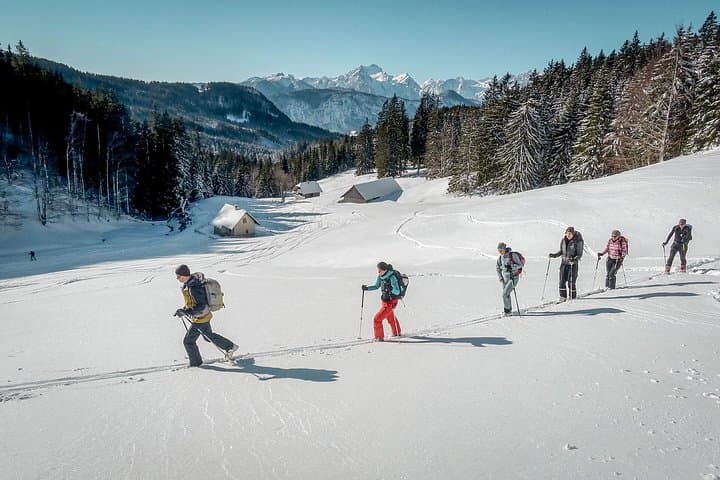
Thin alpine light breaks across the snow as you tighten skins and listen to a guide’s quick check of beacons—this is the first ascent of the day, and the mountains are already moving around you.
Thin alpine light breaks across the snow as you tighten skins and listen to a guide’s quick check of beacons—this is the first ascent of the day, and the mountains are already moving around you.
The workshop takes place in the Julian Alps and the Karawanks, a compact range where glacial valleys and limestone ridges meet the Upper Sava Valley. These slopes have been read by shepherds, mountaineers and wartime couriers for centuries; the area’s geology—steep folded limestone and remnant glacial bowls—creates predictable snow accumulations and varied touring terrain.
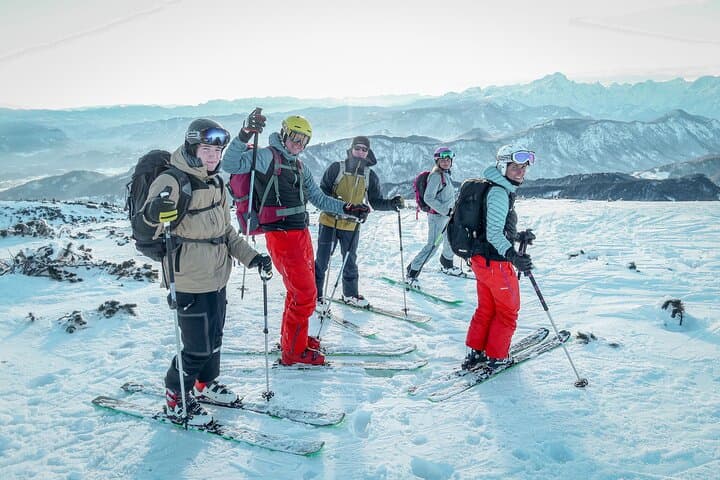
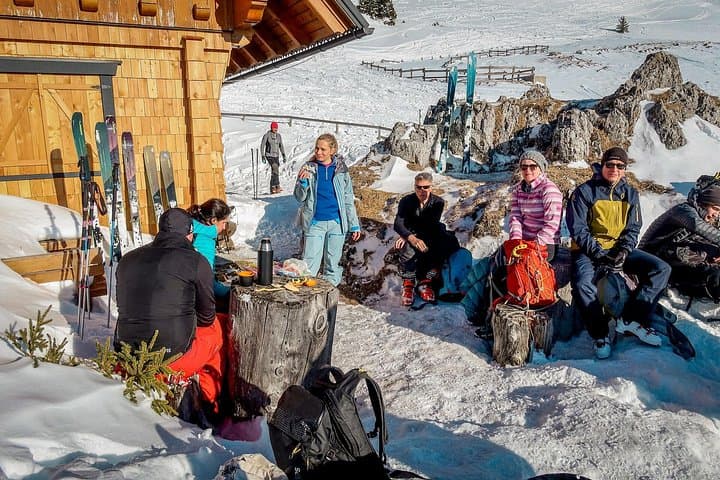
Culturally, the villages here keep a quiet mountain tradition: simple alpine huts, practiced guides, and a respect for changing weather. Expect small-group instruction that moves from classroom basics—avalanche theory, snowpack tests, beacon practice—to practical fieldwork: skinning technique, kick-turns, and a guided descent. The guide adapts the route for current conditions and participant skill.
Practical guidance: arrive with layered clothing, reliable downhill skiing ability, and an open mind. Equipment is provided (skis, skins, avalanche kit), but familiarizing yourself with how a beacon feels and how to fit skins before you go saves minutes and stress on the first slope.
Timing matters—early starts avoid wind-loaded slopes and heavy afternoon sun. Hydrate and eat calorie-dense snacks; altitudes are moderate but exertion is sustained. If you’re bringing kids over 10, choose crisp weather days and communicate comfort levels with the guide beforehand. This is a deliberately paced introduction to ski touring: you’ll leave with practical rescue skills, the rhythm of climb-and-ski, and a clear sense whether backcountry touring will be your sport.