THE ADVENTURE COLLECTIVE® · Independent discovery and booking for outdoor travel

Spend a full day exploring three well-preserved pockets of traditional Japan. This coach tour from Nagoya links Shirakawa-go’s gassho-zukuri houses with the canal-lined Gujo Hachiman and Edo streets of Hida Takayama.
Spend a full day exploring three well-preserved pockets of traditional Japan. This coach tour from Nagoya links Shirakawa-go’s gassho-zukuri houses with the canal-lined Gujo Hachiman and Edo streets of Hida Takayama.
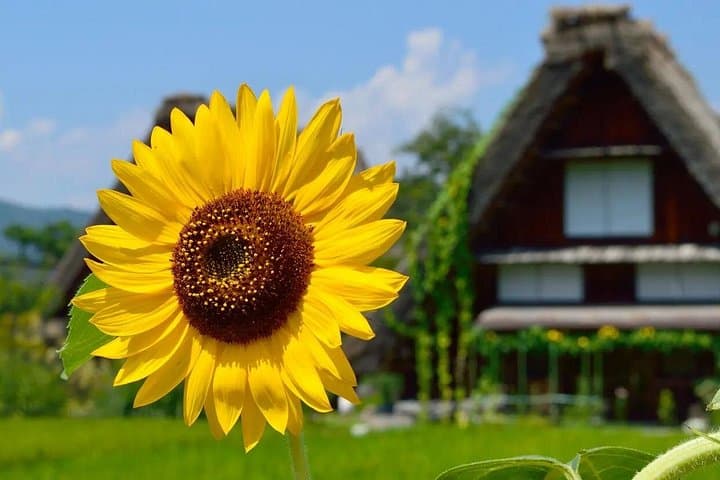
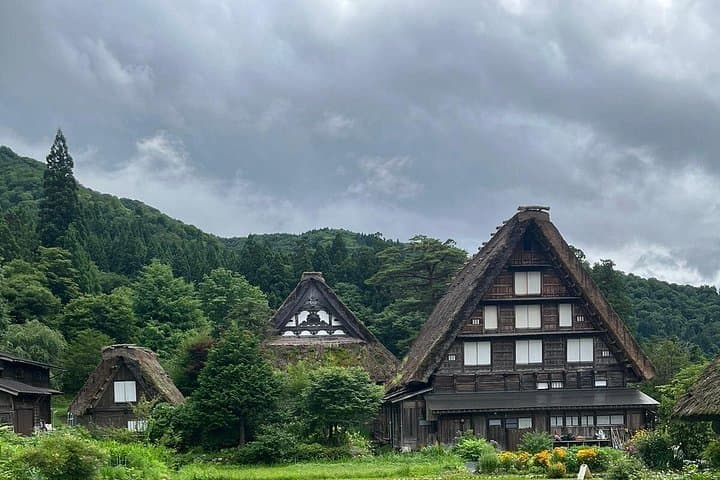
A crisp morning sees the bus peel out of Nagoya and the city’s glass and steel give way to foothills; by midmorning the mountains rise around you and Shirakawa-go appears like a cluster of steep, thatched roofs folded into the valley.
Verified experiences and guided adventures in the surrounding area.
Operated by TrevoTour Travels · Shirakawa-go, Gifu Prefecture
A crisp morning sees the bus peel out of Nagoya and the city’s glass and steel give way to foothills; by midmorning the mountains rise around you and Shirakawa-go appears like a cluster of steep, thatched roofs folded into the valley.
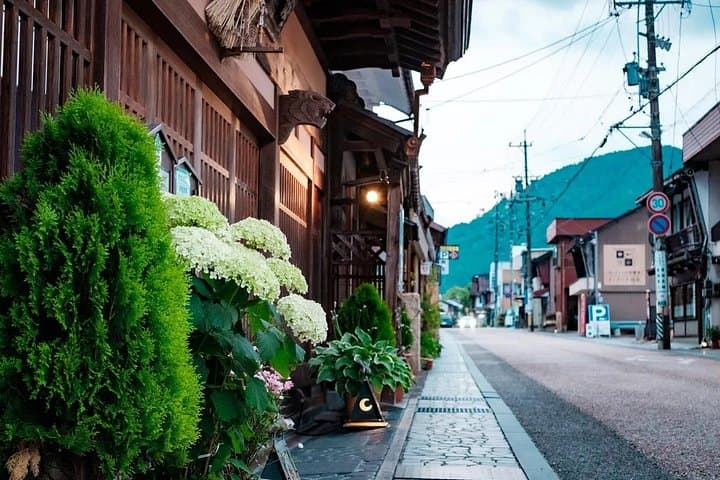
The tour strings together three distinct slices of rural Japan. Shirakawa-go’s gassho-zukuri farmhouses — angled to shed heavy snow — speak to centuries of mountain living; their steep thatch and heavy timber join vernacular engineering with daily life. Hida Takayama preserves an Edo-period street grid, merchant houses and sake breweries that recall pre-industrial trade corridors beneath the Japanese Alps. Gujo Hachiman adds canals and clear streams, a living water system where koi and local festivals still animate town life.
Geology here is simple but decisive: narrow river valleys carved by alpine runoff create isolated pockets where unique building techniques and local crafts persisted. Culturally, expect hands-on moments — Takayama markets, Gujo’s food-sample workshops, and small museums that explain rural governance and seasonal festivals.
Practical notes: this is an 11–12-hour coach loop with guided stops, moderate walking on cobbled streets and short uphill viewpoints. Bring layered clothing for cool valley mornings, waterproof shoes for uneven paths, and cash for small museums and snacks. Accessible transport is provided but some village streets and viewpoints include steps. Expect variable weather; the operator may adjust timings for traffic and conditions.
For travelers wanting compact, authentically preserved Japan in a single, long day, this route delivers history, geology and village life with efficient logistics and local interpretation.
moderate.
11–12 hours.
Light to moderate fitness; comfortable with a long day of walking and standing.
The tour is approximately 11–12 hours by coach from Nagoya with guided stops at Gujo Hachiman, Hida Takayama, and Shirakawa-go; transport is included but admissions and some meals are typically not.
Yes — the operator lists it as suitable for most fitness levels; however the long day can be tiring and village streets have steps and uneven surfaces.
Transport is wheelchair accessible and strollers are allowed, but some historic sites and viewpoints include steps or narrow lanes that restrict mobility.
Wear layered clothing and comfortable walking shoes, bring rain protection, snacks or cash, and a charged phone/camera for photos.
Shirakawa-go’s gassho-zukuri houses developed over centuries to cope with heavy snow; Takayama’s street layout and timber merchants reflect Edo-period regional governance and commerce.
These villages rely on careful visitor management and local preservation efforts; stay on paths, avoid touching thatch, and support local museums and workshops to fund maintenance.
TrevoTour Travels operates guided outdoor trips and adventures with an emphasis on safety, stewardship, and memorable experiences.
A crisp morning sees the bus peel out of Nagoya and the city’s glass and steel give way to foothills; by midmorning the mountains rise around you and Shirakawa-go appears like a cluster of steep, thatched roofs folded into the valley.
A crisp morning sees the bus peel out of Nagoya and the city’s glass and steel give way to foothills; by midmorning the mountains rise around you and Shirakawa-go appears like a cluster of steep, thatched roofs folded into the valley.
The tour strings together three distinct slices of rural Japan. Shirakawa-go’s gassho-zukuri farmhouses — angled to shed heavy snow — speak to centuries of mountain living; their steep thatch and heavy timber join vernacular engineering with daily life. Hida Takayama preserves an Edo-period street grid, merchant houses and sake breweries that recall pre-industrial trade corridors beneath the Japanese Alps. Gujo Hachiman adds canals and clear streams, a living water system where koi and local festivals still animate town life.
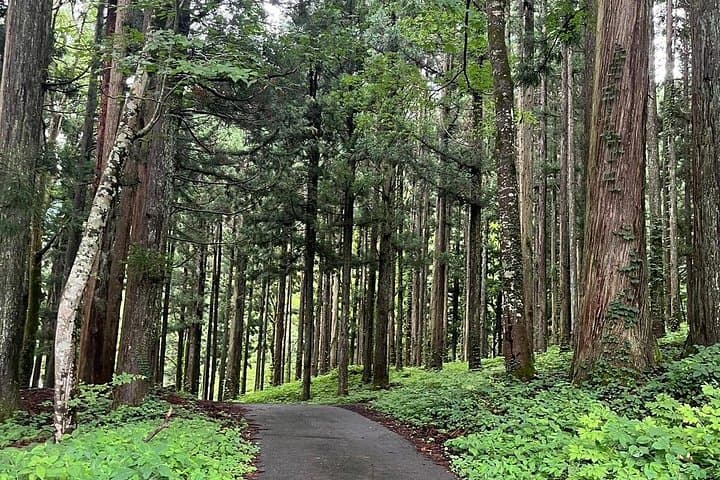
Geology here is simple but decisive: narrow river valleys carved by alpine runoff create isolated pockets where unique building techniques and local crafts persisted. Culturally, expect hands-on moments — Takayama markets, Gujo’s food-sample workshops, and small museums that explain rural governance and seasonal festivals.
Practical notes: this is an 11–12-hour coach loop with guided stops, moderate walking on cobbled streets and short uphill viewpoints. Bring layered clothing for cool valley mornings, waterproof shoes for uneven paths, and cash for small museums and snacks. Accessible transport is provided but some village streets and viewpoints include steps. Expect variable weather; the operator may adjust timings for traffic and conditions.
For travelers wanting compact, authentically preserved Japan in a single, long day, this route delivers history, geology and village life with efficient logistics and local interpretation.