THE ADVENTURE COLLECTIVE® · Independent discovery and booking for outdoor travel

Spend a long day crossing the greater Serengeti ecosystem from Mwanza, chasing Big Five sightings and the great wildebeest herds. This practical guide outlines what to expect on a 10‑hour game drive and how to prepare for the plains.
Spend a long day crossing the greater Serengeti ecosystem from Mwanza, chasing Big Five sightings and the great wildebeest herds. This practical guide outlines what to expect on a 10‑hour game drive and how to prepare for the plains.
Before first light the vehicle eases away from Mwanza and the plain unfolds: short grass, dusty tracks and a horizon where acacia silhouettes cut the sky. You feel the land moving — wildebeest thundering across distant ridgelines, a lion pausing like a punctuation mark in the long grass. This is a day in the greater Serengeti ecosystem, where geological uplift and volcanic soils have created broad, open plains that sustain enormous herds.
Verified experiences and guided adventures in the surrounding area.
Operated by Ngao Africa | Tanzania · Mwanza, Mwanza Region
Before first light the vehicle eases away from Mwanza and the plain unfolds: short grass, dusty tracks and a horizon where acacia silhouettes cut the sky. You feel the land moving — wildebeest thundering across distant ridgelines, a lion pausing like a punctuation mark in the long grass. This is a day in the greater Serengeti ecosystem, where geological uplift and volcanic soils have created broad, open plains that sustain enormous herds.
Serengeti’s name comes from the Maasai word siringet, meaning “endless plain.” The park’s history is entwined with pastoral peoples and 20th-century conservation efforts that transformed a hunting ground into one of Africa’s most important wildlife refuges. The park’s bedrock, eroded from ancient volcanics and sediments, shapes river lines and kopjes — granite outcrops that lions and leopards use as lookout towers.
Culturally expect Maasai presence on park margins and local guides who read animal behavior like weather maps. Wildlife encounters vary by season: river crossings dominate the dry months; calving and dense newborn herds define the wet seasons.
Practical guidance: this is a full 10‑hour day in an air‑conditioned 4x4 with game drives; expect long periods sitting and short, intense bursts of walking at viewpoints. Bring binoculars, a sun hat, a light insulating layer for early morning and a high‑capacity camera with spare batteries. Hydrate well, carry motion‑sickness remedies if you’re prone, and time your departure early to use the cooler morning hours when carnivores are most active.
A one‑day safari from Mwanza compresses the Serengeti experience into a focused wildlife day: plan logistics, charge gear, and let the plains do the rest.
easy.
10 hours.
Suitable for travelers in average physical condition; requires ability to sit for long periods and step in/out of a 4x4.
The tour is approximately 10 hours (600 minutes) with early morning departure from Mwanza, full-day game drives in the Serengeti, and return the same day.
The Serengeti hosts the Big Five, but sightings aren’t guaranteed in a single day—persistence and timing (dry season for concentrated predators) improve chances.
Yes—lunch and bottled water are included; notify operators in advance for dietary requirements such as vegetarian meals.
The tour is rated physically easy but includes long vehicle hours; it’s not recommended for pregnant travelers or those with serious heart conditions—check mobility limits with the operator.
Serengeti was designated a game reserve in the early 20th century and became a national park in 1951, protecting migratory routes that have supported pastoral communities for centuries.
Visitor numbers are managed through permits and park fees that fund anti‑poaching patrols; stay on tracks and follow guide instructions to minimize disturbance.
Ngao Africa | Tanzania operates guided outdoor trips and adventures with an emphasis on safety, stewardship, and memorable experiences.
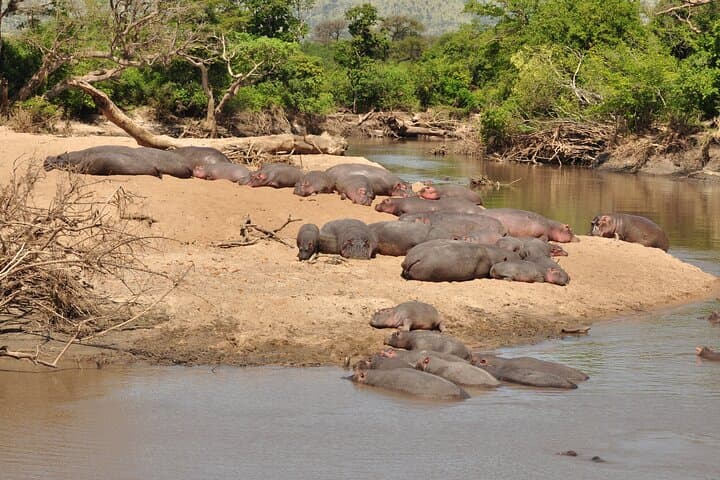
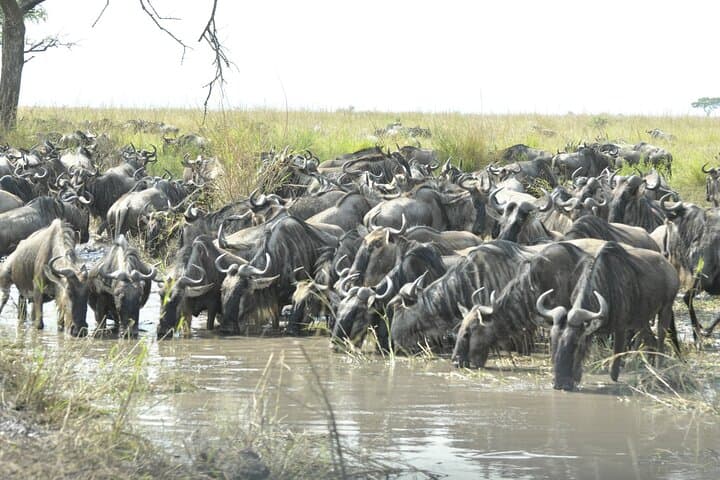
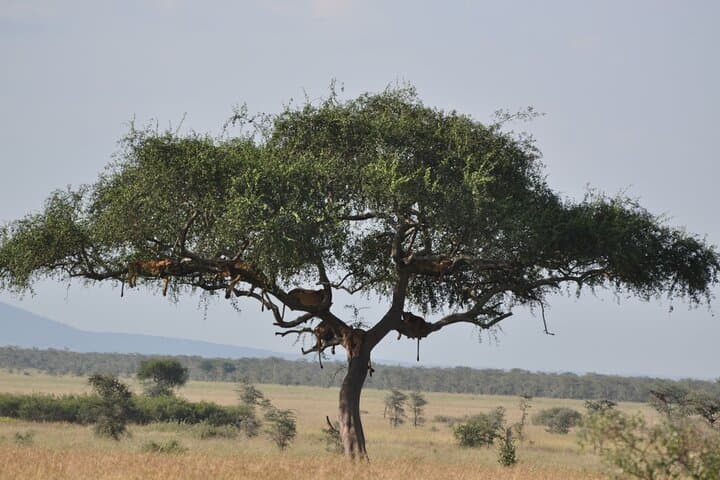
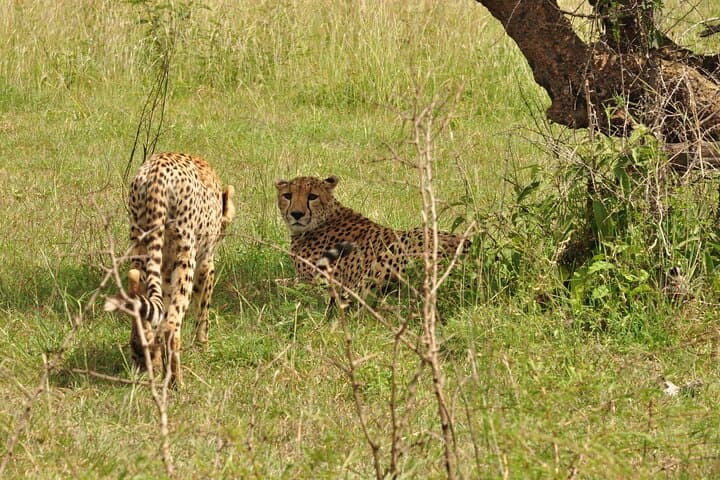
Before first light the vehicle eases away from Mwanza and the plain unfolds: short grass, dusty tracks and a horizon where acacia silhouettes cut the sky. You feel the land moving — wildebeest thundering across distant ridgelines, a lion pausing like a punctuation mark in the long grass. This is a day in the greater Serengeti ecosystem, where geological uplift and volcanic soils have created broad, open plains that sustain enormous herds.
Before first light the vehicle eases away from Mwanza and the plain unfolds: short grass, dusty tracks and a horizon where acacia silhouettes cut the sky. You feel the land moving — wildebeest thundering across distant ridgelines, a lion pausing like a punctuation mark in the long grass. This is a day in the greater Serengeti ecosystem, where geological uplift and volcanic soils have created broad, open plains that sustain enormous herds.
Serengeti’s name comes from the Maasai word siringet, meaning “endless plain.” The park’s history is entwined with pastoral peoples and 20th-century conservation efforts that transformed a hunting ground into one of Africa’s most important wildlife refuges. The park’s bedrock, eroded from ancient volcanics and sediments, shapes river lines and kopjes — granite outcrops that lions and leopards use as lookout towers.
Culturally expect Maasai presence on park margins and local guides who read animal behavior like weather maps. Wildlife encounters vary by season: river crossings dominate the dry months; calving and dense newborn herds define the wet seasons.
Practical guidance: this is a full 10‑hour day in an air‑conditioned 4x4 with game drives; expect long periods sitting and short, intense bursts of walking at viewpoints. Bring binoculars, a sun hat, a light insulating layer for early morning and a high‑capacity camera with spare batteries. Hydrate well, carry motion‑sickness remedies if you’re prone, and time your departure early to use the cooler morning hours when carnivores are most active.
A one‑day safari from Mwanza compresses the Serengeti experience into a focused wildlife day: plan logistics, charge gear, and let the plains do the rest.