THE ADVENTURE COLLECTIVE® · Independent discovery and booking for outdoor travel

Leave Mwanza before sunrise for a 145 km drive to the Ndabaka gate and one intense day of game drives in Serengeti National Park. See lions, zebras, and migration herds, enjoy a picnic lunch on the plain, and return to Mwanza after a full day of wildlife viewing.
Leave Mwanza before sunrise for a 145 km drive to the Ndabaka gate and one intense day of game drives in Serengeti National Park. See lions, zebras, and migration herds, enjoy a picnic lunch on the plain, and return to Mwanza after a full day of wildlife viewing.
Before dawn Mwanza is a smudge of lamps along Lake Victoria; by 5:30 a.m. you’re already rolling west in a 4x4 Land Cruiser, headlights carving through a waking landscape. The highway loosens into rutted track and the Serengeti announces itself not with fanfare but with distance — a horizon that keeps getting closer until the Ndabaka entry gate finally signs you in for a day among the plains.
Verified experiences and guided adventures in the surrounding area.
Operated by AFRICA NATURAL TOURS · Mwanza, Mwanza Region
Before dawn Mwanza is a smudge of lamps along Lake Victoria; by 5:30 a.m. you’re already rolling west in a 4x4 Land Cruiser, headlights carving through a waking landscape. The highway loosens into rutted track and the Serengeti announces itself not with fanfare but with distance — a horizon that keeps getting closer until the Ndabaka entry gate finally signs you in for a day among the plains.
The Serengeti is older than the idea of safari: a sweep of volcanic soils and shallow lakes shaped by tectonic lift and centuries of migrating hooves. Established as a national park in 1951, it’s where seasonal rainfall plots the routes of the Great Migration and where the grasslands claim their own rhythms. Drive the 145 km from Mwanza and you cross regions that change from smallholdings and acacia scrub to open savanna: the land itself arranges the wildlife.
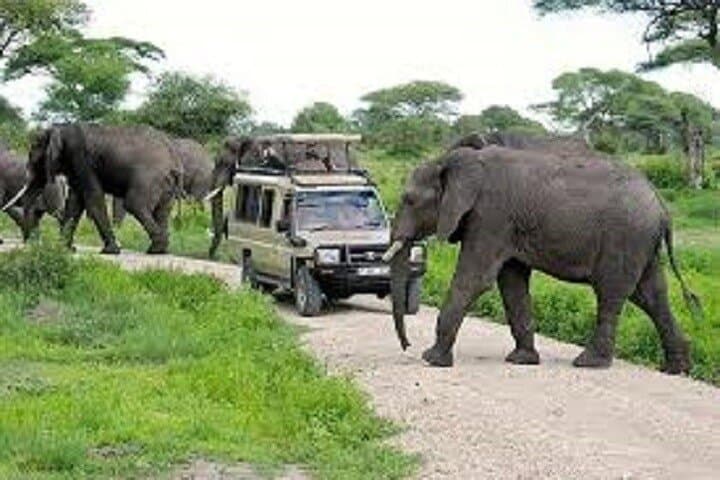
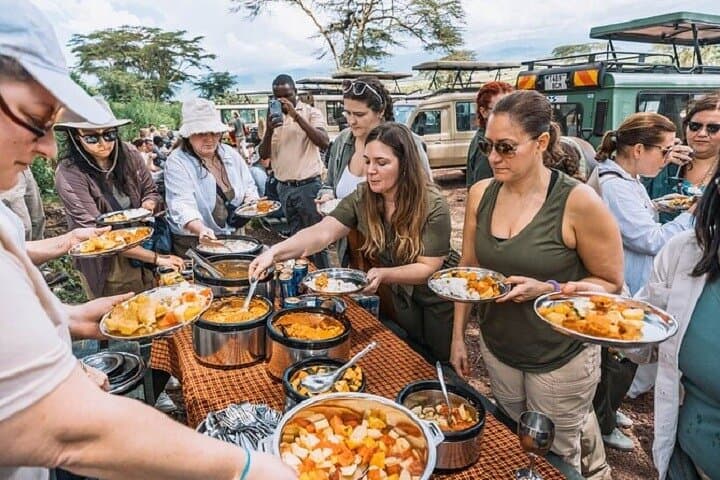
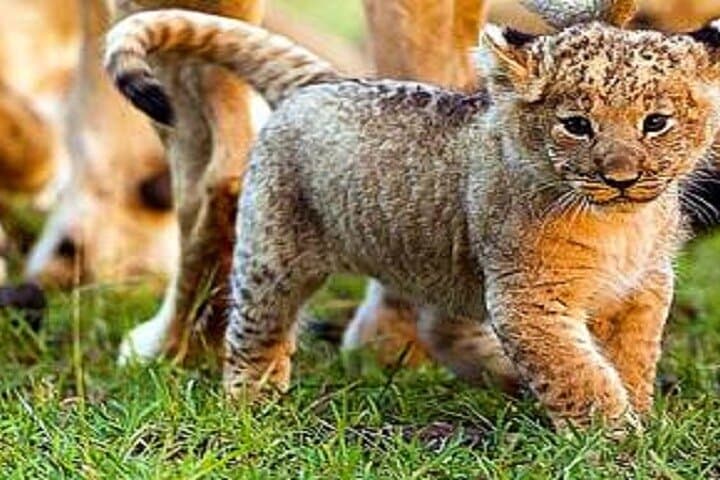
This one-day excursion is built around a simple promise — hours of game drive between Ndabaka and the adjacent plains, with an experienced, licensed guide at the helm. Expect to watch lions uncoil from the shade, spot leopards in low branches, and witness zebra and wildebeest threading their way across the grass. A picnic lunch is served at a scenic clearing; the afternoon widens into long shadows and another push for sightings before the return drive to Mwanza.
Practicalities matter on a day like this. The roads into Serengeti can be bumpy; a good guide anticipates potholes and timing so you arrive at first light when predators are most active. The tour includes park fees, purified water, lunch, a medical kit and a briefing, and vehicles are equipped for photography and comfort, but facilities inside the park are limited — don’t expect flush toilets.
Bring binoculars, a telephoto lens if you’re shooting, sun protection and layers for the temperature swing between morning and late afternoon. Motion-sickness medications help on the winding roads. Because the day is long — plan for roughly 12–14 hours from pickup to drop-off — carry snacks and patience: wildlife doesn’t operate on a schedule. Respect the guide’s instructions; staying quiet and in the vehicle keeps both you and the animals safe.
For travelers based in Mwanza, this is the shortest practical window into Serengeti’s big-country wildlife without an overnight. It’s an efficient, rewarding day that trades the depth of multi-day safaris for immediacy — a condensed dose of the migration, the big cats, and the plains that have defined African safari for generations.
easy.
12–14 hours.
Minimal fitness required — you should be comfortable sitting for long periods and getting in/out of a safari vehicle.
The transfer to Ndabaka gate is about 145 km and typically takes 2–3 hours depending on road conditions and stops.
The tour targets popular habitats and increases your chances, but wildlife sightings can’t be guaranteed in a single day.
Yes — Tanzania National Park entrance fees and a picnic lunch are included in this tour’s price.
Facilities are limited; expect basic, often portable toilets at picnic stops rather than full-service restrooms.
Children can join but check age restrictions with the operator; supervision and safety gear recommendations vary by provider.
Take anti-nausea medication before departure, sit facing forward, and focus on the horizon during bumpy stretches.
Serengeti National Park was established in 1951 and its name comes from the Maasai word “siringet,” meaning endless plain — a landscape shaped by ancient volcanic uplift and migrations.
Park fees contribute to anti-poaching and habitat protection; follow your guide’s instructions to minimize disturbance and help preserve migration corridors.
AFRICA NATURAL TOURS operates guided outdoor trips and adventures with an emphasis on safety, stewardship, and memorable experiences.
Before dawn Mwanza is a smudge of lamps along Lake Victoria; by 5:30 a.m. you’re already rolling west in a 4x4 Land Cruiser, headlights carving through a waking landscape. The highway loosens into rutted track and the Serengeti announces itself not with fanfare but with distance — a horizon that keeps getting closer until the Ndabaka entry gate finally signs you in for a day among the plains.
Before dawn Mwanza is a smudge of lamps along Lake Victoria; by 5:30 a.m. you’re already rolling west in a 4x4 Land Cruiser, headlights carving through a waking landscape. The highway loosens into rutted track and the Serengeti announces itself not with fanfare but with distance — a horizon that keeps getting closer until the Ndabaka entry gate finally signs you in for a day among the plains.
The Serengeti is older than the idea of safari: a sweep of volcanic soils and shallow lakes shaped by tectonic lift and centuries of migrating hooves. Established as a national park in 1951, it’s where seasonal rainfall plots the routes of the Great Migration and where the grasslands claim their own rhythms. Drive the 145 km from Mwanza and you cross regions that change from smallholdings and acacia scrub to open savanna: the land itself arranges the wildlife.
This one-day excursion is built around a simple promise — hours of game drive between Ndabaka and the adjacent plains, with an experienced, licensed guide at the helm. Expect to watch lions uncoil from the shade, spot leopards in low branches, and witness zebra and wildebeest threading their way across the grass. A picnic lunch is served at a scenic clearing; the afternoon widens into long shadows and another push for sightings before the return drive to Mwanza.
Practicalities matter on a day like this. The roads into Serengeti can be bumpy; a good guide anticipates potholes and timing so you arrive at first light when predators are most active. The tour includes park fees, purified water, lunch, a medical kit and a briefing, and vehicles are equipped for photography and comfort, but facilities inside the park are limited — don’t expect flush toilets.
Bring binoculars, a telephoto lens if you’re shooting, sun protection and layers for the temperature swing between morning and late afternoon. Motion-sickness medications help on the winding roads. Because the day is long — plan for roughly 12–14 hours from pickup to drop-off — carry snacks and patience: wildlife doesn’t operate on a schedule. Respect the guide’s instructions; staying quiet and in the vehicle keeps both you and the animals safe.
For travelers based in Mwanza, this is the shortest practical window into Serengeti’s big-country wildlife without an overnight. It’s an efficient, rewarding day that trades the depth of multi-day safaris for immediacy — a condensed dose of the migration, the big cats, and the plains that have defined African safari for generations.