THE ADVENTURE COLLECTIVE® · Independent discovery and booking for outdoor travel

Spend a focused day earning a scuba certification that lets you dive to 12 m around Malta’s clear limestone reefs and wrecks. This course blends eLearning, confined-water skills and two supervised open-water dives—perfect for new divers who want a fast, safe start.
Spend a focused day earning a scuba certification that lets you dive to 12 m around Malta’s clear limestone reefs and wrecks. This course blends eLearning, confined-water skills and two supervised open-water dives—perfect for new divers who want a fast, safe start.
On a clear Mediterranean morning off Malta’s northern shore, the water glints like steel sheet—inviting, cool, and purposeful. You meet at the dive centre, kit laid out and instructors running through the day's plan: a short eLearning primer finished beforehand, a hands-on skills session, then two supervised open-water dives to 12 metres where walls, arches and small wrecks frame the underwater world.
Verified experiences and guided adventures in the surrounding area.
Operated by Aquatica Diving Centre · St. Paul's Bay, Malta
On a clear Mediterranean morning off Malta’s northern shore, the water glints like steel sheet—inviting, cool, and purposeful. You meet at the dive centre, kit laid out and instructors running through the day's plan: a short eLearning primer finished beforehand, a hands-on skills session, then two supervised open-water dives to 12 metres where walls, arches and small wrecks frame the underwater world.
Malta's islands have long been a crossroads of seafarers; its bays and channels preserve shipwrecks from Phoenician traders to WWII convoys. The limestone bedrock that forms underwater cliffs and swim-throughs was carved by waves and uplifted over millennia, creating the clear, nutrient-sparse waters that favor hard corals, sponges and dramatic visibility.
Culturally, diving here is practical and professional—local operators emphasize safety, buoyancy and respect for fragile sites. Expect briefings that reference marine-protected areas and simple Maltese phrases from friendly staff.
Practically, the course combines confined-water drills—mask clearing, regulator recovery, buddy air-sharing—and two supervised dives. Maximum depth is limited to 12 m for certification progress, which keeps nitrogen exposure low and scenes luminous. Plan for roughly nine hours total including transport to sites, and avoid flying for at least 18 hours after diving.
Bring a shorty or 3mm wetsuit depending on season, a personal mask and sensible footwear for rocky entries. Hydrate, eat light, and move deliberately through the skills phase—buoyancy is everything. By day’s end you’ll have a recognized certification and the confidence to explore deeper dives or upgrade to Open Water on future trips.
moderate.
9 hours.
Moderate fitness: able to swim comfortably, handle surface swims and short boat transfers.
No prior certification is required, but you must be comfortable in the water and complete the eLearning module before your day.
The course limits dives to a maximum depth of 12 metres for beginner certification progression and safety.
Yes—SCUBA equipment is provided, though many divers bring a personal mask and sometimes fins for comfort.
Participants must be at least 10 years old with parental consent; those with significant medical conditions need written medical clearance beforehand.
Malta’s strategic location produced centuries of maritime activity; many dive sites are around wrecks and reef formations created by uplifted limestone.
Operators emphasize no-touch diving and buoyancy control to protect sponges and corals; local MPAs regulate anchoring and fishing to preserve dive sites.
Aquatica Diving Centre operates guided outdoor trips and adventures with an emphasis on safety, stewardship, and memorable experiences.
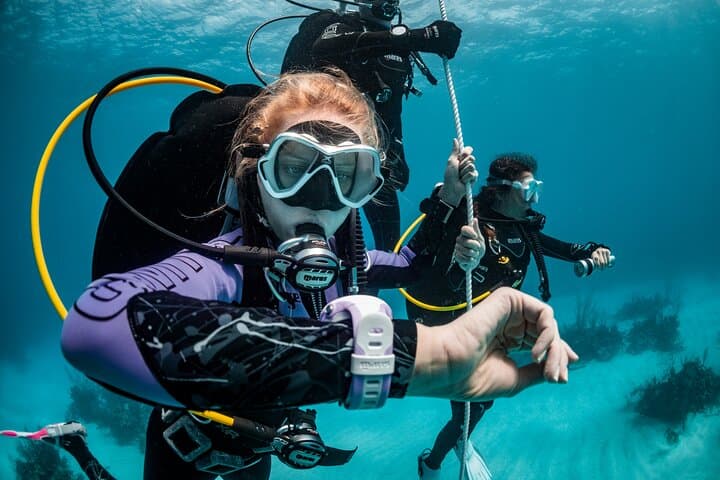
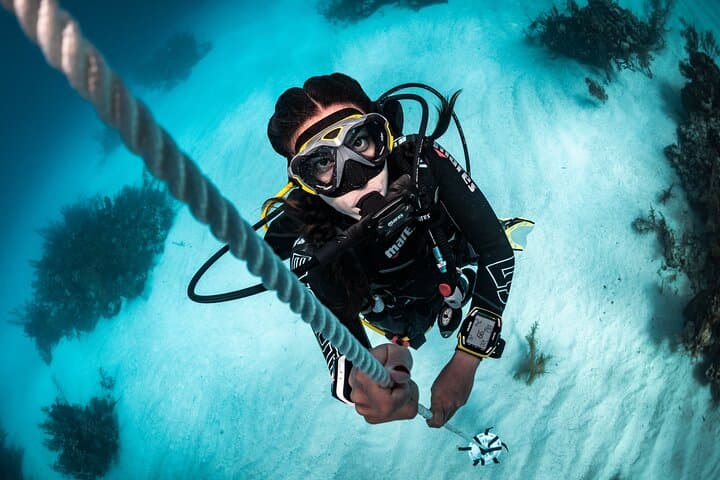
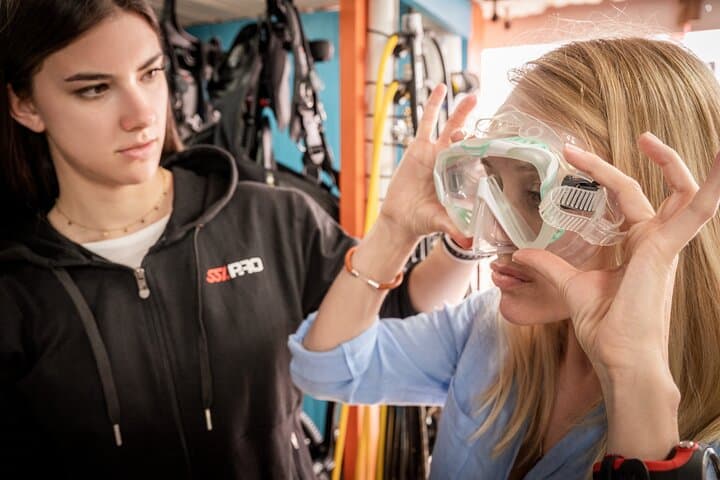
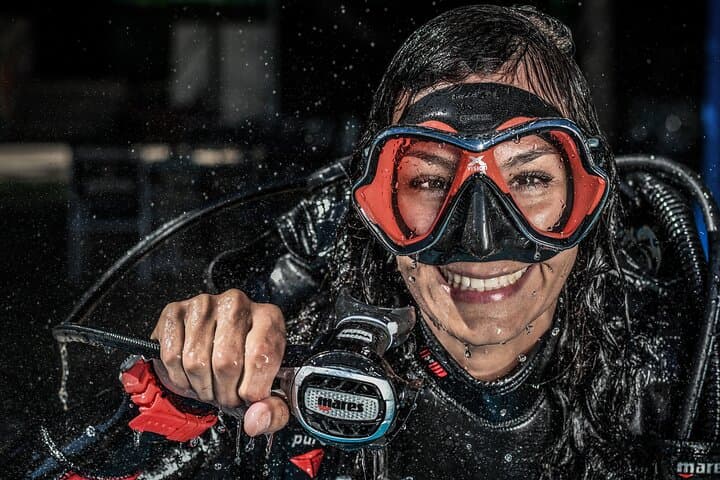
On a clear Mediterranean morning off Malta’s northern shore, the water glints like steel sheet—inviting, cool, and purposeful. You meet at the dive centre, kit laid out and instructors running through the day's plan: a short eLearning primer finished beforehand, a hands-on skills session, then two supervised open-water dives to 12 metres where walls, arches and small wrecks frame the underwater world.
On a clear Mediterranean morning off Malta’s northern shore, the water glints like steel sheet—inviting, cool, and purposeful. You meet at the dive centre, kit laid out and instructors running through the day's plan: a short eLearning primer finished beforehand, a hands-on skills session, then two supervised open-water dives to 12 metres where walls, arches and small wrecks frame the underwater world.
Malta's islands have long been a crossroads of seafarers; its bays and channels preserve shipwrecks from Phoenician traders to WWII convoys. The limestone bedrock that forms underwater cliffs and swim-throughs was carved by waves and uplifted over millennia, creating the clear, nutrient-sparse waters that favor hard corals, sponges and dramatic visibility.
Culturally, diving here is practical and professional—local operators emphasize safety, buoyancy and respect for fragile sites. Expect briefings that reference marine-protected areas and simple Maltese phrases from friendly staff.
Practically, the course combines confined-water drills—mask clearing, regulator recovery, buddy air-sharing—and two supervised dives. Maximum depth is limited to 12 m for certification progress, which keeps nitrogen exposure low and scenes luminous. Plan for roughly nine hours total including transport to sites, and avoid flying for at least 18 hours after diving.
Bring a shorty or 3mm wetsuit depending on season, a personal mask and sensible footwear for rocky entries. Hydrate, eat light, and move deliberately through the skills phase—buoyancy is everything. By day’s end you’ll have a recognized certification and the confidence to explore deeper dives or upgrade to Open Water on future trips.