THE ADVENTURE COLLECTIVE® · Independent discovery and booking for outdoor travel

Spend a day among towering nutmeg trees, ritual temple ponds and a lesser-known waterfall on a private Bali tour. This route pairs wildlife encounters with cultural sites and short, walkable trails — ideal for travelers wanting one accessible day of nature and heritage.
Spend a day among towering nutmeg trees, ritual temple ponds and a lesser-known waterfall on a private Bali tour. This route pairs wildlife encounters with cultural sites and short, walkable trails — ideal for travelers wanting one accessible day of nature and heritage.
You step out of an air-conditioned minivan and the first thing you notice is a different rhythm: branches click with macaques, cool shade replaces the roadside heat, and stone carvings peer through moss. This is Sangeh Forest — a compact six-hectare stand of towering nutmeg trees where long-tailed macaques weave through temple roofs and courtyards, confident of centuries of local protection.
Verified experiences and guided adventures in the surrounding area.
Operated by Sunrise Indonesia Tour & Travel · Sangeh, Bali
You step out of an air-conditioned minivan and the first thing you notice is a different rhythm: branches click with macaques, cool shade replaces the roadside heat, and stone carvings peer through moss. This is Sangeh Forest — a compact six-hectare stand of towering nutmeg trees where long-tailed macaques weave through temple roofs and courtyards, confident of centuries of local protection.
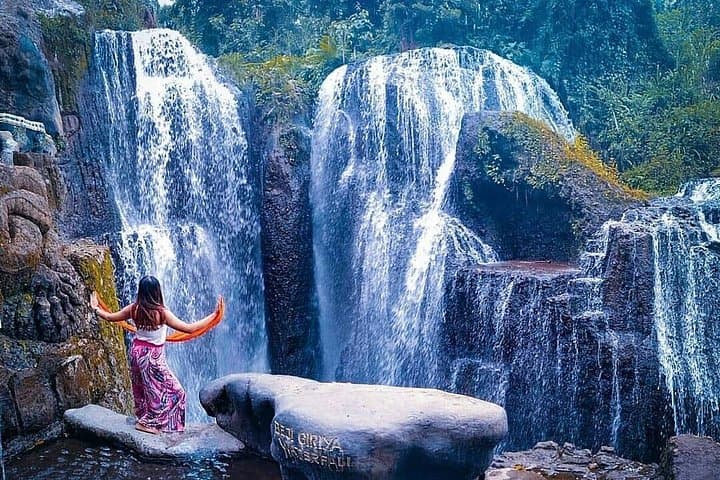
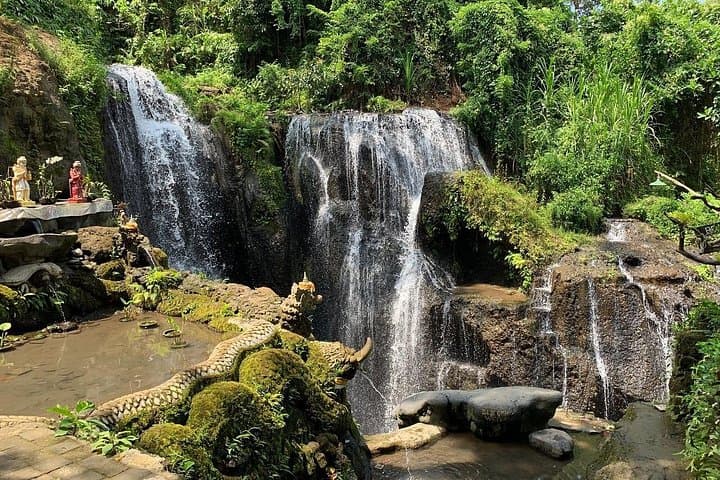
The day rolls through three distinct chapters. Sangeh’s Pura Bukit Sari began as an agricultural temple in the 17th century and still holds a Garuda carving that marks the site’s ritual importance. Pura Taman Mumbul follows with manicured temple ponds and the Ulun Mumbul complex where Melasti purification ceremonies bring the community to the water’s edge. The final act is Beji Griya — a fresher, less-crowded waterfall with a short scramble to viewpoints and the option to stand beneath a curtain of falling water.
Geologically, the sites sit on older volcanic soils and limestone outcrops that shape the small streams and gullies feeding the waterfall. Culturally, expect temple etiquette: modest dress, a quiet demeanor, and small offerings visible at shrines.
Practical guidance: wear sturdy closed-toe shoes for uneven temple steps and wet rocks, carry a refillable water bottle, and secure cameras and jewelry — monkeys are attracted to shiny objects. Plan on a full day (around 10–12 hours with stops and transfers) if you start from Denpasar or Kuta; staying in Ubud shortens drive time. Bring cash for small temple donations and local snacks, and allow time to move calmly through temple courtyards — the reward is close-up wildlife encounters and a quieter side of Bali’s cultural landscape.
easy.
10–12 hours.
Suitable for most fitness levels; expect light walking, steps and short uneven sections.
Monkeys at Sangeh are habituated to humans but are still wild; keep a respectful distance, avoid direct eye contact and never feed them.
Many small temple areas have modest entry or donation requests; the tour often covers main admission but bring small cash for local fees and offerings.
Yes — the route is family-friendly with short walks; supervise children closely around monkeys and wet rock at the waterfall.
Private transportation is included on this one-day tour, typically in an air-conditioned vehicle with a driver-guide as noted in the tour inclusions.
Pura Bukit Sari and surrounding temples date to the 17th century and were historically linked to agricultural rites; restoration work continues to preserve carvings and shrines.
Avoid feeding wildlife, keep a distance from shrines, and minimize plastic waste — local communities depend on respectful tourism to protect these small ecosystems.
Sunrise Indonesia Tour & Travel operates guided outdoor trips and adventures with an emphasis on safety, stewardship, and memorable experiences.
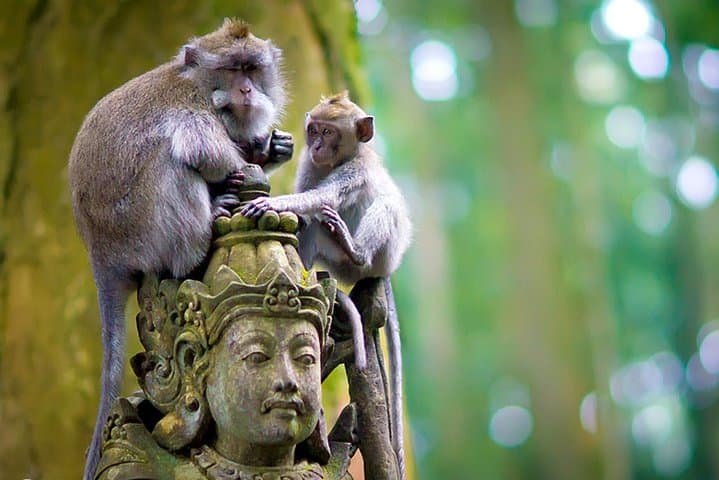
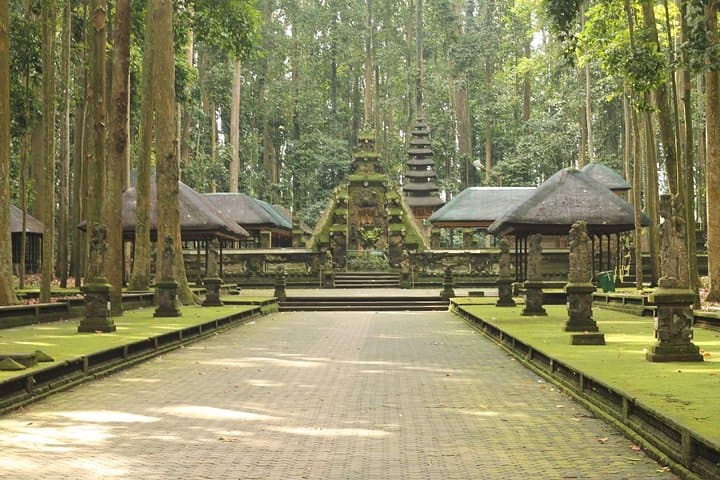
You step out of an air-conditioned minivan and the first thing you notice is a different rhythm: branches click with macaques, cool shade replaces the roadside heat, and stone carvings peer through moss. This is Sangeh Forest — a compact six-hectare stand of towering nutmeg trees where long-tailed macaques weave through temple roofs and courtyards, confident of centuries of local protection.
You step out of an air-conditioned minivan and the first thing you notice is a different rhythm: branches click with macaques, cool shade replaces the roadside heat, and stone carvings peer through moss. This is Sangeh Forest — a compact six-hectare stand of towering nutmeg trees where long-tailed macaques weave through temple roofs and courtyards, confident of centuries of local protection.
The day rolls through three distinct chapters. Sangeh’s Pura Bukit Sari began as an agricultural temple in the 17th century and still holds a Garuda carving that marks the site’s ritual importance. Pura Taman Mumbul follows with manicured temple ponds and the Ulun Mumbul complex where Melasti purification ceremonies bring the community to the water’s edge. The final act is Beji Griya — a fresher, less-crowded waterfall with a short scramble to viewpoints and the option to stand beneath a curtain of falling water.
Geologically, the sites sit on older volcanic soils and limestone outcrops that shape the small streams and gullies feeding the waterfall. Culturally, expect temple etiquette: modest dress, a quiet demeanor, and small offerings visible at shrines.
Practical guidance: wear sturdy closed-toe shoes for uneven temple steps and wet rocks, carry a refillable water bottle, and secure cameras and jewelry — monkeys are attracted to shiny objects. Plan on a full day (around 10–12 hours with stops and transfers) if you start from Denpasar or Kuta; staying in Ubud shortens drive time. Bring cash for small temple donations and local snacks, and allow time to move calmly through temple courtyards — the reward is close-up wildlife encounters and a quieter side of Bali’s cultural landscape.