THE ADVENTURE COLLECTIVE® · Independent discovery and booking for outdoor travel

See four signature Riviera Maya sites in a single day: cliff-top Tulum, jungle-strewn Cobá, the crystalline Cenote Cuxtal, and the electric Fifth Avenue in Playa del Carmen. This full-day tour blends archaeology, geology, and seaside culture with practical logistics for travelers.
See four signature Riviera Maya sites in a single day: cliff-top Tulum, jungle-strewn Cobá, the crystalline Cenote Cuxtal, and the electric Fifth Avenue in Playa del Carmen. This full-day tour blends archaeology, geology, and seaside culture with practical logistics for travelers.
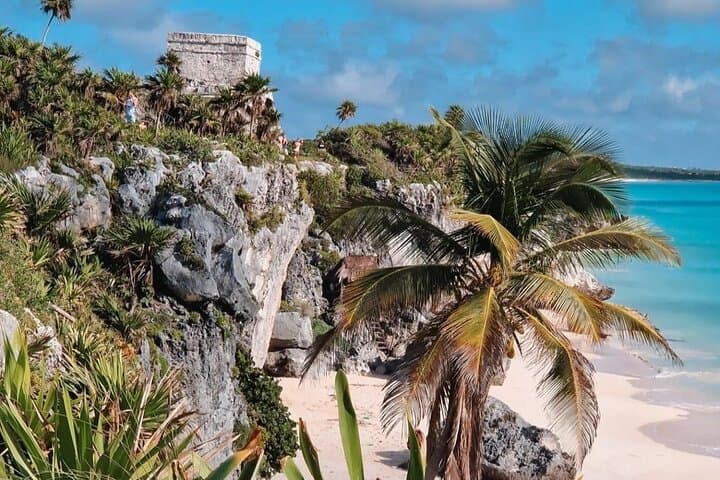
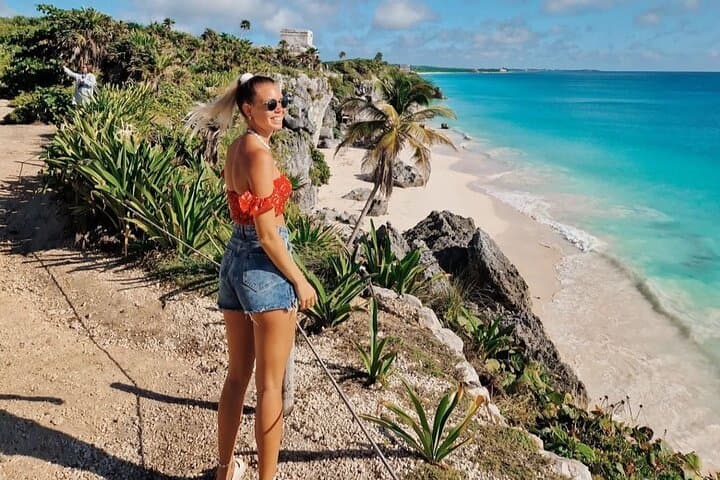
You step off the air-conditioned van into sunlight that feels like a warm hand — the Caribbean beyond Tulum glints while the jungle breathes green behind the stones.
Verified experiences and guided adventures in the surrounding area.
Operated by Best Cancun Experience · Tulum, Quintana Roo
You step off the air-conditioned van into sunlight that feels like a warm hand — the Caribbean beyond Tulum glints while the jungle breathes green behind the stones.
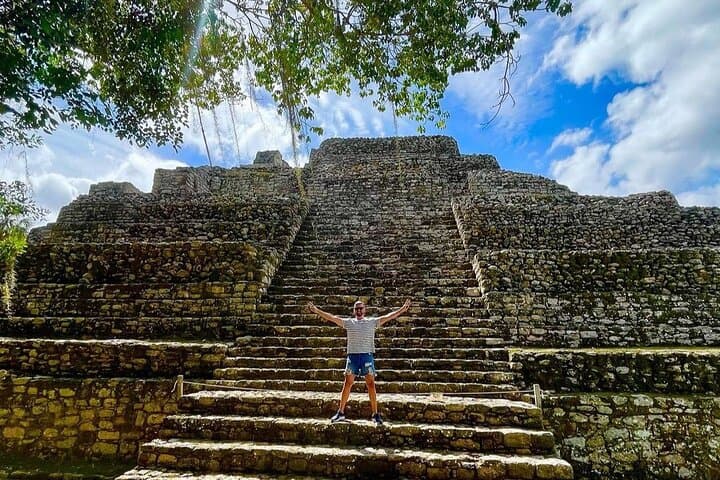
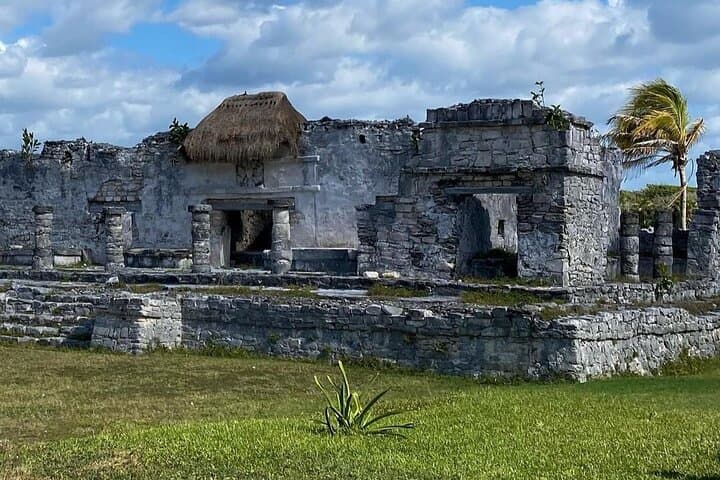
The day moves with deliberate contrasts: the cliff-top ruins of Tulum, where El Castillo watches the sea; the sinkhole stillness of Cenote Cuxtal, where limestone has carved a cathedral of water; and the low, spread temples and sacbé roads of Cobá, a place of long sightlines through ceiba and palm. Each place shows a different face of the Yucatán — maritime trade and astronomy at Tulum, karst geology and groundwater at the cenote, and inland civic life at Cobá.
The Maya left signs in stone and water: carved stucco, ball courts, and cenotes that were both freshwater source and ritual site. Geologically, the region is porous limestone — rain filters fast, producing cenotes and underground aquifers that still feed coastal springs.
Plan for sun, humidity, and a lot of walking on uneven paths. Bring reef-safe sunscreen, a refillable water bottle, sturdy shoes for cobblestones and jungle trails, and a lightweight daypack. Cameras are essential; charging options are limited at some stops. The lunch included is a practical break mid-route. Expect guided interpretation at each stop and roughly 10–11 hours overall with van transfers between sites.
This itinerary is a compact primer on coastal and inland Maya life and the karst landscape that shaped it — straightforward, sensory, and best done with good shoes and patience for heat and brief crowds.
moderate.
11 hours.
Suitable for travelers with basic fitness; involves multiple short to moderate walks on uneven ground and steps.
The tour runs about 11 hours with van transfers; each site includes guided time and short walks—expect a full, structured day.
Yes—swimming and snorkeling are typically allowed; bring swimwear and a towel and use provided or your own snorkel gear if offered.
The tour description lists admissions included for Cobá and the cenote; verify specific inclusions when booking for Tulum site fees.
It’s family-friendly but involves uneven surfaces and steps; not recommended for travelers with serious spinal issues or limited mobility.
Tulum was a Late Postclassic Maya port important for maritime trade; Cobá grew earlier as an inland regional center connected by sacbé roads.
Cenotes are part of a fragile karst aquifer—use reef-safe products, avoid littering, and follow site rules to protect water quality and habitats.
Best Cancun Experience operates guided outdoor trips and adventures with an emphasis on safety, stewardship, and memorable experiences.
You step off the air-conditioned van into sunlight that feels like a warm hand — the Caribbean beyond Tulum glints while the jungle breathes green behind the stones.
You step off the air-conditioned van into sunlight that feels like a warm hand — the Caribbean beyond Tulum glints while the jungle breathes green behind the stones.
The day moves with deliberate contrasts: the cliff-top ruins of Tulum, where El Castillo watches the sea; the sinkhole stillness of Cenote Cuxtal, where limestone has carved a cathedral of water; and the low, spread temples and sacbé roads of Cobá, a place of long sightlines through ceiba and palm. Each place shows a different face of the Yucatán — maritime trade and astronomy at Tulum, karst geology and groundwater at the cenote, and inland civic life at Cobá.
The Maya left signs in stone and water: carved stucco, ball courts, and cenotes that were both freshwater source and ritual site. Geologically, the region is porous limestone — rain filters fast, producing cenotes and underground aquifers that still feed coastal springs.
Plan for sun, humidity, and a lot of walking on uneven paths. Bring reef-safe sunscreen, a refillable water bottle, sturdy shoes for cobblestones and jungle trails, and a lightweight daypack. Cameras are essential; charging options are limited at some stops. The lunch included is a practical break mid-route. Expect guided interpretation at each stop and roughly 10–11 hours overall with van transfers between sites.
This itinerary is a compact primer on coastal and inland Maya life and the karst landscape that shaped it — straightforward, sensory, and best done with good shoes and patience for heat and brief crowds.