THE ADVENTURE COLLECTIVE® · Independent discovery and booking for outdoor travel

Cover three of Campania’s defining sites in one day: walk frozen streets at Pompeii, peer into wooden-world Herculaneum, then climb toward Vesuvius’ crater. This private tour pairs history with volcanic geology and practical logistics for an efficient full-day outing from Naples.
Cover three of Campania’s defining sites in one day: walk frozen streets at Pompeii, peer into wooden-world Herculaneum, then climb toward Vesuvius’ crater. This private tour pairs history with volcanic geology and practical logistics for an efficient full-day outing from Naples.
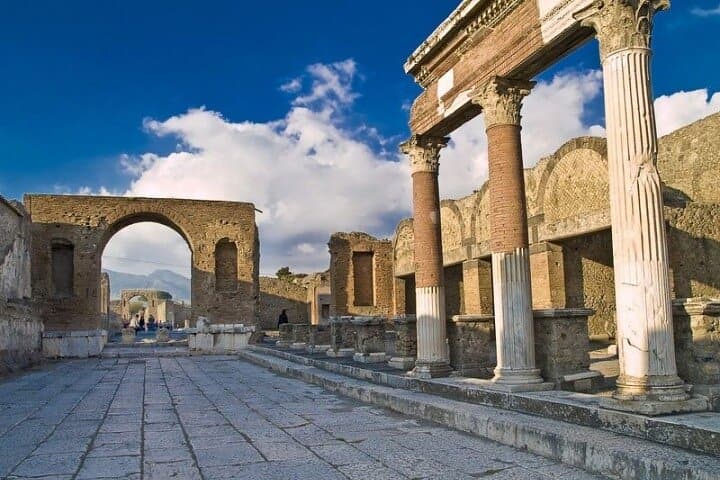
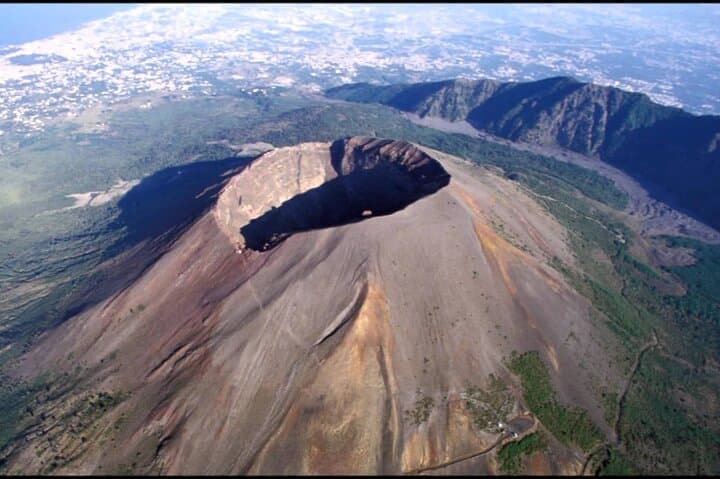
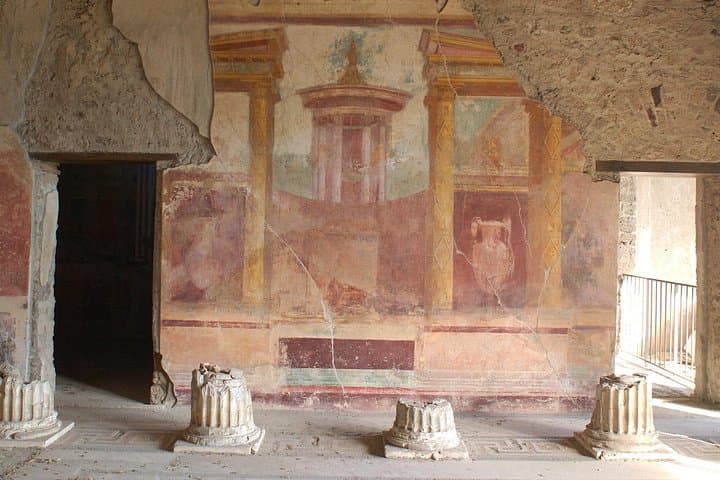
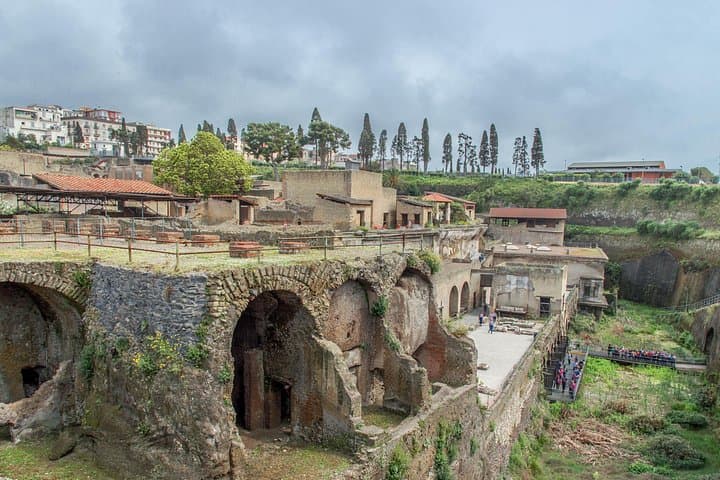
You step out of the air-conditioned minivan and the air tastes faintly of sulfur and sea — Vesuvius watches from the ridge while the ruins of Pompeii spread flat like an open map. The day moves with purpose: first the preserved streets of Pompeii, then the wooden beams and intimate houses of Herculaneum, and finally the raw, wind-swept trail to Vesuvius' crater.
Verified experiences and guided adventures in the surrounding area.
Operated by starlimousineitaly · Pompeii, Campania
You step out of the air-conditioned minivan and the air tastes faintly of sulfur and sea — Vesuvius watches from the ridge while the ruins of Pompeii spread flat like an open map. The day moves with purpose: first the preserved streets of Pompeii, then the wooden beams and intimate houses of Herculaneum, and finally the raw, wind-swept trail to Vesuvius' crater.
Pompeii and Herculaneum were frozen by the same 79 AD eruption, but their stories differ: Pompeii’s broad forums and plaster casts speak to public life, while Herculaneum’s waterlogged deposits preserved woodwork and household detail. Geologically, the area sits on volcanic deposits and rich, mineral soils — the same soil that produces local wines such as Lacryma Christi. Culturally, the sites are a living link to Roman daily life and the long relationship Neapolitans have with Vesuvius, which both nourishes and threatens the region.
Practical side: the private tour runs roughly eight hours with door-to-door pickup from Naples, bottled water, and time-managed visits. Expect paved excavation paths in Pompeii, narrow stairways in Herculaneum, and a loose rocky ascent to the Vesuvius crater that can be windy and dusty. Buy the Vesuvius entry ticket the day of travel on vivaticket.com and aim for the midday slot recommended by guides. Wear supportive shoes, sun protection, and bring a jacket for the summit. Plan for an early start and moderate walking stamina; this is a full day that pairs archaeology with geology and delivers striking, varied terrain and history in one route.
moderate.
8 hours.
Suitable for travelers who can handle several hours of walking, short stair sections, and a 30–60 minute ascent on loose volcanic rock.
Archaeological entrance tickets are not included; Vesuvius requires purchasing the "guided tour of the great cone of Vesuvius" on vivaticket.com the same day—aim for the recommended midday time.
Expect several hours of walking across uneven Roman streets and excavations plus a 30–60 minute uphill walk to the Vesuvius crater that includes loose volcanic terrain.
The tour is family-friendly and listed as physically easy overall, but the Vesuvius summit may be difficult for guests with limited mobility; check alternatives or skip the summit if needed.
The provider’s cancellation policy allows full refund if you cancel 24 hours prior; Vesuvius access depends on weather and the Vivaticket bookings are non-refundable, so confirm conditions before purchasing that ticket.
The 79 AD eruption buried Pompeii and Herculaneum under ash and mud, preserving domestic life; their excavation has been ongoing since the 18th century and continues to reshape understanding of Roman urbanity.
Both sites follow strict conservation practices to limit erosion and visitor impact; stick to marked paths, avoid touching frescoes, and use official footbridges to protect fragile ruins.
starlimousineitaly operates guided outdoor trips and adventures with an emphasis on safety, stewardship, and memorable experiences.
You step out of the air-conditioned minivan and the air tastes faintly of sulfur and sea — Vesuvius watches from the ridge while the ruins of Pompeii spread flat like an open map. The day moves with purpose: first the preserved streets of Pompeii, then the wooden beams and intimate houses of Herculaneum, and finally the raw, wind-swept trail to Vesuvius' crater.
You step out of the air-conditioned minivan and the air tastes faintly of sulfur and sea — Vesuvius watches from the ridge while the ruins of Pompeii spread flat like an open map. The day moves with purpose: first the preserved streets of Pompeii, then the wooden beams and intimate houses of Herculaneum, and finally the raw, wind-swept trail to Vesuvius' crater.
Pompeii and Herculaneum were frozen by the same 79 AD eruption, but their stories differ: Pompeii’s broad forums and plaster casts speak to public life, while Herculaneum’s waterlogged deposits preserved woodwork and household detail. Geologically, the area sits on volcanic deposits and rich, mineral soils — the same soil that produces local wines such as Lacryma Christi. Culturally, the sites are a living link to Roman daily life and the long relationship Neapolitans have with Vesuvius, which both nourishes and threatens the region.
Practical side: the private tour runs roughly eight hours with door-to-door pickup from Naples, bottled water, and time-managed visits. Expect paved excavation paths in Pompeii, narrow stairways in Herculaneum, and a loose rocky ascent to the Vesuvius crater that can be windy and dusty. Buy the Vesuvius entry ticket the day of travel on vivaticket.com and aim for the midday slot recommended by guides. Wear supportive shoes, sun protection, and bring a jacket for the summit. Plan for an early start and moderate walking stamina; this is a full day that pairs archaeology with geology and delivers striking, varied terrain and history in one route.