THE ADVENTURE COLLECTIVE® · Independent discovery and booking for outdoor travel

Explore Kathmandu’s top cultural sites in a single private day: Durbar Square, Swayambhunath, Pashupatinath and Boudhanath. This guided tour combines compact driving with short walks and focused time at each monument—ideal for first-time visitors who want context and efficiency.
Explore Kathmandu’s top cultural sites in a single private day: Durbar Square, Swayambhunath, Pashupatinath and Boudhanath. This guided tour combines compact driving with short walks and focused time at each monument—ideal for first-time visitors who want context and efficiency.
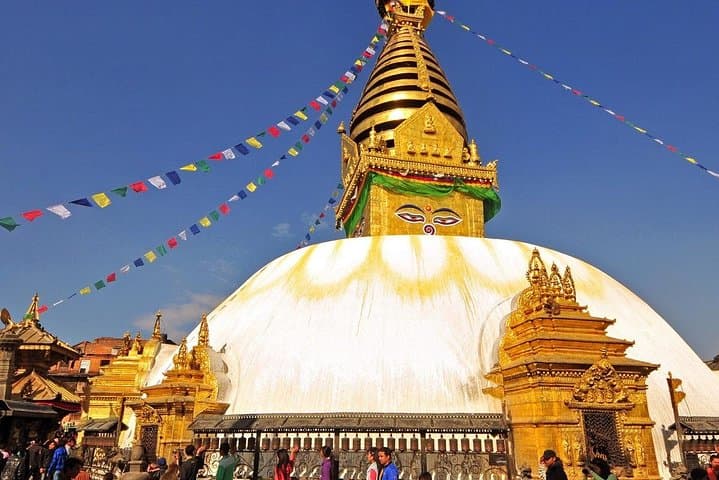
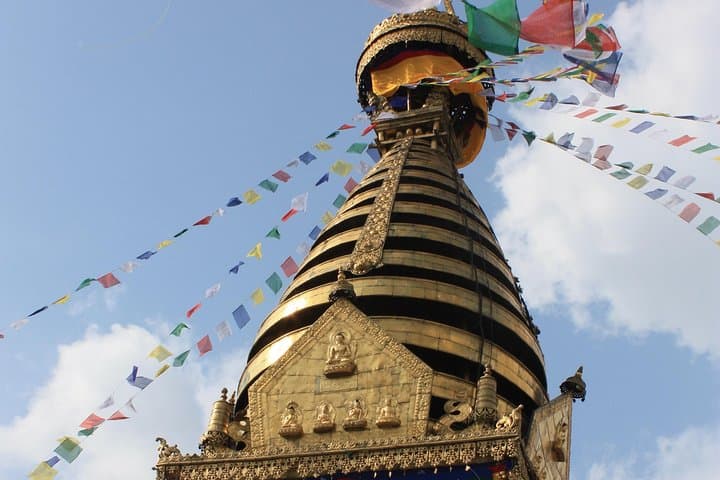
Morning light drapes the courtyard of Kathmandu Durbar Square as the group assembles—pigeons lift, prayer flags flutter, and the city’s layered history hums in the air. A private car eases into narrow lanes to the living goddess’s residence, then climbs to Swayambhunath where monkeys inspect visitors and the stupa’s white dome seems to watch the valley below.
Verified experiences and guided adventures in the surrounding area.
Operated by Himalaya Holiday service Pvt. Ltd.(HHS) · Kathmandu, Bagmati Province
Morning light drapes the courtyard of Kathmandu Durbar Square as the group assembles—pigeons lift, prayer flags flutter, and the city’s layered history hums in the air. A private car eases into narrow lanes to the living goddess’s residence, then climbs to Swayambhunath where monkeys inspect visitors and the stupa’s white dome seems to watch the valley below.
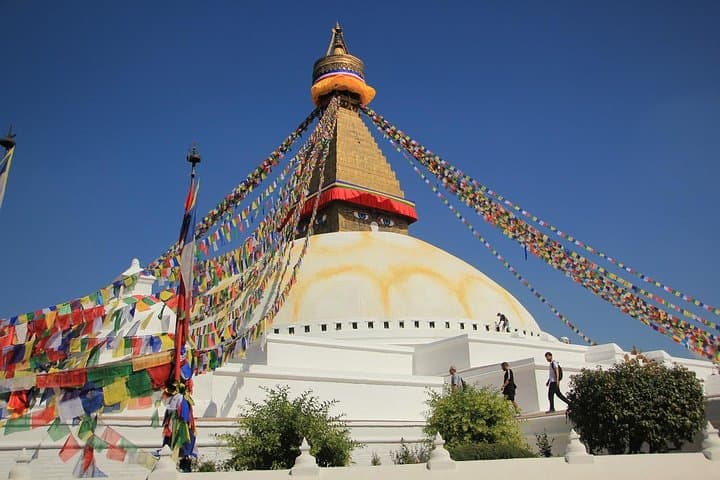
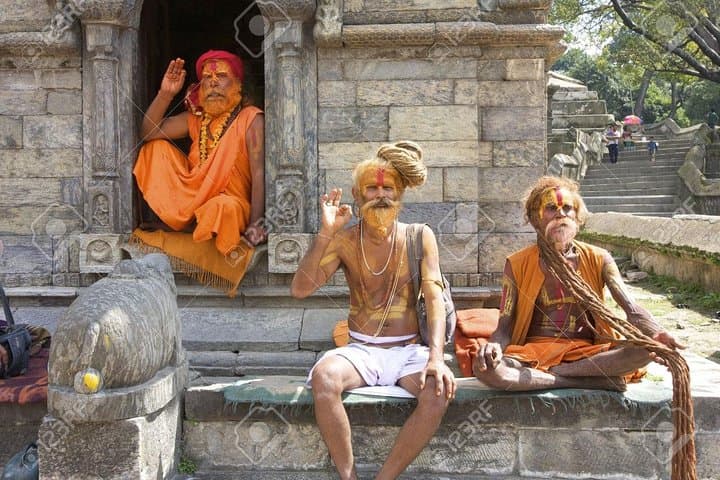
Kathmandu’s core holds five centuries of Newar palaces, Hindu shrines and Tibetan Buddhist monasteries standing within blocks of one another. Durbar Square is a UNESCO-listed cluster of carved wood and stone, Pashupatinath opens onto the Bagmati River with public cremations reflecting centuries-old Hindu rites, and Boudhanath’s massive mandala draws Tibetan exiles and pilgrims who spin brass prayer wheels and trade yak wool textiles.
The day moves at a pragmatic pace: short walks, stair climbs at hilltop sites, and measured time for respectful observation. The geology—soft river valleys ringed by the Mahabharat Range—creates the compact city bowl that concentrates culture, commerce and ritual.
Practical guidance: expect 5–7 hours total with short drives between monuments; wear modest clothing for temple entry and shoes you can remove easily. Bring water, sun protection and small change for offerings or shrine donations. Plan visits early or late in the day to avoid peak crowds and midday pollution. Local guides handle permits and navigation through pockets of heavy traffic, leaving travelers to focus on the art, architecture and living traditions that give Kathmandu its particular gravity.
easy.
5–7 hours.
Suitable for most fitness levels; requires short stair climbs and standing during site visits.
This private tour usually covers guide and transport; individual temple donations and formal site entry fees are paid locally—confirm with the operator before booking.
Yes—pace is flexible with short walks; notify the operator of mobility needs for vehicle access and extra stops.
You can view the Kumari residence in Durbar Square from designated areas; public appearances are rare and follow traditional schedules.
No special permit is required for general visitors, but some zones near cremation ghats restrict access—follow your guide’s direction for respectful viewing.
Kathmandu Durbar Square and surrounding monuments reflect centuries of Newar craftsmanship and were central to Malla and Shah dynasty ceremonial life; many structures are UNESCO-listed and rebuilt after seismic events.
High visitor volumes and urban pollution stress these heritage sites—use refillable water, avoid single-use plastics, and follow local guidance to minimize impact.
Himalaya Holiday service Pvt. Ltd.(HHS) operates guided outdoor trips and adventures with an emphasis on safety, stewardship, and memorable experiences.
Morning light drapes the courtyard of Kathmandu Durbar Square as the group assembles—pigeons lift, prayer flags flutter, and the city’s layered history hums in the air. A private car eases into narrow lanes to the living goddess’s residence, then climbs to Swayambhunath where monkeys inspect visitors and the stupa’s white dome seems to watch the valley below.
Morning light drapes the courtyard of Kathmandu Durbar Square as the group assembles—pigeons lift, prayer flags flutter, and the city’s layered history hums in the air. A private car eases into narrow lanes to the living goddess’s residence, then climbs to Swayambhunath where monkeys inspect visitors and the stupa’s white dome seems to watch the valley below.
Kathmandu’s core holds five centuries of Newar palaces, Hindu shrines and Tibetan Buddhist monasteries standing within blocks of one another. Durbar Square is a UNESCO-listed cluster of carved wood and stone, Pashupatinath opens onto the Bagmati River with public cremations reflecting centuries-old Hindu rites, and Boudhanath’s massive mandala draws Tibetan exiles and pilgrims who spin brass prayer wheels and trade yak wool textiles.
The day moves at a pragmatic pace: short walks, stair climbs at hilltop sites, and measured time for respectful observation. The geology—soft river valleys ringed by the Mahabharat Range—creates the compact city bowl that concentrates culture, commerce and ritual.
Practical guidance: expect 5–7 hours total with short drives between monuments; wear modest clothing for temple entry and shoes you can remove easily. Bring water, sun protection and small change for offerings or shrine donations. Plan visits early or late in the day to avoid peak crowds and midday pollution. Local guides handle permits and navigation through pockets of heavy traffic, leaving travelers to focus on the art, architecture and living traditions that give Kathmandu its particular gravity.