THE ADVENTURE COLLECTIVE® · Independent discovery and booking for outdoor travel

Escape Marrakech for a day and follow a canyon road into the High Atlas foothills to Ouzoud, where a 110-metre cascade slices red cliffs and fills emerald pools. This private day tour blends short walks, terrace lunches, and optional boat rides with local culture and easy logistics.
Escape Marrakech for a day and follow a canyon road into the High Atlas foothills to Ouzoud, where a 110-metre cascade slices red cliffs and fills emerald pools. This private day tour blends short walks, terrace lunches, and optional boat rides with local culture and easy logistics.
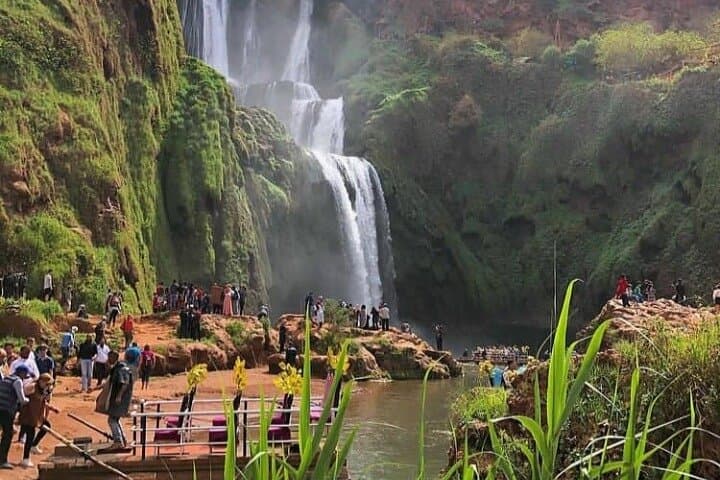
The minivan eases out of Marrakech before dawn, palms and ochre riads dropping away as the Atlas foothills rise into view. By midmorning the road narrows and the air smells of thyme; a shoulder of road gives onto the first clean thunder of Ouzoud — a sheet of water falling from sandstone cliffs and fanning into emerald pools below.
Verified experiences and guided adventures in the surrounding area.
Operated by Morocco Daily Trip · Azilal, Béni Mellal-Khénifra
The minivan eases out of Marrakech before dawn, palms and ochre riads dropping away as the Atlas foothills rise into view. By midmorning the road narrows and the air smells of thyme; a shoulder of road gives onto the first clean thunder of Ouzoud — a sheet of water falling from sandstone cliffs and fanning into emerald pools below.
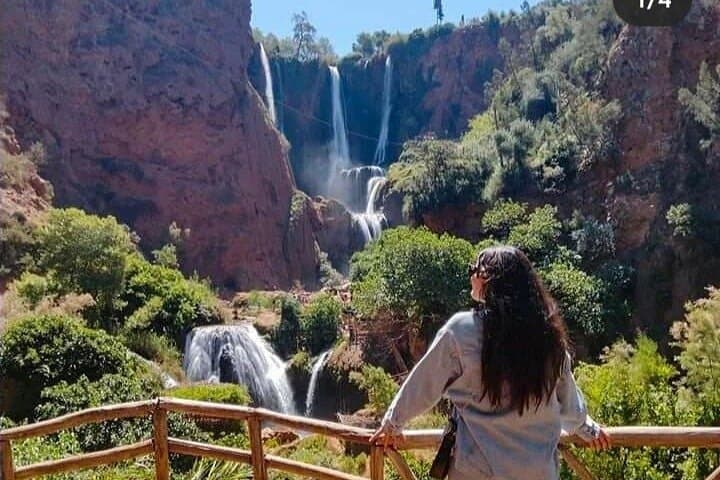
Ouzoud’s top drop is often quoted at about 110 metres. The falls sit in the Tanaghmeit valley in Azilal province, carved from red-clay cliffs and underlain by ancient sedimentary layers that tilt toward the High Atlas. What travelers see today is not only geology but centuries of human use: the tumbling water that once powered local olive mills still turns small wooden gears and feeds terrace gardens tended by Berber families.
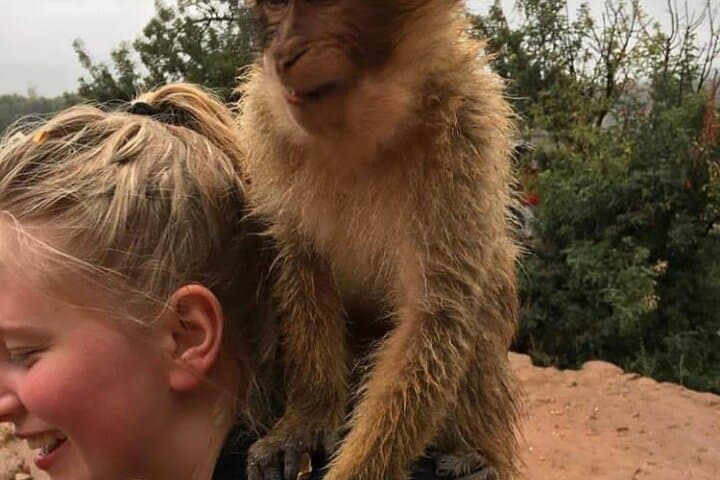
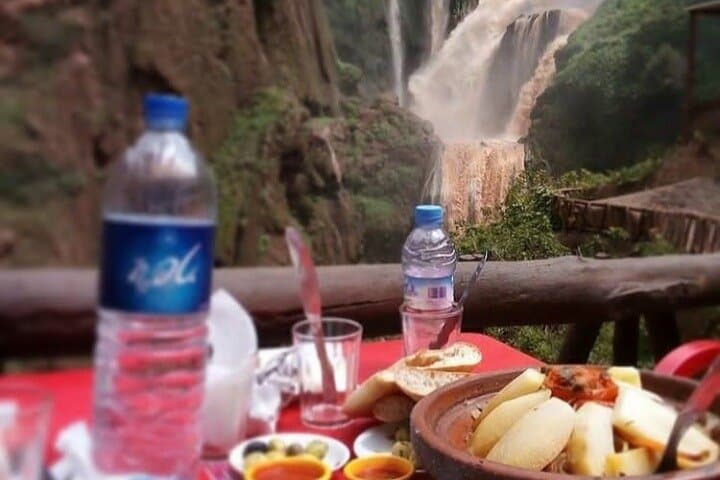
Culturally the site is a crossroads. Local terraces and cafés look out across the cascades, offering tagines and strong mint tea on stone terraces where millers used to dry grain. Barbary macaques are a regular presence on the rocks and in the trees; they can be curious but are wild animals, not props. Birdwatchers will find common kestrels and bee-eaters tracing thermals through the gorge.
Practically, a private day tour from Marrakech covers roughly 150–160 km each way; expect an 8–9 hour day including travel, a guided circuit around the falls, and time for lunch. Paths range from paved switchbacks to steep stone steps; there are short, sometimes slippery sections near spray zones. Guided groups typically stop at viewpoints above the falls, descend to a riverside path, and offer an optional (payable) boat ride up the plunge pools.
Timing matters: arrive late morning to midafternoon for the warm light that brings out rust and green in the rock, and to hit the cafés when terraces are open. For a more private experience, ask for an earlier start or a slightly later return to avoid peak tour traffic. Footwear with grip is essential for the descent; bring a waterproof layer for spray and a small towel if you plan to paddle.
Conservation-wise, the falls are a working landscape — respect trails, avoid feeding wildlife, and carry out trash. Local guides and small businesses run most services; tipping and buying a meal at a family-run café keeps revenue local.
A day here is both easy to access and richly physical: the road shortens the distance to the rock, but the landscape still insists you move through it — down narrow steps, across river stones, and suddenly, close to the water where the falls dare you to stay a while.
moderate.
8–9 hours.
Suitable for travelers in general good health; requires climbing and descending stairs and short uneven trails.
The drive is roughly 150–160 km and typically takes about 2.5–3 hours each way depending on traffic and stops.
No technical hiking is required, but expect steep stone steps and uneven paths; moderate fitness and sturdy shoes recommended.
Swimming is possible in calm pools but conditions vary; follow local guidance and avoid strong currents and restricted areas.
They are wild and can bite or grab belongings if provoked or fed—observe from a distance and secure food and cameras.
Lunch is typically not included; the tour stops at local terraces where you can order lunch at your own expense.
Yes—private tours often allow adjustments like earlier pickup times or longer stops; discuss options at booking.
The falls historically powered small olive and grain mills in the valley; remnants of wooden millworks and slate drying terraces reflect agricultural use by Amazigh (Berber) communities.
Visitor pressure and litter can stress the site—stick to trails, avoid feeding wildlife, and support local eateries that follow sustainable practices.
Morocco Daily Trip operates guided outdoor trips and adventures with an emphasis on safety, stewardship, and memorable experiences.
The minivan eases out of Marrakech before dawn, palms and ochre riads dropping away as the Atlas foothills rise into view. By midmorning the road narrows and the air smells of thyme; a shoulder of road gives onto the first clean thunder of Ouzoud — a sheet of water falling from sandstone cliffs and fanning into emerald pools below.
The minivan eases out of Marrakech before dawn, palms and ochre riads dropping away as the Atlas foothills rise into view. By midmorning the road narrows and the air smells of thyme; a shoulder of road gives onto the first clean thunder of Ouzoud — a sheet of water falling from sandstone cliffs and fanning into emerald pools below.
Ouzoud’s top drop is often quoted at about 110 metres. The falls sit in the Tanaghmeit valley in Azilal province, carved from red-clay cliffs and underlain by ancient sedimentary layers that tilt toward the High Atlas. What travelers see today is not only geology but centuries of human use: the tumbling water that once powered local olive mills still turns small wooden gears and feeds terrace gardens tended by Berber families.
Culturally the site is a crossroads. Local terraces and cafés look out across the cascades, offering tagines and strong mint tea on stone terraces where millers used to dry grain. Barbary macaques are a regular presence on the rocks and in the trees; they can be curious but are wild animals, not props. Birdwatchers will find common kestrels and bee-eaters tracing thermals through the gorge.
Practically, a private day tour from Marrakech covers roughly 150–160 km each way; expect an 8–9 hour day including travel, a guided circuit around the falls, and time for lunch. Paths range from paved switchbacks to steep stone steps; there are short, sometimes slippery sections near spray zones. Guided groups typically stop at viewpoints above the falls, descend to a riverside path, and offer an optional (payable) boat ride up the plunge pools.
Timing matters: arrive late morning to midafternoon for the warm light that brings out rust and green in the rock, and to hit the cafés when terraces are open. For a more private experience, ask for an earlier start or a slightly later return to avoid peak tour traffic. Footwear with grip is essential for the descent; bring a waterproof layer for spray and a small towel if you plan to paddle.
Conservation-wise, the falls are a working landscape — respect trails, avoid feeding wildlife, and carry out trash. Local guides and small businesses run most services; tipping and buying a meal at a family-run café keeps revenue local.
A day here is both easy to access and richly physical: the road shortens the distance to the rock, but the landscape still insists you move through it — down narrow steps, across river stones, and suddenly, close to the water where the falls dare you to stay a while.