THE ADVENTURE COLLECTIVE® · Independent discovery and booking for outdoor travel

Leave Kigali before dawn for a full-day plunge into Nyungwe National Park. Walk a 50m-high canopy bridge, hike to a remote waterfall, and watch colobus troops swing through the trees on an intensive, nature-rich day trip.
Leave Kigali before dawn for a full-day plunge into Nyungwe National Park. Walk a 50m-high canopy bridge, hike to a remote waterfall, and watch colobus troops swing through the trees on an intensive, nature-rich day trip.
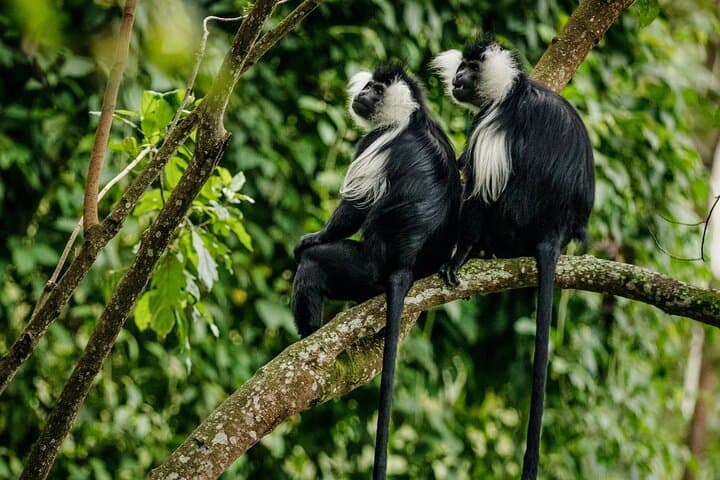
The day opens before dawn in Kigali, headlights cutting into rolling hills as the city recedes and the road leans toward the western highlands. By midmorning you enter Nyungwe National Park—the air cools, the forest rises, and the canopy seems to breathe around you. The canopy walkway hangs 50 meters above the floor, a swaying artery through colobus-filled crowns; below, a hidden waterfall threads the slope and dares you closer with the steady hiss of runoff.
Verified experiences and guided adventures in the surrounding area.
Operated by Worldwide Explorers · Gisakura, Southern Province
The day opens before dawn in Kigali, headlights cutting into rolling hills as the city recedes and the road leans toward the western highlands. By midmorning you enter Nyungwe National Park—the air cools, the forest rises, and the canopy seems to breathe around you. The canopy walkway hangs 50 meters above the floor, a swaying artery through colobus-filled crowns; below, a hidden waterfall threads the slope and dares you closer with the steady hiss of runoff.
Nyungwe is one of Africa’s oldest montane rainforests, sitting roughly between 1,600–2,950 meters elevation and carved by volcanic soils and steep ridgelines. The park’s history is tied to Rwanda’s shifting kingdoms and to longstanding conservation efforts that protect chimpanzees, large colobus troops, and a prolific bird list. Tea plantations fringe the forest—visitors can learn leaf-to-cup processing on short stops—and local guides share cultural notes about Rwandan mountain life.
Practically: expect moderate-to-strenuous hiking on uneven, often muddy trails—plan for 3–8 km of walking and short, steep elevation changes up to a few hundred meters. The full-day outing from Kigali is roughly 10–12 hours including round-trip transfer (allow ~4–6 hours driving each way depending on stops). Wear sturdy trail shoes, carry 1–2 liters of water, and layer for sudden rain and cool upland temperatures.
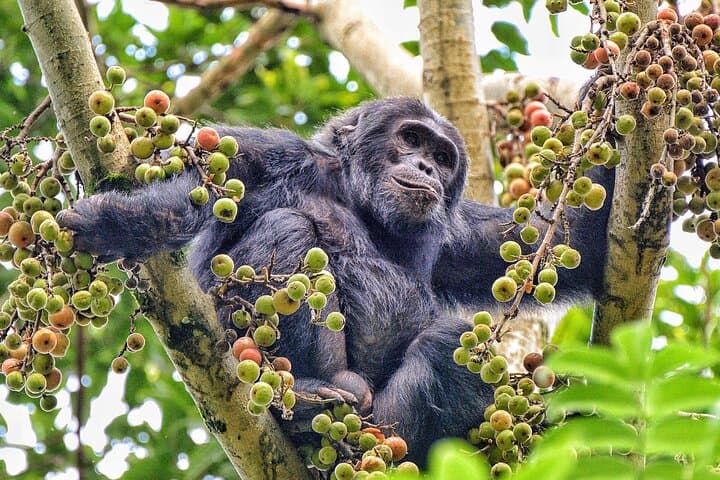
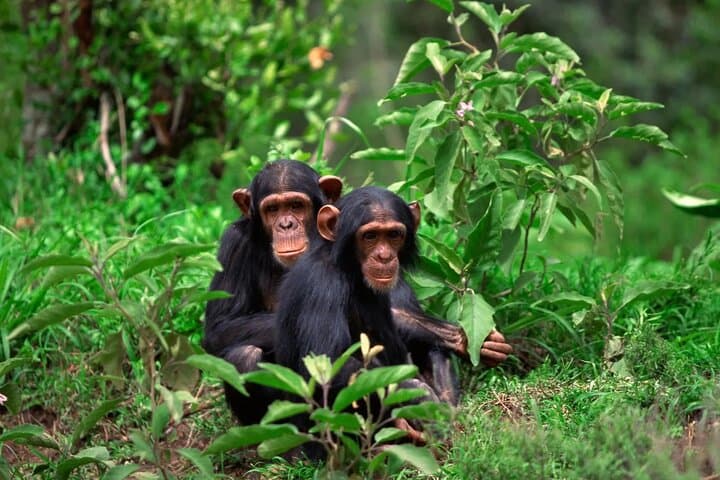
Guides manage permits and park fees, lead wildlife searches, and time the canopy walk for best light. Move deliberately on the suspension bridge, keep camera straps secure, and respect viewing distances for chimpanzees and colobus monkeys. The result is a dense, tactile day where forest, sky and river compete to be the loudest part of the experience.
moderate.
10–12 hours.
Good aerobic fitness for multiple hikes and a long day in transit; able to manage several short steep climbs.
Expect roughly 4–6 hours one-way depending on traffic and stops; the full-day tour typically runs 10–12 hours total.
The bridge is professionally maintained but it sways; visitors with severe vertigo or fear of heights should assess comfort level and consult the guide before crossing.
Chimpanzee sightings are possible but not guaranteed on a single day; the park supports habituated groups and guides maximize chance, but sightings depend on animal movement and time spent tracking.
Tours often include park entrance fees, but confirm at booking; Nyungwe park fees are charged per person and may be listed separately on your itinerary.
Nyungwe’s forested ridges have been continuous habitat for millennia and were historically part of regional kingdom territories; recent conservation efforts reestablished park status to protect primates and watersheds.
Strict park rules, guided-only access in many zones, and community-based tourism help limit human impact—stick to trails, pack out waste, and use local guides to support conservation.
Worldwide Explorers operates guided outdoor trips and adventures with an emphasis on safety, stewardship, and memorable experiences.

The day opens before dawn in Kigali, headlights cutting into rolling hills as the city recedes and the road leans toward the western highlands. By midmorning you enter Nyungwe National Park—the air cools, the forest rises, and the canopy seems to breathe around you. The canopy walkway hangs 50 meters above the floor, a swaying artery through colobus-filled crowns; below, a hidden waterfall threads the slope and dares you closer with the steady hiss of runoff.
The day opens before dawn in Kigali, headlights cutting into rolling hills as the city recedes and the road leans toward the western highlands. By midmorning you enter Nyungwe National Park—the air cools, the forest rises, and the canopy seems to breathe around you. The canopy walkway hangs 50 meters above the floor, a swaying artery through colobus-filled crowns; below, a hidden waterfall threads the slope and dares you closer with the steady hiss of runoff.
Nyungwe is one of Africa’s oldest montane rainforests, sitting roughly between 1,600–2,950 meters elevation and carved by volcanic soils and steep ridgelines. The park’s history is tied to Rwanda’s shifting kingdoms and to longstanding conservation efforts that protect chimpanzees, large colobus troops, and a prolific bird list. Tea plantations fringe the forest—visitors can learn leaf-to-cup processing on short stops—and local guides share cultural notes about Rwandan mountain life.
Practically: expect moderate-to-strenuous hiking on uneven, often muddy trails—plan for 3–8 km of walking and short, steep elevation changes up to a few hundred meters. The full-day outing from Kigali is roughly 10–12 hours including round-trip transfer (allow ~4–6 hours driving each way depending on stops). Wear sturdy trail shoes, carry 1–2 liters of water, and layer for sudden rain and cool upland temperatures.
Guides manage permits and park fees, lead wildlife searches, and time the canopy walk for best light. Move deliberately on the suspension bridge, keep camera straps secure, and respect viewing distances for chimpanzees and colobus monkeys. The result is a dense, tactile day where forest, sky and river compete to be the loudest part of the experience.