THE ADVENTURE COLLECTIVE® · Independent discovery and booking for outdoor travel

In a single day from Tokyo you can move from ornate World Heritage shrines to the thunder of Kegon Falls. This practical guide explains what to expect—timing, terrain and local tips—for a full-day Nikko excursion.
In a single day from Tokyo you can move from ornate World Heritage shrines to the thunder of Kegon Falls. This practical guide explains what to expect—timing, terrain and local tips—for a full-day Nikko excursion.
Mornings on the JR train out of Tokyo feel like a reel of changing countryside: rice paddies shrink, cedar forests thicken, and the air cools as the city loosens its grip. By mid-morning the vermilion curve of Shinkyo Bridge announces Nikko—a precise slice of sacred Japan where carved stone, lacquered gates and a river that seems to dare you to cross it set the tone.
Verified experiences and guided adventures in the surrounding area.
Operated by Fulfilling Inc. · Nikko, Tochigi
Mornings on the JR train out of Tokyo feel like a reel of changing countryside: rice paddies shrink, cedar forests thicken, and the air cools as the city loosens its grip. By mid-morning the vermilion curve of Shinkyo Bridge announces Nikko—a precise slice of sacred Japan where carved stone, lacquered gates and a river that seems to dare you to cross it set the tone.
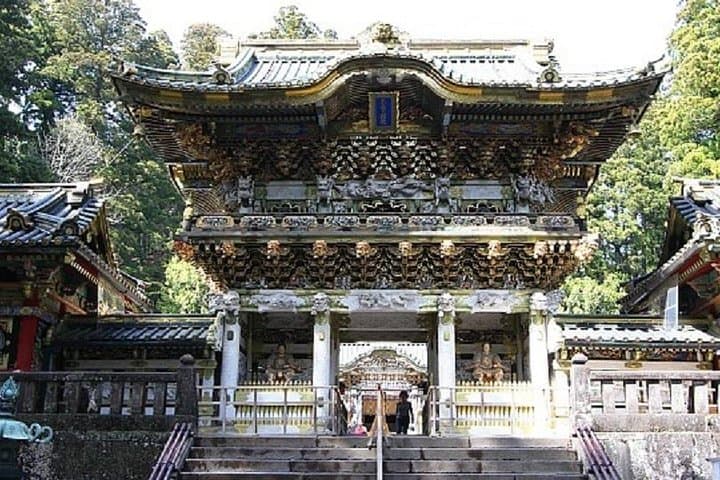
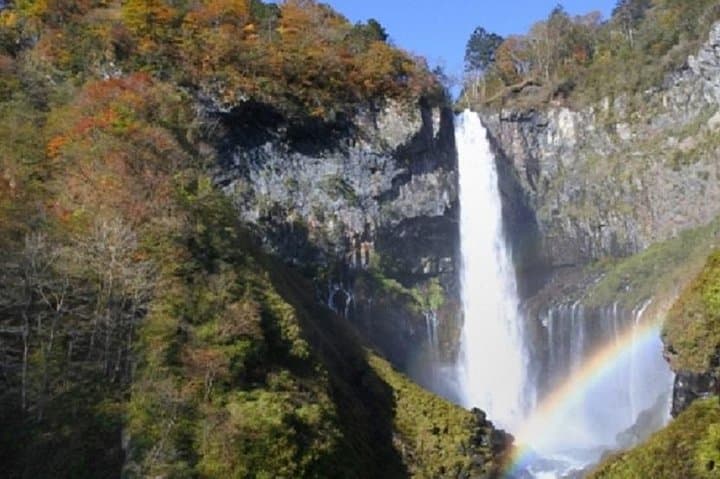
Toshogu Shrine, an Edo-period extravaganza, holds lacquered carvings and the famous three wise monkeys; it speaks to Tokugawa Ieyasu’s political and spiritual legacy more than a simple shrine, a place where faith and power were deliberately framed. Geologically, the region rides a volcanic shoulder: Lake Chuzenji sits high in a caldera and Kegon Falls rushes 97 meters from the lake into the valley below, the mist pushing visitors to the viewing railings.
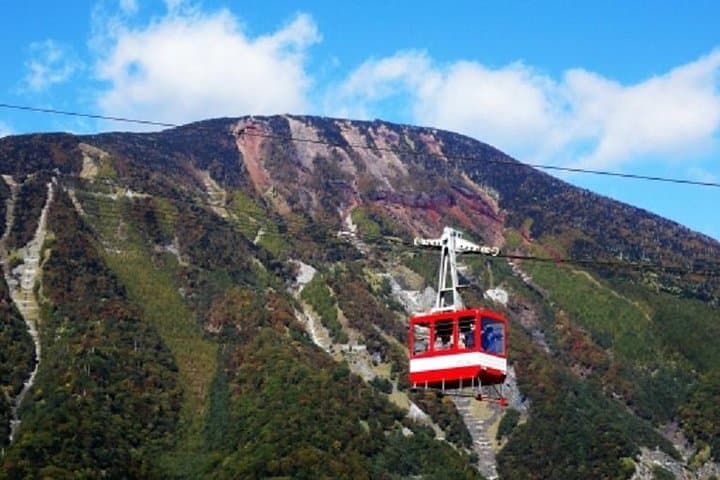
The itinerary folds culture and landscape into one day: shrine courtyards and ornate gates in the morning, a lakeside ropeway and observation deck in afternoon light. Expect paved walkways, short stair sections at shrine complexes, and a ropeway ascent with panoramic exposure—no technical skills required but some stair-climbing and steady footing are necessary.
Practical edge: start early to beat afternoon crowds, carry cash for smaller temple shops and optional admissions, and bring a light waterproof—spray from Kegon can chill even on a warm day. Comfortable walking shoes, layered clothing and a camera with quick-access settings will make the day efficient and memorable.
easy.
7–8 hours.
Suitable for travelers in normal walking shape; expect walking on paved paths and some stair sections.
Trains typically take about two hours from central Tokyo to Tobu or JR Nikko stations depending on departure and route.
This tour notes that admissions are not always included—bring cash for temple and museum entrance fees unless your booking specifies otherwise.
Main approaches and some facilities are accessible, but expect stairs at shrine complexes and uneven surfaces in parts—check specifics if accessibility is critical.
Yes; the itinerary includes a lunch stop and time for browsing near Toshogu and the lakeside area, though time is limited on a one-day schedule.
Nikko became a major political and religious center in the early Edo period after Tokugawa Ieyasu was enshrined at Toshogu; the complex is a showcase of Edo-era art and shinto-buddhist syncretism.
High visitorship pressures paths and lakeshores—stay on marked trails, carry out trash, and avoid feeding wildlife to protect fragile alpine ecosystems.
Fulfilling Inc. operates guided outdoor trips and adventures with an emphasis on safety, stewardship, and memorable experiences.
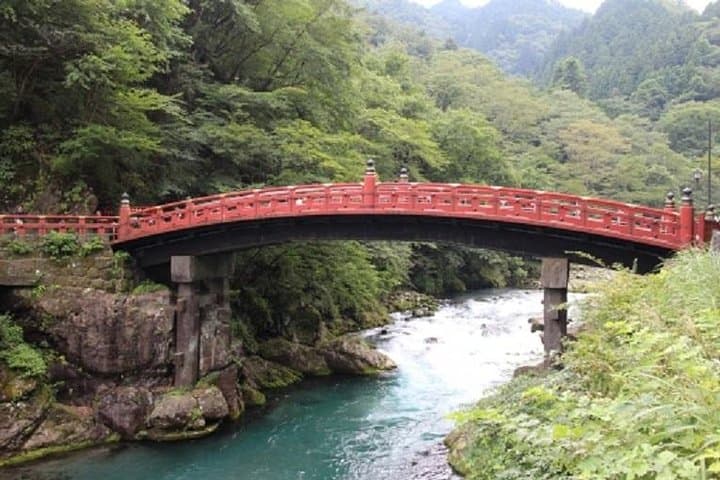
Mornings on the JR train out of Tokyo feel like a reel of changing countryside: rice paddies shrink, cedar forests thicken, and the air cools as the city loosens its grip. By mid-morning the vermilion curve of Shinkyo Bridge announces Nikko—a precise slice of sacred Japan where carved stone, lacquered gates and a river that seems to dare you to cross it set the tone.
Mornings on the JR train out of Tokyo feel like a reel of changing countryside: rice paddies shrink, cedar forests thicken, and the air cools as the city loosens its grip. By mid-morning the vermilion curve of Shinkyo Bridge announces Nikko—a precise slice of sacred Japan where carved stone, lacquered gates and a river that seems to dare you to cross it set the tone.
Toshogu Shrine, an Edo-period extravaganza, holds lacquered carvings and the famous three wise monkeys; it speaks to Tokugawa Ieyasu’s political and spiritual legacy more than a simple shrine, a place where faith and power were deliberately framed. Geologically, the region rides a volcanic shoulder: Lake Chuzenji sits high in a caldera and Kegon Falls rushes 97 meters from the lake into the valley below, the mist pushing visitors to the viewing railings.
The itinerary folds culture and landscape into one day: shrine courtyards and ornate gates in the morning, a lakeside ropeway and observation deck in afternoon light. Expect paved walkways, short stair sections at shrine complexes, and a ropeway ascent with panoramic exposure—no technical skills required but some stair-climbing and steady footing are necessary.
Practical edge: start early to beat afternoon crowds, carry cash for smaller temple shops and optional admissions, and bring a light waterproof—spray from Kegon can chill even on a warm day. Comfortable walking shoes, layered clothing and a camera with quick-access settings will make the day efficient and memorable.