THE ADVENTURE COLLECTIVE® · Independent discovery and booking for outdoor travel

Spend a private day exploring Nikko’s UNESCO Toshogu Shrine, crossing the timber Shinkyo Bridge, circling Lake Chūzenji and standing above the 97m Kegon Falls. This guided route blends history, geology and accessible mountain scenery—ideal for a full-day escape from Tokyo.
Spend a private day exploring Nikko’s UNESCO Toshogu Shrine, crossing the timber Shinkyo Bridge, circling Lake Chūzenji and standing above the 97m Kegon Falls. This guided route blends history, geology and accessible mountain scenery—ideal for a full-day escape from Tokyo.
You step off the air‑conditioned vehicle into a cool mountain air that feels a world away from Tokyo’s high-rise heat. Rice fields give way to cedar avenues, and the carved gates of Toshogu sit flush with centuries of incense and lacquer. The Daiya River threads the valley, daring you to follow its course toward the red span of Shinkyo and the high rim above Lake Chūzenji.
Verified experiences and guided adventures in the surrounding area.
Operated by Azu International Tours · Nikkō, Tochigi Prefecture
You step off the air‑conditioned vehicle into a cool mountain air that feels a world away from Tokyo’s high-rise heat. Rice fields give way to cedar avenues, and the carved gates of Toshogu sit flush with centuries of incense and lacquer. The Daiya River threads the valley, daring you to follow its course toward the red span of Shinkyo and the high rim above Lake Chūzenji.
Toshogu dates to the early 17th century and honors Tokugawa Ieyasu; its lacquered carvings and layered roofs are a clear record of Edo‑period craftsmanship. Geologically, the basin around Lake Chūzenji was formed when Mount Nantai’s eruption blocked a river some 20,000 years ago—today the lake’s surface reflects the mountains that made it. Kegon Falls, cut where lava rerouted the Daiya River, drops nearly 97 meters and shows how volcanism reshaped the landscape.
Culturally, Nikko blends Shinto and Buddhist practices—shrines, bridges, and pilgrims’ paths remain active sites. Local life leans mountain‑slow: tea houses, wooden inns, and riverside trails that rarely feel rushed.
Practical guidance: this private, full‑day tour moves by vehicle and is suitable for most fitness levels; expect short walks, steps at shrine complexes, and viewpoints that require brief climbs. Bring layered clothing, cash for small shrine fees and souvenirs, and waterproofs in spring and autumn. Aim for an early departure to catch softer light at Toshogu and avoid late‑afternoon crowds at Kegon Falls. Your guide can customize stops and pacing—use that flexibility to trade a longer lakeside linger for extra time at the shrine complex.
easy.
10 hours.
Suitable for most people who can handle short walks and stairs; no sustained hiking required
Entry fees are not typically included in the base tour price; expect separate admission charges for Toshogu areas and the Kegon Falls observation elevator.
The tour includes private transportation, but pickup point and time are arranged at booking—confirm your preferred meeting or pickup location with the operator.
Many areas and the vehicle are wheelchair accessible, but some shrine buildings and observation points have steps; inform the operator in advance to plan accessible routes.
Yes—this private tour is designed to be flexible; guides can adjust time at each site based on interests and mobility.
Toshogu Shrine complex was established in the early 1600s to enshrine Tokugawa Ieyasu and became a lavish display of Edo‑period temple and shrine architecture.
Nikkō National Park protects volcanic landscapes and old-growth cedar; visitors are encouraged to stay on trails, pack out trash and respect shrine sites to minimize impact.
Azu International Tours operates guided outdoor trips and adventures with an emphasis on safety, stewardship, and memorable experiences.


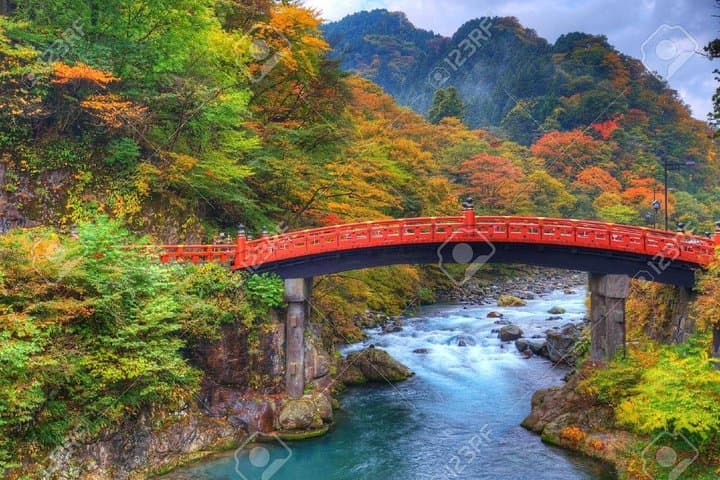
You step off the air‑conditioned vehicle into a cool mountain air that feels a world away from Tokyo’s high-rise heat. Rice fields give way to cedar avenues, and the carved gates of Toshogu sit flush with centuries of incense and lacquer. The Daiya River threads the valley, daring you to follow its course toward the red span of Shinkyo and the high rim above Lake Chūzenji.
You step off the air‑conditioned vehicle into a cool mountain air that feels a world away from Tokyo’s high-rise heat. Rice fields give way to cedar avenues, and the carved gates of Toshogu sit flush with centuries of incense and lacquer. The Daiya River threads the valley, daring you to follow its course toward the red span of Shinkyo and the high rim above Lake Chūzenji.
Toshogu dates to the early 17th century and honors Tokugawa Ieyasu; its lacquered carvings and layered roofs are a clear record of Edo‑period craftsmanship. Geologically, the basin around Lake Chūzenji was formed when Mount Nantai’s eruption blocked a river some 20,000 years ago—today the lake’s surface reflects the mountains that made it. Kegon Falls, cut where lava rerouted the Daiya River, drops nearly 97 meters and shows how volcanism reshaped the landscape.
Culturally, Nikko blends Shinto and Buddhist practices—shrines, bridges, and pilgrims’ paths remain active sites. Local life leans mountain‑slow: tea houses, wooden inns, and riverside trails that rarely feel rushed.
Practical guidance: this private, full‑day tour moves by vehicle and is suitable for most fitness levels; expect short walks, steps at shrine complexes, and viewpoints that require brief climbs. Bring layered clothing, cash for small shrine fees and souvenirs, and waterproofs in spring and autumn. Aim for an early departure to catch softer light at Toshogu and avoid late‑afternoon crowds at Kegon Falls. Your guide can customize stops and pacing—use that flexibility to trade a longer lakeside linger for extra time at the shrine complex.