THE ADVENTURE COLLECTIVE® · Independent discovery and booking for outdoor travel

Cross the border from Liberia for a privately guided, full-day sweep of southern Nicaragua—volcanic craters, colonial Granada and a sunset boat ride among the lake’s islets. Expect long travel segments balanced with concentrated stops for views, markets and wildlife.
Cross the border from Liberia for a privately guided, full-day sweep of southern Nicaragua—volcanic craters, colonial Granada and a sunset boat ride among the lake’s islets. Expect long travel segments balanced with concentrated stops for views, markets and wildlife.
The day begins before dawn as a private minivan eases out of Liberia and traces the quiet road toward the Costa Rica–Nicaragua border. Early-morning air-conditioning hums against the hum of tires; your guide handles passport checks while the landscape shifts from Guanacaste dry forest to the softer, greener valley approaching Lake Nicaragua.
Verified experiences and guided adventures in the surrounding area.
Operated by Guanacaste Airport Shuttle Cr · Liberia, Guanacaste
The day begins before dawn as a private minivan eases out of Liberia and traces the quiet road toward the Costa Rica–Nicaragua border. Early-morning air-conditioning hums against the hum of tires; your guide handles passport checks while the landscape shifts from Guanacaste dry forest to the softer, greener valley approaching Lake Nicaragua.
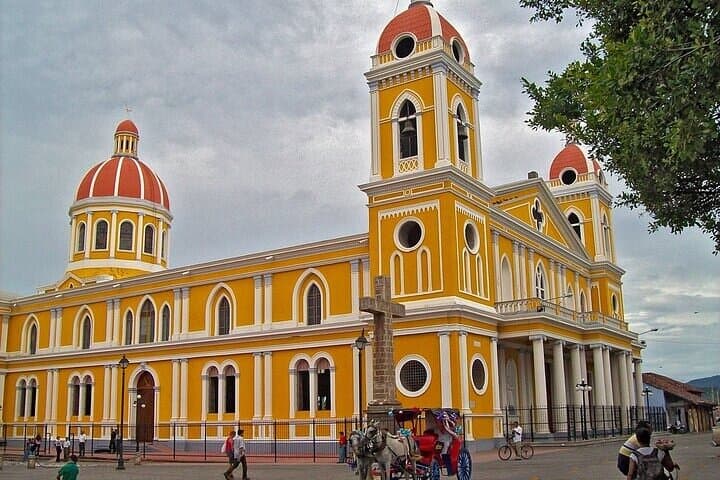
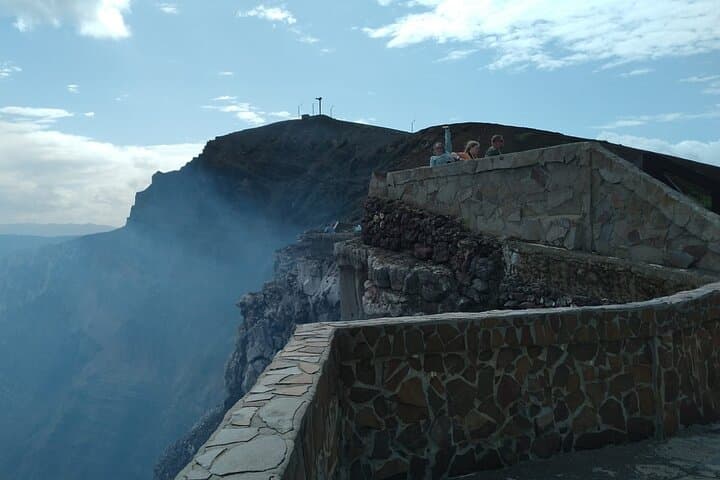
Historically this corridor links colonial Granada with the restless Masaya volcano; Granada’s 16th-century streets reflect Spanish urban planning while Masaya’s eruptions shaped the region’s black volcanic soils. Geologically the Mombacho and Masaya complexes are volcanic neighbors—one cloaked in cloud forest, the other still simmering with fumaroles—and the islets of Granada are fragments of older volcanic activity scattered across the lake.
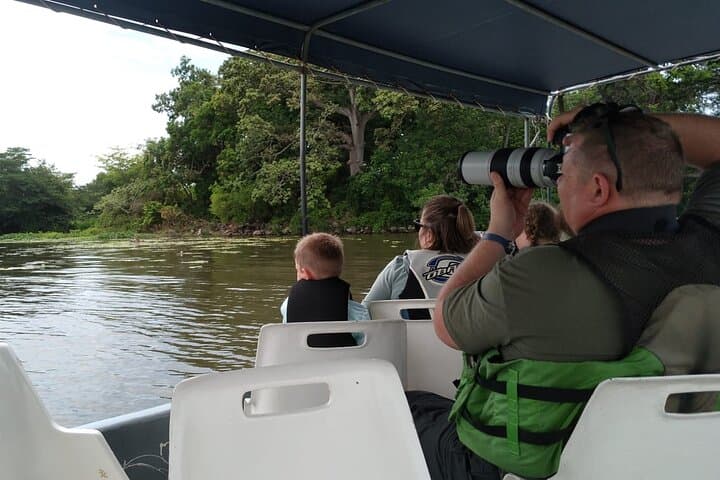
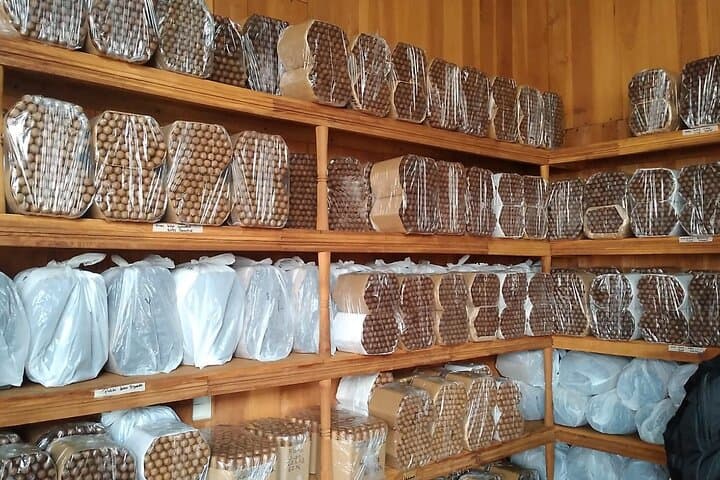
Culturally the trip threads markets, churches and a handicraft tradition where artisans sell carved gourds and woven goods. On the water the islets dare you to watch how small boats and monkey-filled islets respond to sunset light; currents push the boat gently around marshy edges.
Practical guidance: plan for a long day—pickup around 5 a.m., return after sunset—carry a valid passport with at least six months’ validity and any required visas. Footwear should be sturdy but comfortable for short walks and cobbled streets; a light rain layer is wise during the wet season. Bring local currency for market purchases, plus bottled water and sunscreen. Expect about 10 hours of travel with several short stops: viewpoints, a handicraft market, volcano lookout, colonial Granada, and a one-hour lake boat ride that often includes wildlife viewing. Mobile connectivity may be intermittent; lean on your guide for logistics and border procedures.
easy.
10 hours.
Suitable for most travelers in average fitness; includes short walks, stairs and a boat ride.
Visa rules depend on nationality—check entry requirements before travel and carry any required documents; the guide assists with border formalities but does not guarantee entry.
The guide estimates about 30 minutes for the crossing, but allow extra time for queues or customs checks during busy periods.
Yes; boats are standard tourist craft and life jackets are typically provided, but supervise children closely and request life jackets when boarding.
Stops include a guided visit to central Granada and the Iglesia de La Merced rooftop; there’s limited free time for photos or quick shopping but not lengthy independent exploration.
Granada is one of the oldest Spanish colonial towns in the Americas; Masaya’s volcanic activity has influenced local settlement patterns and agricultural soils for centuries.
Respect wildlife by not feeding animals and by following local rules on Monkey Island; cross-border tourism requires attention to waste management—use bottled water responsibly and avoid single-use plastics when possible.
Guanacaste Airport Shuttle Cr operates guided outdoor trips and adventures with an emphasis on safety, stewardship, and memorable experiences.
The day begins before dawn as a private minivan eases out of Liberia and traces the quiet road toward the Costa Rica–Nicaragua border. Early-morning air-conditioning hums against the hum of tires; your guide handles passport checks while the landscape shifts from Guanacaste dry forest to the softer, greener valley approaching Lake Nicaragua.
The day begins before dawn as a private minivan eases out of Liberia and traces the quiet road toward the Costa Rica–Nicaragua border. Early-morning air-conditioning hums against the hum of tires; your guide handles passport checks while the landscape shifts from Guanacaste dry forest to the softer, greener valley approaching Lake Nicaragua.
Historically this corridor links colonial Granada with the restless Masaya volcano; Granada’s 16th-century streets reflect Spanish urban planning while Masaya’s eruptions shaped the region’s black volcanic soils. Geologically the Mombacho and Masaya complexes are volcanic neighbors—one cloaked in cloud forest, the other still simmering with fumaroles—and the islets of Granada are fragments of older volcanic activity scattered across the lake.
Culturally the trip threads markets, churches and a handicraft tradition where artisans sell carved gourds and woven goods. On the water the islets dare you to watch how small boats and monkey-filled islets respond to sunset light; currents push the boat gently around marshy edges.
Practical guidance: plan for a long day—pickup around 5 a.m., return after sunset—carry a valid passport with at least six months’ validity and any required visas. Footwear should be sturdy but comfortable for short walks and cobbled streets; a light rain layer is wise during the wet season. Bring local currency for market purchases, plus bottled water and sunscreen. Expect about 10 hours of travel with several short stops: viewpoints, a handicraft market, volcano lookout, colonial Granada, and a one-hour lake boat ride that often includes wildlife viewing. Mobile connectivity may be intermittent; lean on your guide for logistics and border procedures.