THE ADVENTURE COLLECTIVE® · Independent discovery and booking for outdoor travel

Travel by Nankai train for a full‑day cultural walk on Koyasan: explore Garan’s pagoda, walk Okunoin’s haunting cemetery approach, and taste centuries-old Shojin Ryori at a temple. This one-day journey pairs accessible trails with deep religious history.
Travel by Nankai train for a full‑day cultural walk on Koyasan: explore Garan’s pagoda, walk Okunoin’s haunting cemetery approach, and taste centuries-old Shojin Ryori at a temple. This one-day journey pairs accessible trails with deep religious history.
Stepping off the Nankai train at Gokurakubashi, the air changes: pine needles and cool mountain air meet the hush of temple bells, and the bus climbs toward Koyasan’s wooden town perched on a plateau.
Verified experiences and guided adventures in the surrounding area.
Operated by H.I.S.Co., Ltd. · Koyasan, Wakayama Prefecture
Stepping off the Nankai train at Gokurakubashi, the air changes: pine needles and cool mountain air meet the hush of temple bells, and the bus climbs toward Koyasan’s wooden town perched on a plateau.
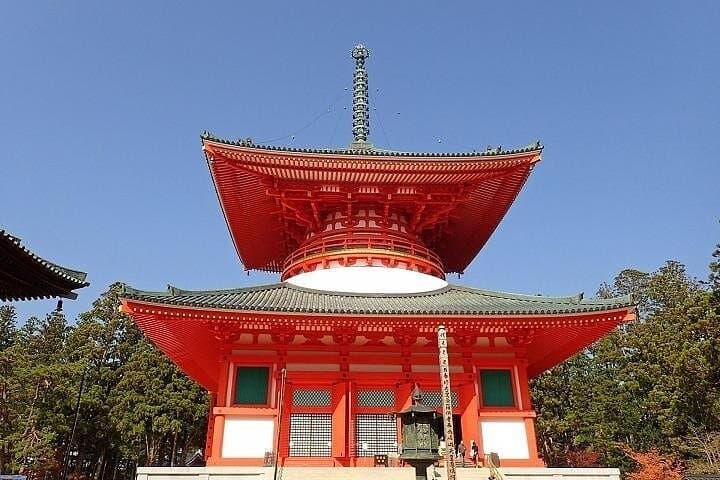
The day unfolds along broad stone approaches and shaded cedar avenues into the heart of Shingon Buddhism. Visitors pass the two-tiered Konpon Daito pagoda — its vermilion frame holding a three-dimensional mandala — then move through Garan’s Kondo Hall where centuries of rebuilding sit beside living ritual. Okunoin’s two-kilometer cemetery approach feels like a living archive; over 200,000 grave markers edge the mossed lanes and demand a respectful pace and quiet reflection.
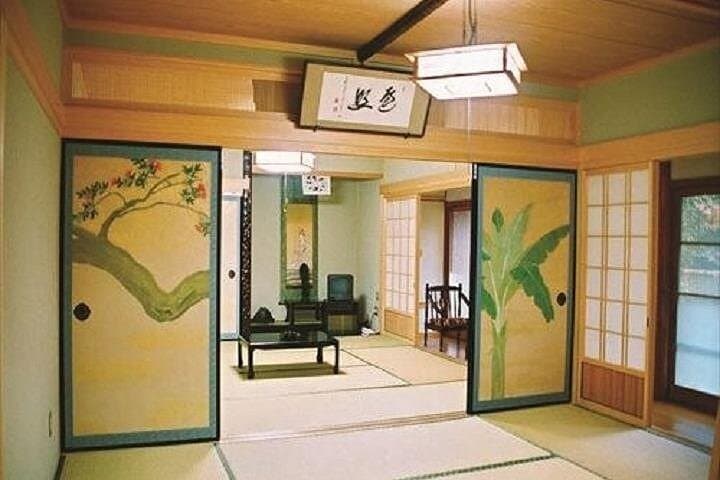
Geologically, Koyasan occupies an eroded caldera rim in Wakayama Prefecture; soils are acidic, cedars grow straight and tall, and the mountain’s sheltered bowl produces mist that lingers in the mornings. Culturally, the town is a working temple community: shukubo (temple lodgings) serve Shojin Ryori — plant-based, seasonal Buddhist cuisine — and morning sutra chanting still shapes daily life.
Practical guidance: the full itinerary is a roughly 8‑hour round trip from Osaka using Nankai rail and local buses. Expect mostly paved and well-maintained paths with some uneven stone surfaces in the cemetery; comfortable, grippy footwear is recommended. Bring a refillable water bottle, modest clothing for temple entry, and an extra layer for variable mountain weather. Photography is welcome in many outdoor areas but follow signs inside sanctuaries and bow when crossing the Ichinohashi bridge at Okunoin. The tour packs cultural depth into a single day while leaving room to move at the temple town’s deliberate tempo.
easy.
8 hours.
Suitable for most fitness levels; involves walking up to several kilometers on paved and stone surfaces with standing time at sites
Expect roughly 8 hours door-to-door, including Nankai train, local bus transfers, and time at temple sites and lunch.
Yes — the itinerary is designed as ‘physical easy’ with mostly paved walking; mobility limitations should be noted at booking for accommodations.
Yes — Shojin Ryori is traditional Buddhist vegetarian cuisine served at a shukubo and is included in the tour.
Yes — the tour includes Nankai train/bus round trip and admissions listed in the itinerary, plus an English-speaking guide.
Koyasan was established in 805 by Kobo Daishi (Kukai) as the center of Shingon Buddhism; Okunoin houses his mausoleum and has drawn pilgrims for over a millennium.
The temple town manages foot traffic to protect old-growth cedars and moss beds; visitors should stay on paths, avoid littering, and follow quiet practices to reduce disturbance.
H.I.S.Co., Ltd. operates guided outdoor trips and adventures with an emphasis on safety, stewardship, and memorable experiences.
Stepping off the Nankai train at Gokurakubashi, the air changes: pine needles and cool mountain air meet the hush of temple bells, and the bus climbs toward Koyasan’s wooden town perched on a plateau.
Stepping off the Nankai train at Gokurakubashi, the air changes: pine needles and cool mountain air meet the hush of temple bells, and the bus climbs toward Koyasan’s wooden town perched on a plateau.
The day unfolds along broad stone approaches and shaded cedar avenues into the heart of Shingon Buddhism. Visitors pass the two-tiered Konpon Daito pagoda — its vermilion frame holding a three-dimensional mandala — then move through Garan’s Kondo Hall where centuries of rebuilding sit beside living ritual. Okunoin’s two-kilometer cemetery approach feels like a living archive; over 200,000 grave markers edge the mossed lanes and demand a respectful pace and quiet reflection.
Geologically, Koyasan occupies an eroded caldera rim in Wakayama Prefecture; soils are acidic, cedars grow straight and tall, and the mountain’s sheltered bowl produces mist that lingers in the mornings. Culturally, the town is a working temple community: shukubo (temple lodgings) serve Shojin Ryori — plant-based, seasonal Buddhist cuisine — and morning sutra chanting still shapes daily life.
Practical guidance: the full itinerary is a roughly 8‑hour round trip from Osaka using Nankai rail and local buses. Expect mostly paved and well-maintained paths with some uneven stone surfaces in the cemetery; comfortable, grippy footwear is recommended. Bring a refillable water bottle, modest clothing for temple entry, and an extra layer for variable mountain weather. Photography is welcome in many outdoor areas but follow signs inside sanctuaries and bow when crossing the Ichinohashi bridge at Okunoin. The tour packs cultural depth into a single day while leaving room to move at the temple town’s deliberate tempo.