THE ADVENTURE COLLECTIVE® · Independent discovery and booking for outdoor travel

Climb Mount Bisoke in a long day from Musanze, across bamboo forests and volcanic ridges to a 3,711 m crater lake. This guided route combines steady uphill sections, muddy trails, and high-altitude views — best for hikers with moderate fitness and good boots.
Climb Mount Bisoke in a long day from Musanze, across bamboo forests and volcanic ridges to a 3,711 m crater lake. This guided route combines steady uphill sections, muddy trails, and high-altitude views — best for hikers with moderate fitness and good boots.
The trail begins in crisp, highland air as Musanze falls away and the forest climbs. Trees close in, moss slicking roots underfoot, and the path angles upward through bamboo stands that hush the wind; volcano slopes press around you, the crater lake at Bisoke’s summit waiting like a still eye.
Verified experiences and guided adventures in the surrounding area.
Operated by Rwagasabo Safaris · Musanze, Northern Province
The trail begins in crisp, highland air as Musanze falls away and the forest climbs. Trees close in, moss slicking roots underfoot, and the path angles upward through bamboo stands that hush the wind; volcano slopes press around you, the crater lake at Bisoke’s summit waiting like a still eye.
Bisoke sits on the Virunga volcanic chain and reaches 3,711 m, its crater lake a striking blue-green carved into cooled lava and ash. The area holds modern conservation history — Dian Fossey's Karisoke research legacy shaped protections for mountain gorillas in these same ranges — and the human footprint is cautious: ranger posts, regulated trails, and controlled group sizes.
Geology here is active story-telling: alternating layers of lava flows and volcanic ash, steep ridgelines and the nearly circular crater that catches mist and sun differently by hour. Culturally, nearby communities in Musanze have long depended on these slopes for grazing and small-scale agriculture; today eco-tourism provides income tied to strict park rules.
Practical guidance: expect a steep, sustained ascent with muddy sections and exposed rocky scrambles near the top. The hike is typically 6–9 hours round-trip depending on pace and conditions. Start early to avoid afternoon clouds, carry 2–3 liters of water, and wear grippy boots — the last stretch can be loose and wet. Rangers lead the route and an entry permit is included; be prepared for cooler temperatures at altitude and sudden rain. Move deliberately, respect wildlife, and let the mountain set the rhythm — the crater lake rewards steady effort with raw, high-altitude silence and wide, volcanic views.
moderate.
6–9 hours.
Moderate — able to sustain steady uphill hiking for several hours with frequent short breaks
Guides list the excursion as 6–9 hours round-trip; the climb is steady with some steep stretches and muddy or rocky terrain, suitable for hikers with moderate fitness.
Yes — entry permit and guiding are included in the tour price; rangers accompany groups to enforce park rules and safety.
Mount Bisoke is in Volcanoes National Park where gorillas live, but gorilla trekking follows specific permits and routes; this hike focuses on the volcano and crater lake rather than guaranteed gorilla encounters.
Acclimatize in Musanze for a day or two, ascend at a steady pace, stay hydrated, and inform guides immediately if symptoms like severe headache or nausea occur.
Bisoke is part of the Virunga volcanic chain and sits near sites of early mountain gorilla research, including the Karisoke legacy of protection and study.
Volcanoes National Park operates strict trail controls and permits to protect fragile habitats and gorilla territories; follow Leave No Trace principles and park regulations.
Rwagasabo Safaris operates guided outdoor trips and adventures with an emphasis on safety, stewardship, and memorable experiences.
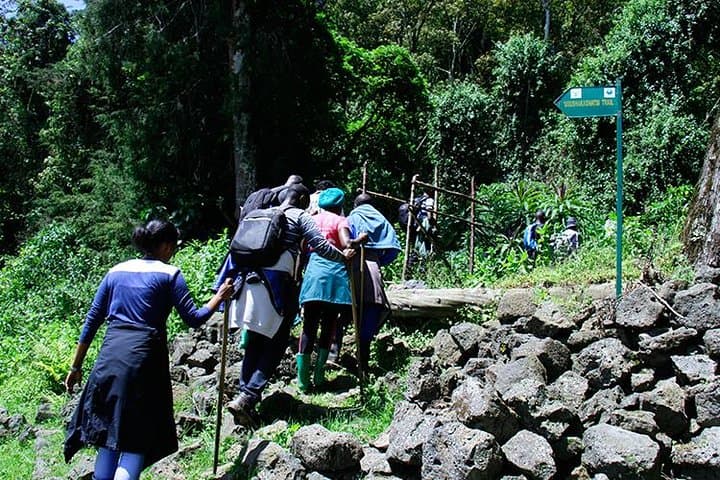
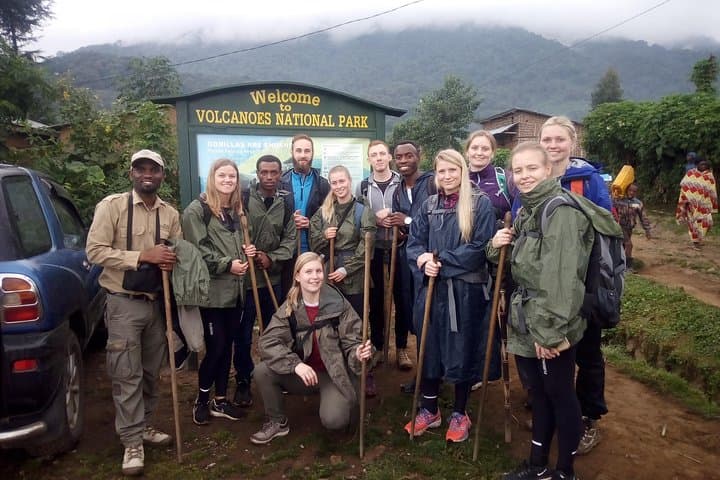
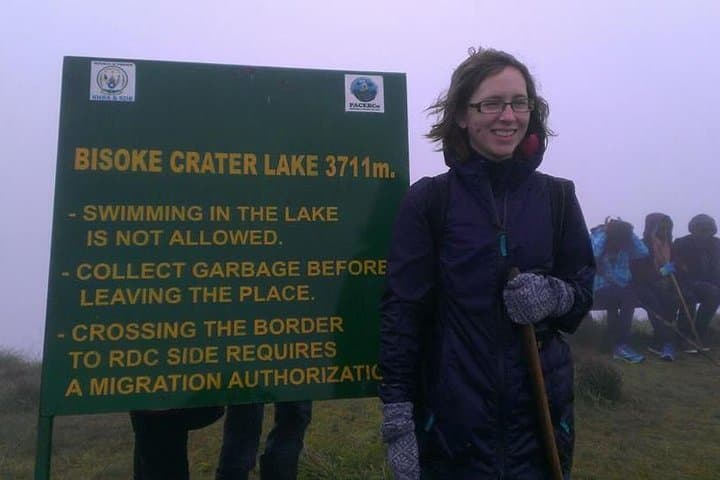
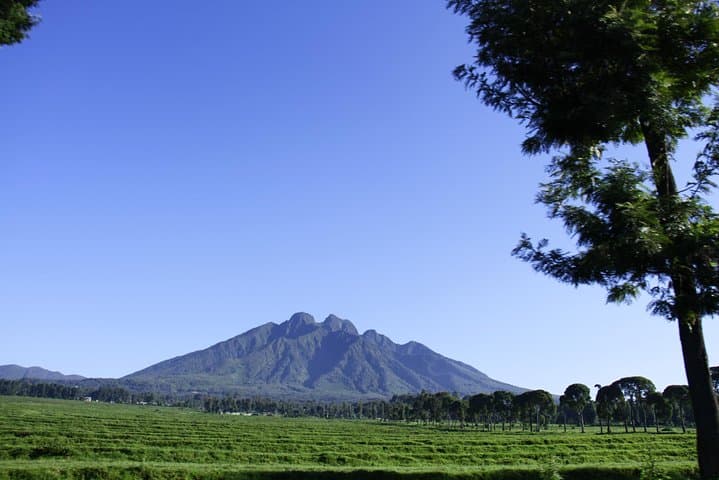
The trail begins in crisp, highland air as Musanze falls away and the forest climbs. Trees close in, moss slicking roots underfoot, and the path angles upward through bamboo stands that hush the wind; volcano slopes press around you, the crater lake at Bisoke’s summit waiting like a still eye.
The trail begins in crisp, highland air as Musanze falls away and the forest climbs. Trees close in, moss slicking roots underfoot, and the path angles upward through bamboo stands that hush the wind; volcano slopes press around you, the crater lake at Bisoke’s summit waiting like a still eye.
Bisoke sits on the Virunga volcanic chain and reaches 3,711 m, its crater lake a striking blue-green carved into cooled lava and ash. The area holds modern conservation history — Dian Fossey's Karisoke research legacy shaped protections for mountain gorillas in these same ranges — and the human footprint is cautious: ranger posts, regulated trails, and controlled group sizes.
Geology here is active story-telling: alternating layers of lava flows and volcanic ash, steep ridgelines and the nearly circular crater that catches mist and sun differently by hour. Culturally, nearby communities in Musanze have long depended on these slopes for grazing and small-scale agriculture; today eco-tourism provides income tied to strict park rules.
Practical guidance: expect a steep, sustained ascent with muddy sections and exposed rocky scrambles near the top. The hike is typically 6–9 hours round-trip depending on pace and conditions. Start early to avoid afternoon clouds, carry 2–3 liters of water, and wear grippy boots — the last stretch can be loose and wet. Rangers lead the route and an entry permit is included; be prepared for cooler temperatures at altitude and sudden rain. Move deliberately, respect wildlife, and let the mountain set the rhythm — the crater lake rewards steady effort with raw, high-altitude silence and wide, volcanic views.