THE ADVENTURE COLLECTIVE® · Independent discovery and booking for outdoor travel

See Machu Picchu in a single day via train from Cusco: a guided Circuit 2 tour, lunch in Aguas Calientes, and a full-day round trip that covers transport, entrance and returns to your hotel. Ideal for travelers short on time but wanting an expert-led visit.
See Machu Picchu in a single day via train from Cusco: a guided Circuit 2 tour, lunch in Aguas Calientes, and a full-day round trip that covers transport, entrance and returns to your hotel. Ideal for travelers short on time but wanting an expert-led visit.
Before dawn you leave Cusco and the city lights recede; the train slips along Andean valleys while peaks and terraced slopes slide past the window. By midmorning Aguas Calientes appears — a green throat at the base of the citadel — and a short bus ride delivers you to the stonework that defined an empire. Your guide leads a measured Circuit 2 walk through terraces, plazas and the Intihuatana area, explaining architecture, agricultural engineering and the rituals that shaped Inca life.
Verified experiences and guided adventures in the surrounding area.
Operated by Paqarina Journeys Peru · Aguas Calientes, Cusco Region
Before dawn you leave Cusco and the city lights recede; the train slips along Andean valleys while peaks and terraced slopes slide past the window. By midmorning Aguas Calientes appears — a green throat at the base of the citadel — and a short bus ride delivers you to the stonework that defined an empire. Your guide leads a measured Circuit 2 walk through terraces, plazas and the Intihuatana area, explaining architecture, agricultural engineering and the rituals that shaped Inca life.
Machu Picchu occupies a fold in volcanic and sedimentary geology where steep granite outcrops and river-cut gorges force dramatic elevation change. Built in the 15th century during the height of the Inca state, the site’s precise masonry and drainage systems still prompt engineering admiration. Local Quechua culture remains visible in nearby towns and in the layered agricultural plots you pass en route.
Practically: expect a long day — early pickup from Cusco, transfer to Ollantaytambo, ~2-hour train, bus to the citadel, a ~2-hour guided circuit, lunch in Aguas Calientes and an evening return. Altitude ranges from Cusco (≈3,400 m) down to Aguas Calientes (≈2,040 m) and Machu Picchu sits around 2,430 m; allow time for acclimatization if you’ve just arrived in the Sacred Valley.
Bring supportive footwear, sun and rain protection, and a modest daypack. Follow guide instructions: stay on marked paths, carry slow, steady pace on stone steps, and allow time to take in views of the Urubamba River daring the valley below. This itinerary gives a concentrated, guided glimpse of one of South America’s most iconic archaeological sites.
easy.
12 hours.
Suitable for most fitness levels; you should be able to walk on uneven ground and climb stone steps at a steady pace.
Expect about 12 hours door-to-door: early morning pickup, train and bus transfers, a ~2-hour guided Machu Picchu circuit, lunch, and an evening return to Cusco.
Yes — Cusco sits near 3,400 m; Machu Picchu is lower (~2,430 m). If you’ve just flown in, allow a day to acclimatize and watch for symptoms like headache or nausea.
The tour includes the tourist train round trip, bus between Aguas Calientes and Machu Picchu, Circuit 2 entrance ticket (subject to availability), and hotel transfers in Cusco.
Not typically — Huayna Picchu or Machu Picchu Mountain require separate permits and time; this one-day tour focuses on the standard Circuit 2 guided visit.
Built in the mid-1400s under Inca rule, Machu Picchu blends religious, residential and agricultural sectors and showcases advanced stone masonry without mortar.
Visitor numbers are regulated by time-sloted circuits and entry quotas to protect fragile stonework and the surrounding cloudforest; follow stay-on-path rules to reduce impact.
Paqarina Journeys Peru operates guided outdoor trips and adventures with an emphasis on safety, stewardship, and memorable experiences.
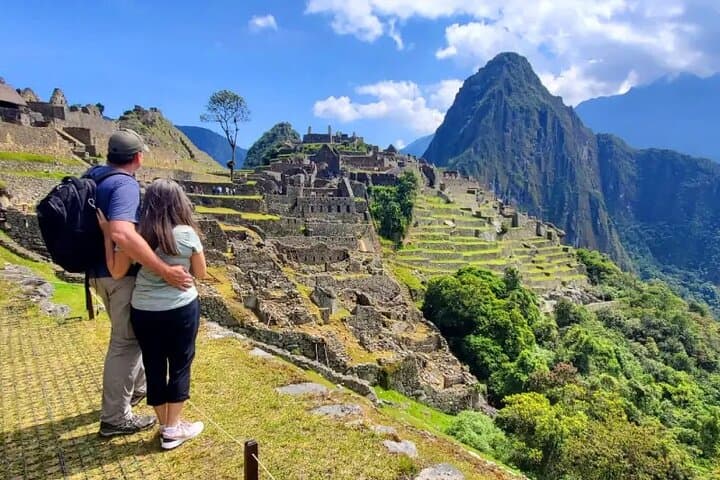
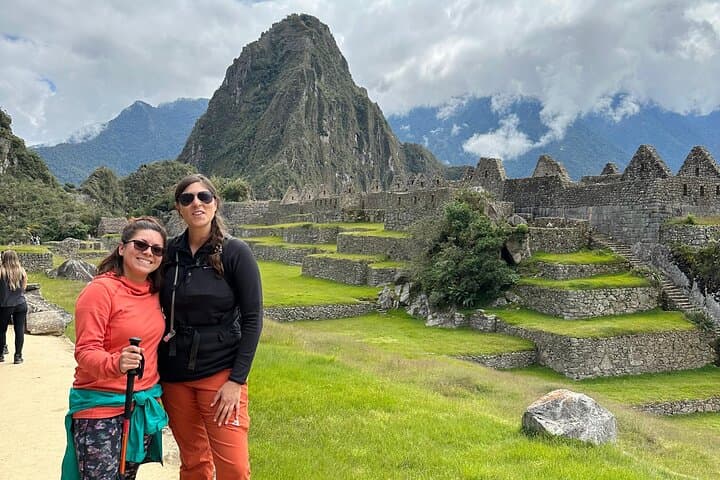
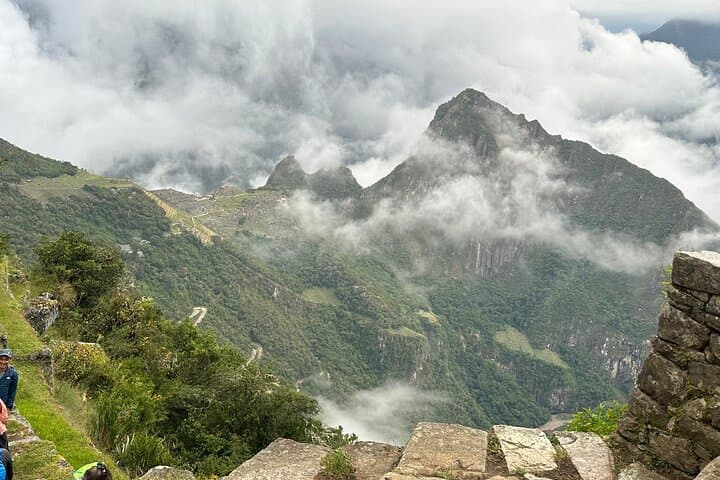
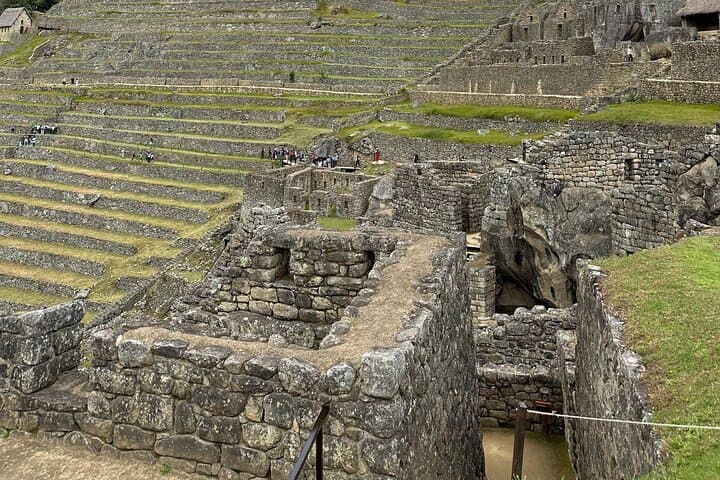
Before dawn you leave Cusco and the city lights recede; the train slips along Andean valleys while peaks and terraced slopes slide past the window. By midmorning Aguas Calientes appears — a green throat at the base of the citadel — and a short bus ride delivers you to the stonework that defined an empire. Your guide leads a measured Circuit 2 walk through terraces, plazas and the Intihuatana area, explaining architecture, agricultural engineering and the rituals that shaped Inca life.
Before dawn you leave Cusco and the city lights recede; the train slips along Andean valleys while peaks and terraced slopes slide past the window. By midmorning Aguas Calientes appears — a green throat at the base of the citadel — and a short bus ride delivers you to the stonework that defined an empire. Your guide leads a measured Circuit 2 walk through terraces, plazas and the Intihuatana area, explaining architecture, agricultural engineering and the rituals that shaped Inca life.
Machu Picchu occupies a fold in volcanic and sedimentary geology where steep granite outcrops and river-cut gorges force dramatic elevation change. Built in the 15th century during the height of the Inca state, the site’s precise masonry and drainage systems still prompt engineering admiration. Local Quechua culture remains visible in nearby towns and in the layered agricultural plots you pass en route.
Practically: expect a long day — early pickup from Cusco, transfer to Ollantaytambo, ~2-hour train, bus to the citadel, a ~2-hour guided circuit, lunch in Aguas Calientes and an evening return. Altitude ranges from Cusco (≈3,400 m) down to Aguas Calientes (≈2,040 m) and Machu Picchu sits around 2,430 m; allow time for acclimatization if you’ve just arrived in the Sacred Valley.
Bring supportive footwear, sun and rain protection, and a modest daypack. Follow guide instructions: stay on marked paths, carry slow, steady pace on stone steps, and allow time to take in views of the Urubamba River daring the valley below. This itinerary gives a concentrated, guided glimpse of one of South America’s most iconic archaeological sites.