THE ADVENTURE COLLECTIVE® · Independent discovery and booking for outdoor travel

Leave Cusco before dawn and ride the Expedition train through the Sacred Valley to Aguas Calientes, then catch the bus up to Machu Picchu for a guided exploration and free time. This full-day itinerary packs history, highland geology, and steep, rewarding walking into a long but very do-able day.
Leave Cusco before dawn and ride the Expedition train through the Sacred Valley to Aguas Calientes, then catch the bus up to Machu Picchu for a guided exploration and free time. This full-day itinerary packs history, highland geology, and steep, rewarding walking into a long but very do-able day.
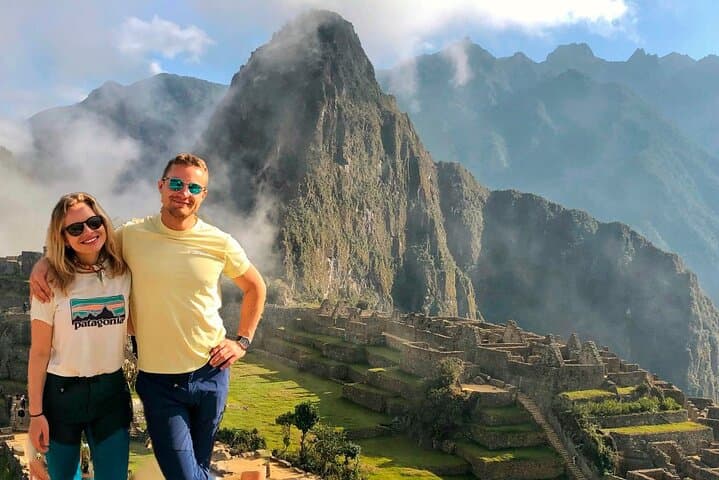
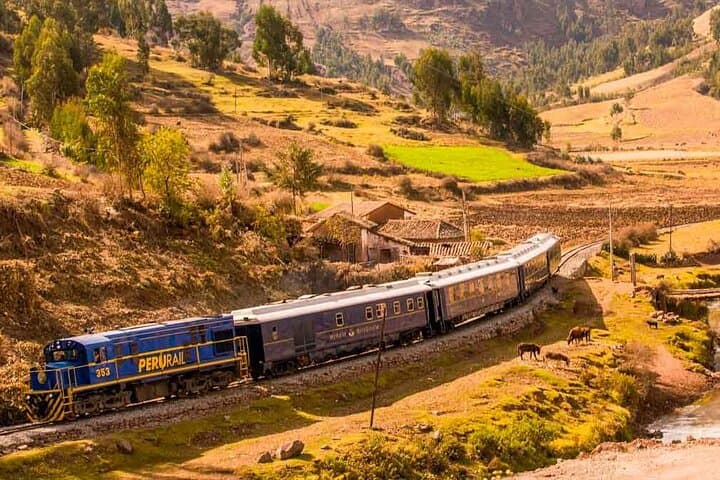
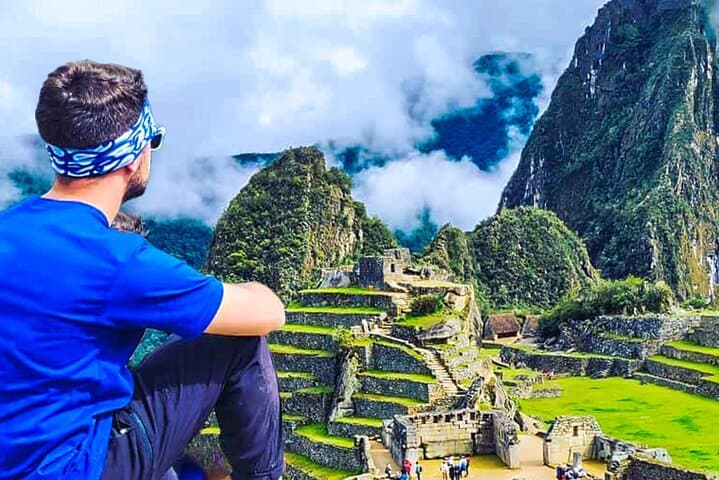
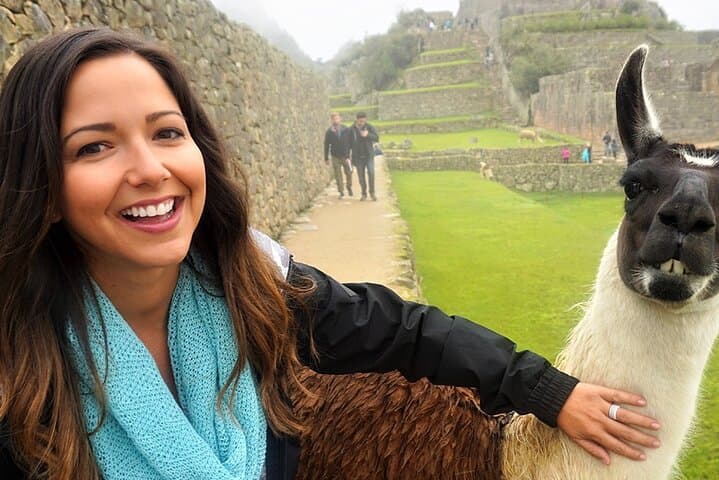
Dawn finds you in the dark streets of Cusco, breathing cold, thin air as the van threads uphill toward Ollantaytambo. The Expedition train cuts through green valleys and hairpin turns, rivers daring you to look away, until Aguas Calientes appears like a steam-washed village below cloud-clad ridges. A short bus climb later and stone terraces and trapezoidal doorways of Machu Picchu unfold — abrupt, rugged, alive.
Verified experiences and guided adventures in the surrounding area.
Operated by Yapa Explorers · Aguas Calientes, Cusco Region
Dawn finds you in the dark streets of Cusco, breathing cold, thin air as the van threads uphill toward Ollantaytambo. The Expedition train cuts through green valleys and hairpin turns, rivers daring you to look away, until Aguas Calientes appears like a steam-washed village below cloud-clad ridges. A short bus climb later and stone terraces and trapezoidal doorways of Machu Picchu unfold — abrupt, rugged, alive.
Built by the Inca in the 15th century on a granitic outcrop carved by Andean uplift and Pleistocene glaciers, Machu Picchu sits at roughly 2,430 m above sea level. The citadel’s agricultural terraces, finely cut andesite structures, and steep stairways reflect engineering adapted to seismic slopes and high-rainfall microclimates. The site’s modern story began in 1911 with Hiram Bingham’s rediscovery and continues as a living cultural landscape for Andean communities.
Practically, the tour is a long day: expect ~15 hours from hotel pickup in Cusco, early-morning train departures, a guided 2-hour site walk, then free time before the return train and late-night arrival in Cusco. Terrain at Machu Picchu is uneven cobbles, stepped terraces, and narrow paths with sudden drops — plan for repeated climbs and descents totaling several hundred meters of short elevation changes during your visit.
To make the most of it, acclimatize in Cusco for 24–48 hours, carry water and layered weather protection, book your passport-linked entrance in advance, and aim for the earliest train to beat afternoon clouds and crowds. The experience balances archaeological wonder with physical rhythm: steady, breathy, unforgettable.
moderate.
About 15 hours (full-day tour).
Should be comfortable walking on uneven surfaces for several hours and handling repeated short climbs; moderate cardiovascular fitness recommended.
The typical guided tour included on this trip lasts about two hours, covering major sectors like the Main Plaza, Temple of the Three Windows, and agricultural terraces.
This tour includes the Machu Picchu entrance ticket; however, your passport information must match the ticket, so bring the same ID used at booking.
No — the tour involves stairs and uneven surfaces and is not recommended for travelers with serious spinal, cardiac, or pregnancy-related conditions.
Expect to arrive back in Cusco around 22:00–23:00 depending on train schedules and road conditions; the full itinerary is approximately 15 hours long.
Machu Picchu was built in the mid-1400s as an elite Inca estate and ceremonial center and was brought to wider international attention after Hiram Bingham documented it in 1911.
Visitor numbers are regulated with timed entry and mandatory guides to reduce erosion; stick to marked paths and carry out any trash to protect the fragile highland ecosystem.
Yapa Explorers operates guided outdoor trips and adventures with an emphasis on safety, stewardship, and memorable experiences.
Dawn finds you in the dark streets of Cusco, breathing cold, thin air as the van threads uphill toward Ollantaytambo. The Expedition train cuts through green valleys and hairpin turns, rivers daring you to look away, until Aguas Calientes appears like a steam-washed village below cloud-clad ridges. A short bus climb later and stone terraces and trapezoidal doorways of Machu Picchu unfold — abrupt, rugged, alive.
Dawn finds you in the dark streets of Cusco, breathing cold, thin air as the van threads uphill toward Ollantaytambo. The Expedition train cuts through green valleys and hairpin turns, rivers daring you to look away, until Aguas Calientes appears like a steam-washed village below cloud-clad ridges. A short bus climb later and stone terraces and trapezoidal doorways of Machu Picchu unfold — abrupt, rugged, alive.
Built by the Inca in the 15th century on a granitic outcrop carved by Andean uplift and Pleistocene glaciers, Machu Picchu sits at roughly 2,430 m above sea level. The citadel’s agricultural terraces, finely cut andesite structures, and steep stairways reflect engineering adapted to seismic slopes and high-rainfall microclimates. The site’s modern story began in 1911 with Hiram Bingham’s rediscovery and continues as a living cultural landscape for Andean communities.
Practically, the tour is a long day: expect ~15 hours from hotel pickup in Cusco, early-morning train departures, a guided 2-hour site walk, then free time before the return train and late-night arrival in Cusco. Terrain at Machu Picchu is uneven cobbles, stepped terraces, and narrow paths with sudden drops — plan for repeated climbs and descents totaling several hundred meters of short elevation changes during your visit.
To make the most of it, acclimatize in Cusco for 24–48 hours, carry water and layered weather protection, book your passport-linked entrance in advance, and aim for the earliest train to beat afternoon clouds and crowds. The experience balances archaeological wonder with physical rhythm: steady, breathy, unforgettable.