THE ADVENTURE COLLECTIVE® · Independent discovery and booking for outdoor travel

Board an early train from Cusco, follow the river through cloud forest, and spend a full day exploring the Inca citadel with a guided tour and free time. This single‑day itinerary covers transfers, train, entrance, and a guided visit—perfect for travelers short on time.
Board an early train from Cusco, follow the river through cloud forest, and spend a full day exploring the Inca citadel with a guided tour and free time. This single‑day itinerary covers transfers, train, entrance, and a guided visit—perfect for travelers short on time.
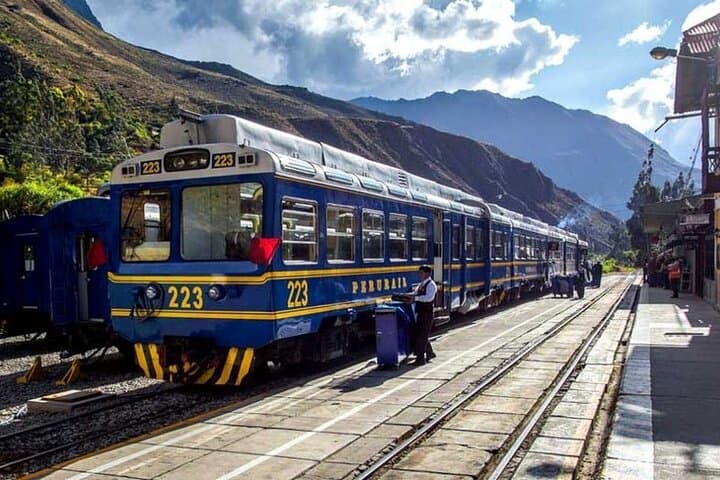
Before the sun lifts over the Andean ridges you’re already moving: a pre-dawn pickup in Cusco, a transfer to the station, and the train slipping along the Urubamba River that dares you to look away. The valley tightens, cloud forest rises, and Aguas Calientes appears like a scatter of roofs at the foot of granite spines.
Verified experiences and guided adventures in the surrounding area.
Operated by Tupay Travel · Aguas Calientes (Machu Picchu Pueblo), Cusco
Before the sun lifts over the Andean ridges you’re already moving: a pre-dawn pickup in Cusco, a transfer to the station, and the train slipping along the Urubamba River that dares you to look away. The valley tightens, cloud forest rises, and Aguas Calientes appears like a scatter of roofs at the foot of granite spines.
Machu Picchu sits on volcanic and metamorphic rock shaped by uplift and erosion; the citadel’s terraces cling to steep slopes first engineered by the Inca in the 15th century under Pachacuti. Quechua culture still threads local life—markets, guides, and communities that steward trails and stories. The train route follows the Vilcanota/Urubamba corridor, offering changing light on river bends and orchid-draped cliffs.
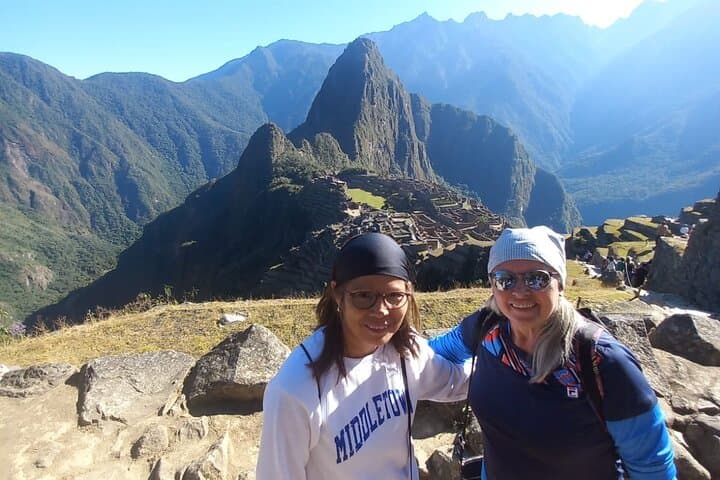
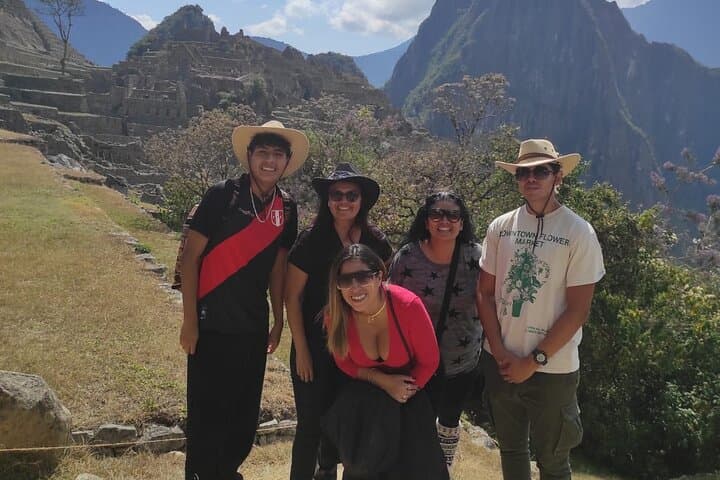
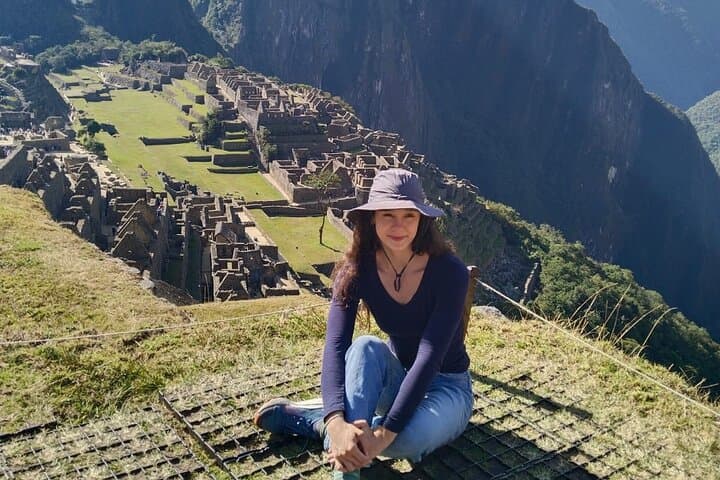
Expect a guided two-hour walk through the main citadel with time to explore on your own: steep stone staircases, narrow Inca walls, and viewpoints like the Guardhouse that frame the classic Machu Picchu vista. Altitude is steady but present—breathing feels heavier than in Cusco’s plazas—and weather can shift rapidly from sun to mist.
Practical edge: carry a printed or mobile ticket and your passport for admission, bring layered clothing and a rain shell, and keep water and snacks handy—facilities in the citadel are limited. Trains and buses run on fixed schedules; factor in the return train time so you don’t miss the last departures. Move deliberately on wet stone; the place rewards patience and steady footing with expansive views and close encounters with hummingbirds and cloud-forest life.
moderate.
10–12 hours.
Suitable for travelers who can walk 2–4 miles on uneven, steep terrain and handle several flights of stone stairs; allow for mild altitude effects.
Yes—this tour package lists train transport, bus transfers between Aguas Calientes and Machu Picchu, entrance fees and a guided visit as included in the itinerary.
Tickets for Huayna Picchu and Machu Picchu Mountain are limited and sold separately; this standard one‑day tour’s entrance usually covers the main citadel only.
Pickups are typically before dawn; expect a 10–12 hour day including transfers, train time and the guided tour as outlined by the operator (roughly a 4:00am start is common).
Not recommended—there is significant walking on uneven ground and stair climbing; consult your doctor before booking if you have cardiovascular or spinal issues.
Machu Picchu was constructed in the 15th century by the Inca and later rediscovered in 1911; its terraces, fountains and stonework reveal advanced engineering tied to ritual and agriculture.
Visitor caps and timed entry exist to protect fragile stonework and ecosystems—stay on marked paths, pack out waste, and respect local rules to support preservation.
Tupay Travel operates guided outdoor trips and adventures with an emphasis on safety, stewardship, and memorable experiences.
Before the sun lifts over the Andean ridges you’re already moving: a pre-dawn pickup in Cusco, a transfer to the station, and the train slipping along the Urubamba River that dares you to look away. The valley tightens, cloud forest rises, and Aguas Calientes appears like a scatter of roofs at the foot of granite spines.
Before the sun lifts over the Andean ridges you’re already moving: a pre-dawn pickup in Cusco, a transfer to the station, and the train slipping along the Urubamba River that dares you to look away. The valley tightens, cloud forest rises, and Aguas Calientes appears like a scatter of roofs at the foot of granite spines.
Machu Picchu sits on volcanic and metamorphic rock shaped by uplift and erosion; the citadel’s terraces cling to steep slopes first engineered by the Inca in the 15th century under Pachacuti. Quechua culture still threads local life—markets, guides, and communities that steward trails and stories. The train route follows the Vilcanota/Urubamba corridor, offering changing light on river bends and orchid-draped cliffs.
Expect a guided two-hour walk through the main citadel with time to explore on your own: steep stone staircases, narrow Inca walls, and viewpoints like the Guardhouse that frame the classic Machu Picchu vista. Altitude is steady but present—breathing feels heavier than in Cusco’s plazas—and weather can shift rapidly from sun to mist.
Practical edge: carry a printed or mobile ticket and your passport for admission, bring layered clothing and a rain shell, and keep water and snacks handy—facilities in the citadel are limited. Trains and buses run on fixed schedules; factor in the return train time so you don’t miss the last departures. Move deliberately on wet stone; the place rewards patience and steady footing with expansive views and close encounters with hummingbirds and cloud-forest life.