THE ADVENTURE COLLECTIVE® · Independent discovery and booking for outdoor travel

Ride the Expedition train from Cusco for a long, immersive day at Machu Picchu. This guide outlines what to expect on a one-day round trip—terrain, timing, and practical tips to make the most of the citadel.
Ride the Expedition train from Cusco for a long, immersive day at Machu Picchu. This guide outlines what to expect on a one-day round trip—terrain, timing, and practical tips to make the most of the citadel.
Before dawn the valley is a silhouette of terraces and river, and the Expedition train pulls away from Cusco with the slow confidence of a long day ahead. Light brightens the Andean shoulder as the rails curve along the Urubamba River; fields slip by and cloud-clad peaks appear and disappear like secrets. By the time you reach Machu Picchu Pueblo the air smells of wet stone and coffee, and the switchback bus climbs through bamboo and fern toward the ancient citadel.
Verified experiences and guided adventures in the surrounding area.
Operated by Adventure Peru Tours · Aguas Calientes (Machu Picchu Pueblo), Cusco Region
Before dawn the valley is a silhouette of terraces and river, and the Expedition train pulls away from Cusco with the slow confidence of a long day ahead. Light brightens the Andean shoulder as the rails curve along the Urubamba River; fields slip by and cloud-clad peaks appear and disappear like secrets. By the time you reach Machu Picchu Pueblo the air smells of wet stone and coffee, and the switchback bus climbs through bamboo and fern toward the ancient citadel.
Machu Picchu sits on an uplifted ridge carved by the Vilcanota (Urubamba) River, a product of Andean tectonics and glacial sculpting. Built in the 15th century, the site reflects Inca engineering—stone fitted without mortar and terraces that manage steep slopes. Local Quechua culture remains strong in nearby towns: market stalls sell alpaca textiles, and traditional agricultural practices continue in the high valleys.
Practically, this is a long, active day: the tour combines train, bus, and a guided walk inside the ruins. Expect uneven stone paths, short steep sections, and around three hours of guided exploration. Carry water, a layered jacket, and good shoes; plan for variable weather—sun can be intense, and afternoon showers common. Photography is rewarding early and late, so aim for morning entry and move deliberately to avoid crowds.
Timing and stamina matter: if you have back or cardiovascular issues consider alternatives. Respect restricted zones and use provided trails to minimize erosion. With a sensible pace you’ll leave having seen one of the world’s most iconic archaeological sites and felt the tangible link between landscape and culture.
moderate.
Approximately 14 hours (door-to-door).
Moderate fitness—able to walk on uneven stone for several hours and handle short steep sections
The itinerary includes about four hours each way on the Expedition train, though schedules and exact duration vary by service.
This tour includes the return train, bus transfers, and a professional guide—confirm if the Machu Picchu entry ticket is included when booking.
Not recommended—steep paths, uneven stones, and long travel make this tour unsuitable for those with significant spinal, cardiovascular, or pregnancy-related concerns.
Yes; after descending from the citadel you can find restaurants in Aguas Calientes for a la carte or set-menu lunches before returning by train.
Built in the mid-1400s, Machu Picchu is attributed to the Inca emperor Pachacuti and later abandoned in the 16th century; rediscovered by Hiram Bingham in 1911 and recognized for its archaeological significance.
Visitor limits and designated paths aim to reduce erosion; follow guide instructions and avoid stepping on terraces to protect fragile masonry.
Adventure Peru Tours operates guided outdoor trips and adventures with an emphasis on safety, stewardship, and memorable experiences.
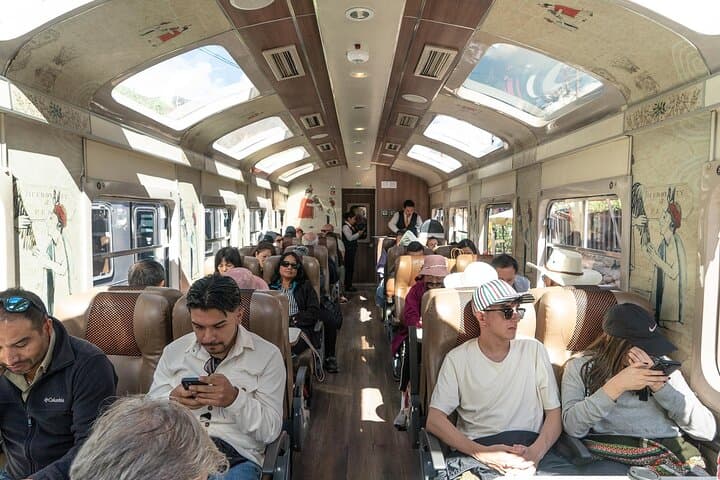
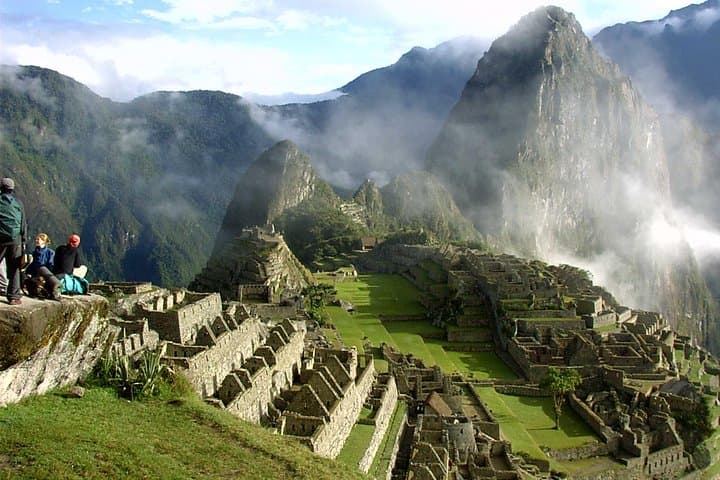
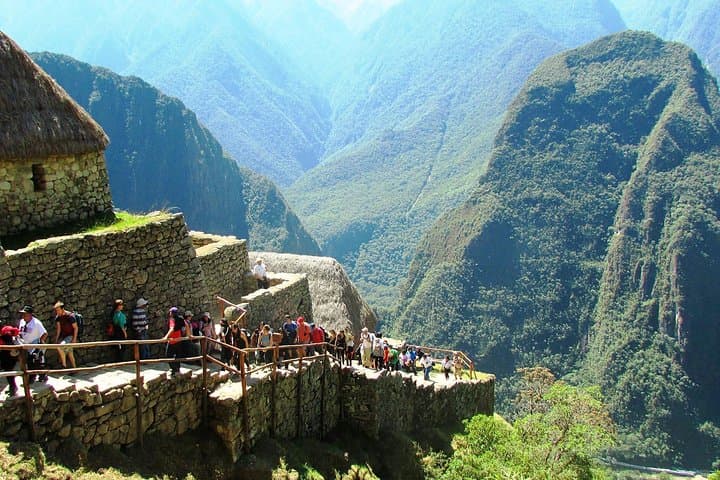
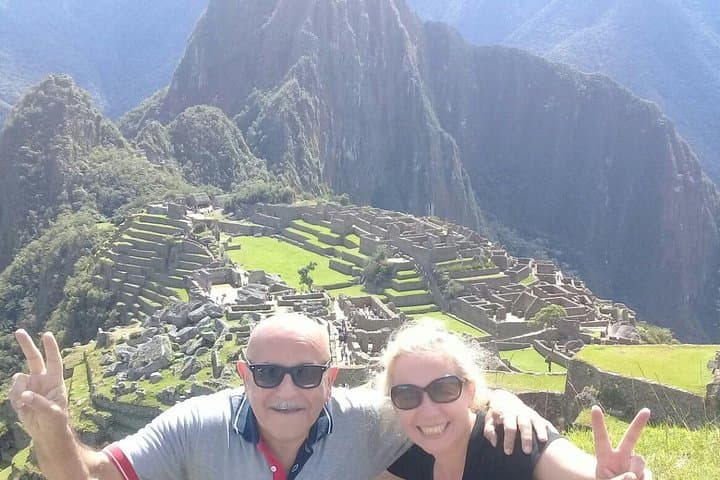
Before dawn the valley is a silhouette of terraces and river, and the Expedition train pulls away from Cusco with the slow confidence of a long day ahead. Light brightens the Andean shoulder as the rails curve along the Urubamba River; fields slip by and cloud-clad peaks appear and disappear like secrets. By the time you reach Machu Picchu Pueblo the air smells of wet stone and coffee, and the switchback bus climbs through bamboo and fern toward the ancient citadel.
Before dawn the valley is a silhouette of terraces and river, and the Expedition train pulls away from Cusco with the slow confidence of a long day ahead. Light brightens the Andean shoulder as the rails curve along the Urubamba River; fields slip by and cloud-clad peaks appear and disappear like secrets. By the time you reach Machu Picchu Pueblo the air smells of wet stone and coffee, and the switchback bus climbs through bamboo and fern toward the ancient citadel.
Machu Picchu sits on an uplifted ridge carved by the Vilcanota (Urubamba) River, a product of Andean tectonics and glacial sculpting. Built in the 15th century, the site reflects Inca engineering—stone fitted without mortar and terraces that manage steep slopes. Local Quechua culture remains strong in nearby towns: market stalls sell alpaca textiles, and traditional agricultural practices continue in the high valleys.
Practically, this is a long, active day: the tour combines train, bus, and a guided walk inside the ruins. Expect uneven stone paths, short steep sections, and around three hours of guided exploration. Carry water, a layered jacket, and good shoes; plan for variable weather—sun can be intense, and afternoon showers common. Photography is rewarding early and late, so aim for morning entry and move deliberately to avoid crowds.
Timing and stamina matter: if you have back or cardiovascular issues consider alternatives. Respect restricted zones and use provided trails to minimize erosion. With a sensible pace you’ll leave having seen one of the world’s most iconic archaeological sites and felt the tangible link between landscape and culture.