THE ADVENTURE COLLECTIVE® · Independent discovery and booking for outdoor travel

Fly from Cairo for a concentrated day among the giants of ancient Thebes. From Karnak’s column forest to the intimate tombs of the Valley of the Kings, this fast-paced tour packs major monuments into a single, full day.
Fly from Cairo for a concentrated day among the giants of ancient Thebes. From Karnak’s column forest to the intimate tombs of the Valley of the Kings, this fast-paced tour packs major monuments into a single, full day.
You step off the short domestic flight and the desert opens like a page from history — low ochre hills cut by the wide, slow ribbon of the Nile. In a single day this tour moves fast: Karnak’s avenue of sphinxes, the hypostyle hall’s forest of columns, the buried corridors of the Valley of the Kings, and Hatshepsut’s austere cliff-side temple.
Verified experiences and guided adventures in the surrounding area.
Operated by travelconnection001 · Luxor, Luxor Governorate
You step off the short domestic flight and the desert opens like a page from history — low ochre hills cut by the wide, slow ribbon of the Nile. In a single day this tour moves fast: Karnak’s avenue of sphinxes, the hypostyle hall’s forest of columns, the buried corridors of the Valley of the Kings, and Hatshepsut’s austere cliff-side temple.
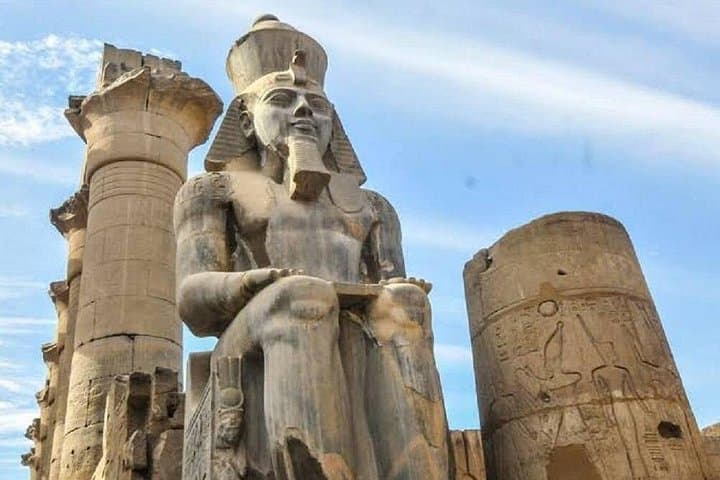
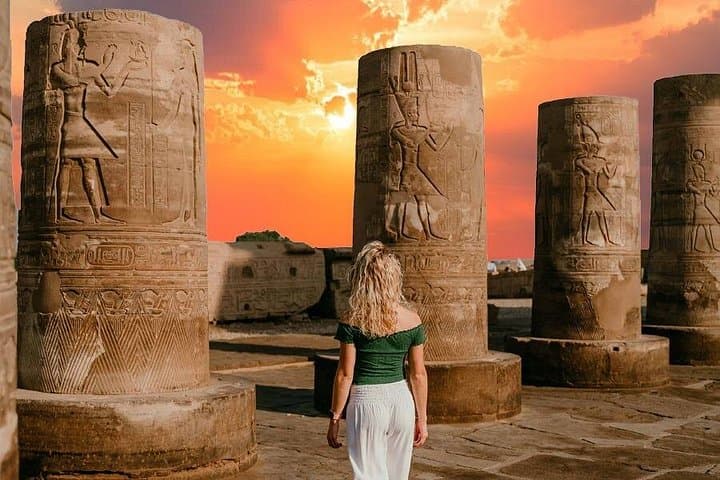
Luxor was ancient Thebes, capital of Egypt’s New Kingdom; the monuments here are compacted layers of ritual power and imperial showmanship. The stone carries chisel marks, cartouches and pigments that speak to quarrying techniques and religious practice from 3,400 years ago. Local culture is still tied to the Nile’s rhythm — farmers, feluccas and small markets provide a living frame for the ruins.
Practically: the day starts early with a round-trip domestic flight from Cairo, so expect airport logistics and security. Walking is mostly on paved or packed-stone surfaces but includes uneven tomb interiors and low, sometimes damp stairways. Temperatures can swing—hot sun mid-day, cooler shade inside temples.
Bring sun protection, carry water, and move deliberately through tombs to conserve breath and camera batteries. Photography rules vary — some tombs prohibit flash to protect pigments. Guide commentary enhances context and speeds queueing for admissions included in the tour. Allow 10–12 hours for the full loop, and plan for a late return to Cairo.
This is an intense, highly accessible day of concentrated archaeology: sensory, physical, and surprisingly immediate.
easy.
10–12 hours.
Suitable for travelers of most fitness levels; requires extended standing and walking on uneven surfaces.
Yes — the tour includes round-trip domestic flights Cairo–Luxor and admissions to listed sites as part of the package.
Generally yes; the tour is rated easy but involves walking, some stairs, and confined tomb spaces—consider mobility and stamina.
Full refunds are available if you cancel at least 24 hours before the scheduled departure time.
Yes—itineraries include short stops for food and restrooms, but plan for limited options at some sites and bring snacks if needed.
Luxor occupies the site of ancient Thebes, New Kingdom capital where pharaohs built massive temples and mortuary complexes between c. 1550–1070 BCE.
Visitor pressure threatens fragile pigments and low-relief carvings; respect barriers, avoid touching surfaces, and follow photography rules to reduce damage.
travelconnection001 operates guided outdoor trips and adventures with an emphasis on safety, stewardship, and memorable experiences.
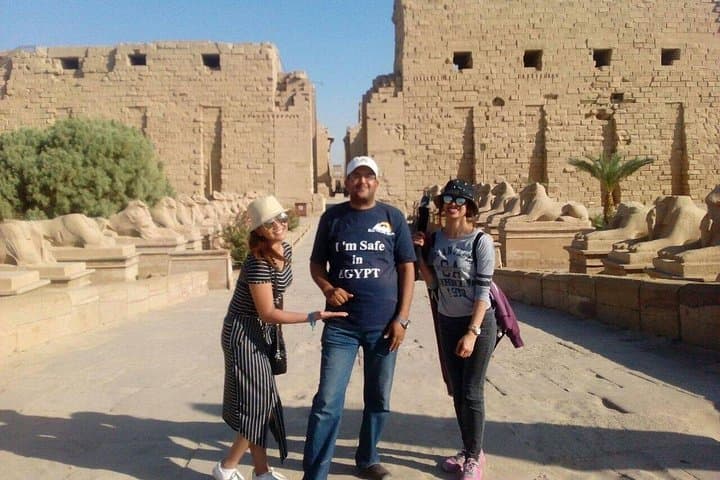
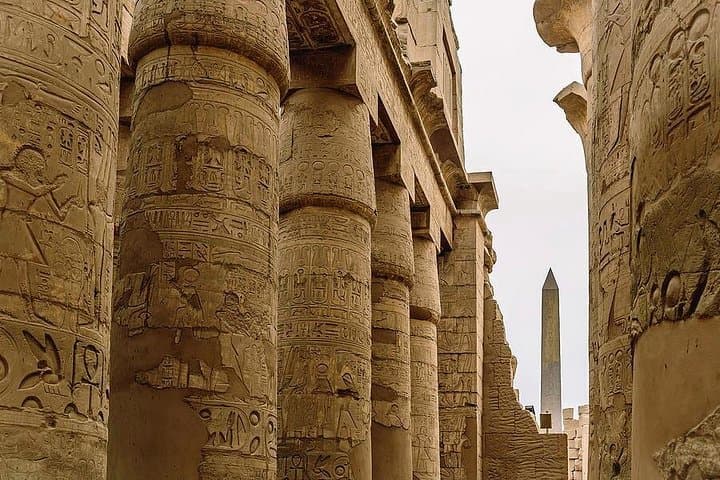
You step off the short domestic flight and the desert opens like a page from history — low ochre hills cut by the wide, slow ribbon of the Nile. In a single day this tour moves fast: Karnak’s avenue of sphinxes, the hypostyle hall’s forest of columns, the buried corridors of the Valley of the Kings, and Hatshepsut’s austere cliff-side temple.
You step off the short domestic flight and the desert opens like a page from history — low ochre hills cut by the wide, slow ribbon of the Nile. In a single day this tour moves fast: Karnak’s avenue of sphinxes, the hypostyle hall’s forest of columns, the buried corridors of the Valley of the Kings, and Hatshepsut’s austere cliff-side temple.
Luxor was ancient Thebes, capital of Egypt’s New Kingdom; the monuments here are compacted layers of ritual power and imperial showmanship. The stone carries chisel marks, cartouches and pigments that speak to quarrying techniques and religious practice from 3,400 years ago. Local culture is still tied to the Nile’s rhythm — farmers, feluccas and small markets provide a living frame for the ruins.
Practically: the day starts early with a round-trip domestic flight from Cairo, so expect airport logistics and security. Walking is mostly on paved or packed-stone surfaces but includes uneven tomb interiors and low, sometimes damp stairways. Temperatures can swing—hot sun mid-day, cooler shade inside temples.
Bring sun protection, carry water, and move deliberately through tombs to conserve breath and camera batteries. Photography rules vary — some tombs prohibit flash to protect pigments. Guide commentary enhances context and speeds queueing for admissions included in the tour. Allow 10–12 hours for the full loop, and plan for a late return to Cairo.
This is an intense, highly accessible day of concentrated archaeology: sensory, physical, and surprisingly immediate.