THE ADVENTURE COLLECTIVE® · Independent discovery and booking for outdoor travel

See Arashiyama’s towering bamboo, walk through Fushimi Inari’s endless torii, and meet Nara’s curious deer in a single, action-packed day. This guided loop from Osaka packs culture, geology, and easy hiking into an accessible full-day experience.
See Arashiyama’s towering bamboo, walk through Fushimi Inari’s endless torii, and meet Nara’s curious deer in a single, action-packed day. This guided loop from Osaka packs culture, geology, and easy hiking into an accessible full-day experience.
You meet before dawn in Osaka’s Nippombashi neighborhood, the city still shedding its night light as a coach eases out toward Kyoto and Nara. The first breaths of the day are taken under towering bamboo in Arashiyama, where stalks lean and whisper as if nudging you down the path. Later, vermilion torii gates at Fushimi Inari stack into a human-made canyon that pushes pilgrims and visitors uphill toward quiet shrines; in Nara the deer patrol grassy courtyards with an almost businesslike curiosity.
Verified experiences and guided adventures in the surrounding area.
Operated by Trevopedia Wonders · Osaka, Osaka Prefecture
You meet before dawn in Osaka’s Nippombashi neighborhood, the city still shedding its night light as a coach eases out toward Kyoto and Nara. The first breaths of the day are taken under towering bamboo in Arashiyama, where stalks lean and whisper as if nudging you down the path. Later, vermilion torii gates at Fushimi Inari stack into a human-made canyon that pushes pilgrims and visitors uphill toward quiet shrines; in Nara the deer patrol grassy courtyards with an almost businesslike curiosity.
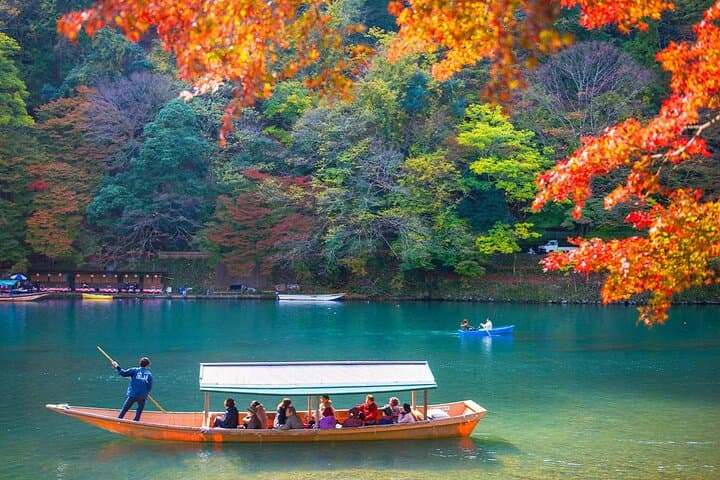
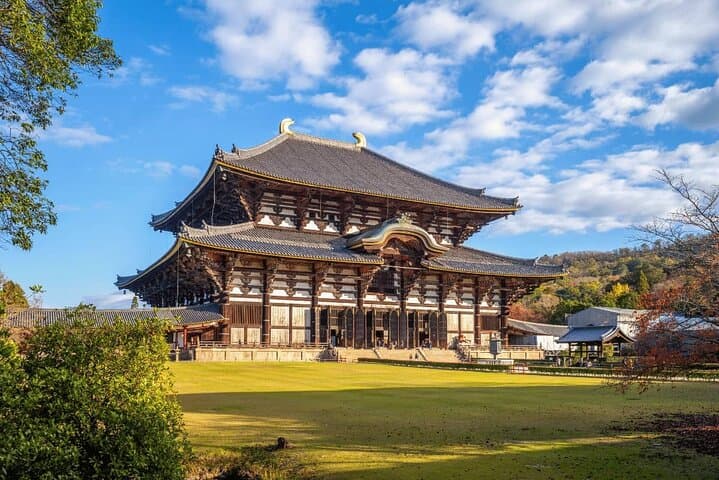
This loop stitches together centuries: Nara was Japan’s first permanent capital (710–794), and Todai-ji houses a colossal Buddha that reflects the city’s religious weight. Fushimi Inari’s gates are donations marking prosperity and rice rites tied to Shinto practice. Geologically, the Hozu River carved the Arashiyama valley, creating the terraces and river bends that made the area a scenic rail route; bamboo’s rapid growth stabilizes those slopes and shapes the light.
Practical notes: expect 8–9 hours of mostly easy walking with short uphill sections at Fushimi Inari; surfaces alternate between paved temple grounds, compact dirt, and wooden station platforms. Crowds peak midday—start early at Arashiyama or finish late at Fushimi Inari for quieter corridors. Carry small change for shrine offerings, a refillable water bottle, and a light layer for river breezes. Follow local rules around Nara’s deer (do not chase; buy licensed deer crackers from vendors if you choose to feed). Mobility access is generally good at main sites but some shrine trails and steps are steep.
This one-day circuit is compact but rich—historic temples, river vistas, living bamboo, and the peculiar intimacy of bowing animals—all reachable from Osaka with minimal planning.
easy.
8–9 hours.
Suitable for most travelers with basic mobility; comfortable walking for multiple short stretches and one moderate uphill trail at Fushimi Inari.
Expect several short walks and stair sections totaling a few miles of walking; paths at temples are mostly paved or compact dirt, with one longer uphill section at Fushimi Inari.
Yes—it's rated easy and largely accessible, though seniors or young children should note there are steps at some shrines and uphill stretches at Fushimi Inari.
Main temple grounds and transportation are generally wheelchair accessible, but some shrine trails, steps, and narrow torii passages may be difficult to navigate.
This itinerary lists admissions as not applicable; some sites allow free entry to grounds while specific temple buildings may charge separate fees.
Nara served as Japan’s capital in the 8th century, shaping early Buddhist architecture like Todai-ji; Fushimi Inari’s torii tradition reflects centuries of Shinto patronage tied to rice and prosperity.
Stick to marked paths and avoid feeding wildlife outside designated vendors; many temples and parks manage visitor impact through timed entry and clear signage to protect sensitive gardens and bamboo stands.
Trevopedia Wonders operates guided outdoor trips and adventures with an emphasis on safety, stewardship, and memorable experiences.
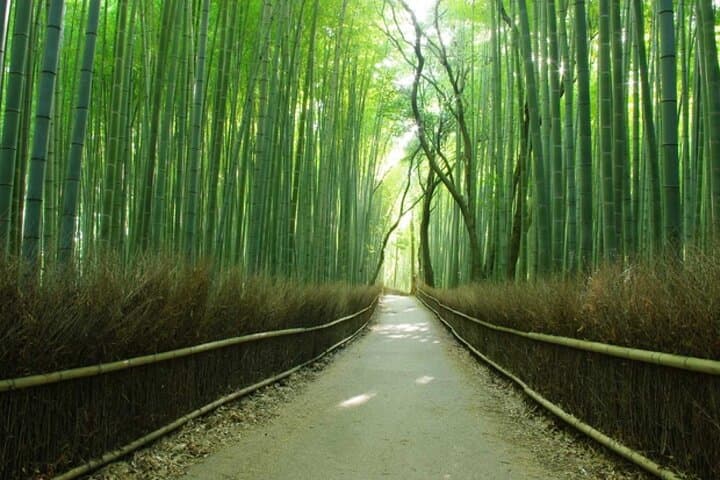
You meet before dawn in Osaka’s Nippombashi neighborhood, the city still shedding its night light as a coach eases out toward Kyoto and Nara. The first breaths of the day are taken under towering bamboo in Arashiyama, where stalks lean and whisper as if nudging you down the path. Later, vermilion torii gates at Fushimi Inari stack into a human-made canyon that pushes pilgrims and visitors uphill toward quiet shrines; in Nara the deer patrol grassy courtyards with an almost businesslike curiosity.
You meet before dawn in Osaka’s Nippombashi neighborhood, the city still shedding its night light as a coach eases out toward Kyoto and Nara. The first breaths of the day are taken under towering bamboo in Arashiyama, where stalks lean and whisper as if nudging you down the path. Later, vermilion torii gates at Fushimi Inari stack into a human-made canyon that pushes pilgrims and visitors uphill toward quiet shrines; in Nara the deer patrol grassy courtyards with an almost businesslike curiosity.
This loop stitches together centuries: Nara was Japan’s first permanent capital (710–794), and Todai-ji houses a colossal Buddha that reflects the city’s religious weight. Fushimi Inari’s gates are donations marking prosperity and rice rites tied to Shinto practice. Geologically, the Hozu River carved the Arashiyama valley, creating the terraces and river bends that made the area a scenic rail route; bamboo’s rapid growth stabilizes those slopes and shapes the light.
Practical notes: expect 8–9 hours of mostly easy walking with short uphill sections at Fushimi Inari; surfaces alternate between paved temple grounds, compact dirt, and wooden station platforms. Crowds peak midday—start early at Arashiyama or finish late at Fushimi Inari for quieter corridors. Carry small change for shrine offerings, a refillable water bottle, and a light layer for river breezes. Follow local rules around Nara’s deer (do not chase; buy licensed deer crackers from vendors if you choose to feed). Mobility access is generally good at main sites but some shrine trails and steps are steep.
This one-day circuit is compact but rich—historic temples, river vistas, living bamboo, and the peculiar intimacy of bowing animals—all reachable from Osaka with minimal planning.