THE ADVENTURE COLLECTIVE® · Independent discovery and booking for outdoor travel

A focused, private day tour of Kigali that pairs the solemn Kigali Genocide Memorial with the vibrant energy of local markets and panoramic views from Mount Kigali. Ideal for travelers wanting history, culture, and an efficient city overview.
A focused, private day tour of Kigali that pairs the solemn Kigali Genocide Memorial with the vibrant energy of local markets and panoramic views from Mount Kigali. Ideal for travelers wanting history, culture, and an efficient city overview.
You step out of a private vehicle onto a tidy Kigali street at mid-morning; the air is cool, the city’s hills folded around you like pages in a book. Your guide leads you first to the Kigali Genocide Memorial, where quiet gardens and the archive force a measured pace and a focus on recent history.
Verified experiences and guided adventures in the surrounding area.
Operated by Silverbird Tours Agency · Kigali, Kigali Province
You step out of a private vehicle onto a tidy Kigali street at mid-morning; the air is cool, the city’s hills folded around you like pages in a book. Your guide leads you first to the Kigali Genocide Memorial, where quiet gardens and the archive force a measured pace and a focus on recent history.
Kigali was named in 1907 by Dr. Richard Kandt and built on steep hills and broad valleys carved by the Nyabarongo’s tributaries. The route moves from memorial and museum — where context and testimony explain Rwanda’s 20th-century ruptures — into the pulse of everyday life at a bustling farmer’s market. Expect mosaic-like stalls of fruit, textiles, and handmade crafts, and the practiced rhythm of porters in uniform who keep goods moving.
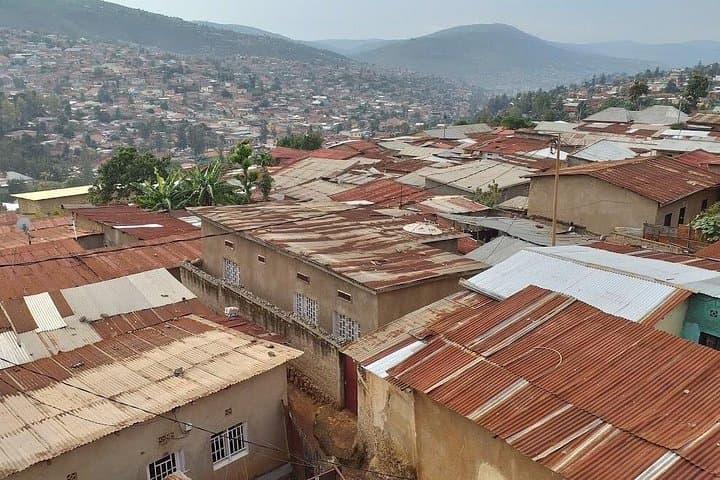
Geology and city planning shape the experience: Mont Kigali’s western slopes give panoramic views across brick rooftops and distant agricultural plains. Culture here is brisk and forward-looking; artists and small cafés around the city reflect a young, entrepreneurial urban fabric.
Practical guidance: this private, largely accessible tour covers several stops over roughly five hours with moderate walking and some stairs. Wear supportive shoes, layer for sun and sudden showers, and bring water and a modest camera. Be prepared for reflective time at the memorial and negotiate politely at markets. Local guides provide context you won’t get alone — use that time to ask about post-1994 recovery, urban design, and recommendations for an evening in town.
easy.
4–5 hours.
Suitable for most fitness levels; involves several short walks, stairs, and standing at exhibits.
Yes — the private tour includes pickup from your Kigali accommodation; confirm the exact pickup point when booking.
Entry to the Kigali Genocide Memorial and other museum fees are included in the tour price per the itinerary.
Expect moderate walking with some stairs and outdoor market navigation; the tour is suitable for most people without mobility limitations.
This tour offers English- and French-speaking guides; request your preferred language at booking.
Kigali was named by Dr. Richard Kandt in 1907; the city’s recent history is profoundly marked by the 1994 Genocide against the Tutsi, documented at the Kigali Genocide Memorial.
Support local guides and purchase responsibly made crafts; the memorial and museums emphasize respectful, low-impact visitation and teach about community recovery.
Silverbird Tours Agency operates guided outdoor trips and adventures with an emphasis on safety, stewardship, and memorable experiences.
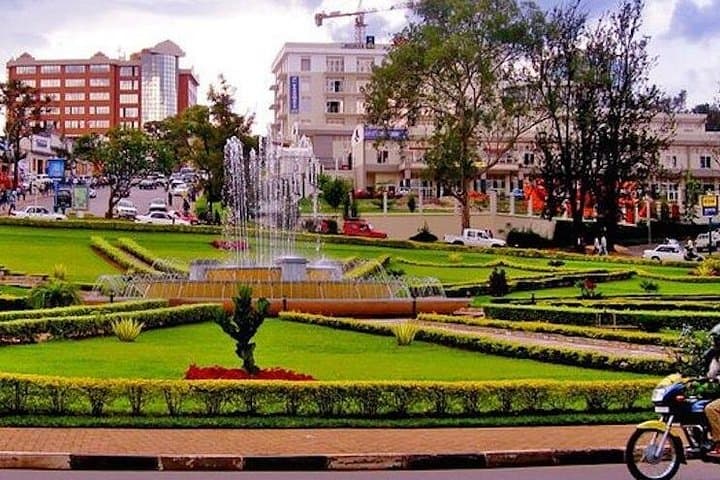


You step out of a private vehicle onto a tidy Kigali street at mid-morning; the air is cool, the city’s hills folded around you like pages in a book. Your guide leads you first to the Kigali Genocide Memorial, where quiet gardens and the archive force a measured pace and a focus on recent history.
You step out of a private vehicle onto a tidy Kigali street at mid-morning; the air is cool, the city’s hills folded around you like pages in a book. Your guide leads you first to the Kigali Genocide Memorial, where quiet gardens and the archive force a measured pace and a focus on recent history.
Kigali was named in 1907 by Dr. Richard Kandt and built on steep hills and broad valleys carved by the Nyabarongo’s tributaries. The route moves from memorial and museum — where context and testimony explain Rwanda’s 20th-century ruptures — into the pulse of everyday life at a bustling farmer’s market. Expect mosaic-like stalls of fruit, textiles, and handmade crafts, and the practiced rhythm of porters in uniform who keep goods moving.
Geology and city planning shape the experience: Mont Kigali’s western slopes give panoramic views across brick rooftops and distant agricultural plains. Culture here is brisk and forward-looking; artists and small cafés around the city reflect a young, entrepreneurial urban fabric.
Practical guidance: this private, largely accessible tour covers several stops over roughly five hours with moderate walking and some stairs. Wear supportive shoes, layer for sun and sudden showers, and bring water and a modest camera. Be prepared for reflective time at the memorial and negotiate politely at markets. Local guides provide context you won’t get alone — use that time to ask about post-1994 recovery, urban design, and recommendations for an evening in town.