THE ADVENTURE COLLECTIVE® · Independent discovery and booking for outdoor travel

A compact, guided exploration of Kigali that pairs solemn history with vibrant street life—visit the Genocide Memorial, haggle at Kimironko Market, learn traditional drumming, and taste local dishes in a single day.
A compact, guided exploration of Kigali that pairs solemn history with vibrant street life—visit the Genocide Memorial, haggle at Kimironko Market, learn traditional drumming, and taste local dishes in a single day.
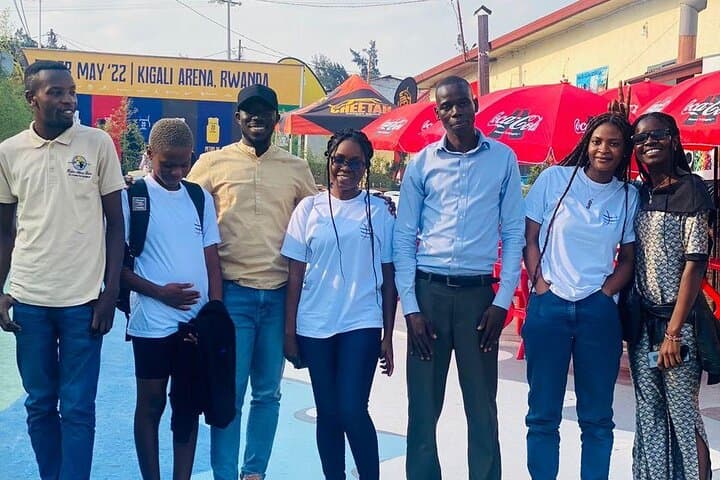
You step out of the vehicle into Kigali’s rising heat and the city exhales—busy streets, vendors calling prices, and a steady rhythm of traffic that feels alive rather than chaotic.
Verified experiences and guided adventures in the surrounding area.
Operated by Huza Gateway · Kigali, Kigali
You step out of the vehicle into Kigali’s rising heat and the city exhales—busy streets, vendors calling prices, and a steady rhythm of traffic that feels alive rather than chaotic.
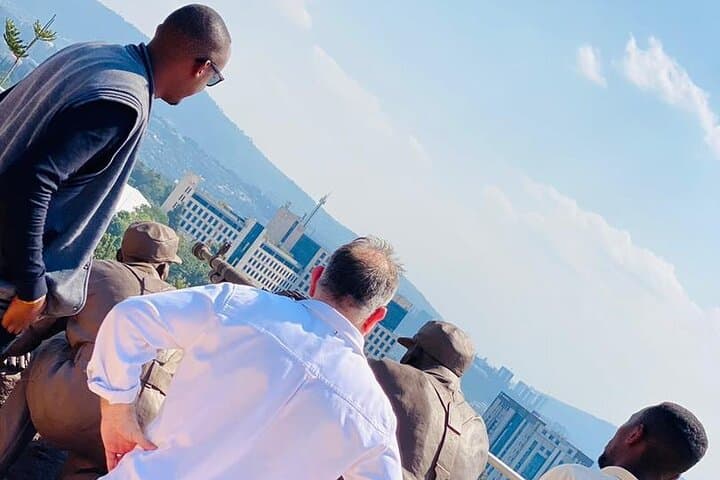
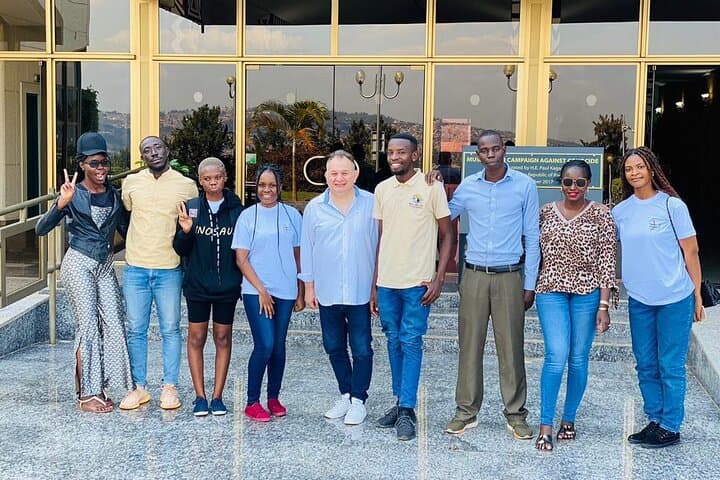
The day begins at the Kigali Genocide Memorial, where quiet paths and stone markers insist you slow down; exhibits and survivor testimonies frame Rwanda’s recent past and its determined path toward reconciliation. From there, the tour threads through historical sites and modern projects: the Campaign Against Genocide Museum at Parliament, the Belgian Peacekeepers memorial, and the evolving car-free zones that show a capital planning for people, not just cars.
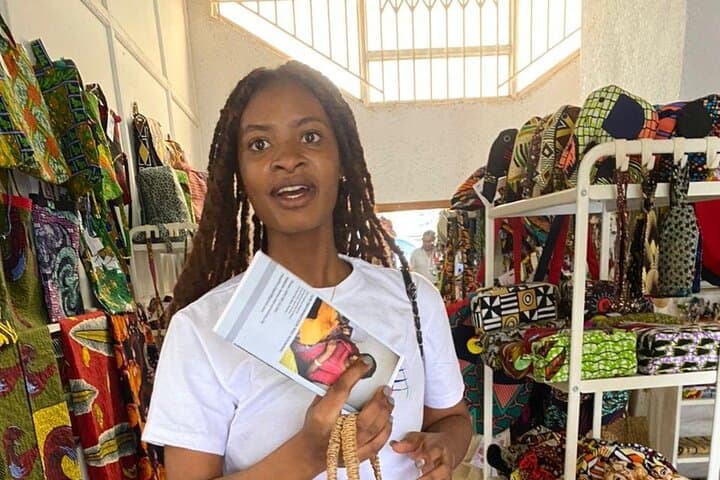
Kimironko Market is vivid in contrast—produce piled high, fabric stalls, and the scent of grilled street food daring you to try everything. A short cultural stop at Umurishyo brings drumming and dance into sharp focus; hands meet drumskins and the beats map generations of story and resilience.
Kigali’s geology is gentle hills and red laterite soils; the city sits on Rwanda’s central plateau, offering unexpected skyline views from neighborhood walks. Contemporary art spaces like Inema and Éképaka restaurant tie culture and cuisine together—local ingredients presented simply, deliberately.
Practical guidance: expect a 5–8 hour day with private transport between stops and walking in markets and car-free areas. Carry water, sun protection, and small change for market purchases. Respect memorial spaces: speak quietly, follow guide instructions, and allow time to reflect. This tour balances history, living culture, and local flavor—compact, emotionally resonant, and straightforward to navigate in a single day.
easy.
5–8 hours.
Suitable for most fitness levels — involves short walks on paved and uneven surfaces and standing during exhibits and performances.
The itinerary runs approximately 5–8 hours depending on traffic and group pace; transport is private between stops.
Visits to the Kigali Genocide Memorial and Campaign Against Genocide Museum are included as described; donations at memorials are optional and appreciated.
Yes, but memorial content can be distressing; consider age and sensitivity—guides can adapt explanations for younger visitors.
Local guides typically speak English and Kinyarwanda; request other language support when booking and confirm availability.
Kigali was central to Rwanda’s 1994 tragedy and its subsequent recovery; memorials and museums document the genocide and the national push toward unity and reconciliation.
Respect memorial sites, avoid single-use plastics in markets, and support local cooperatives and memorial donations to help sustain education and conservation efforts.
Huza Gateway operates guided outdoor trips and adventures with an emphasis on safety, stewardship, and memorable experiences.
You step out of the vehicle into Kigali’s rising heat and the city exhales—busy streets, vendors calling prices, and a steady rhythm of traffic that feels alive rather than chaotic.
You step out of the vehicle into Kigali’s rising heat and the city exhales—busy streets, vendors calling prices, and a steady rhythm of traffic that feels alive rather than chaotic.
The day begins at the Kigali Genocide Memorial, where quiet paths and stone markers insist you slow down; exhibits and survivor testimonies frame Rwanda’s recent past and its determined path toward reconciliation. From there, the tour threads through historical sites and modern projects: the Campaign Against Genocide Museum at Parliament, the Belgian Peacekeepers memorial, and the evolving car-free zones that show a capital planning for people, not just cars.
Kimironko Market is vivid in contrast—produce piled high, fabric stalls, and the scent of grilled street food daring you to try everything. A short cultural stop at Umurishyo brings drumming and dance into sharp focus; hands meet drumskins and the beats map generations of story and resilience.
Kigali’s geology is gentle hills and red laterite soils; the city sits on Rwanda’s central plateau, offering unexpected skyline views from neighborhood walks. Contemporary art spaces like Inema and Éképaka restaurant tie culture and cuisine together—local ingredients presented simply, deliberately.
Practical guidance: expect a 5–8 hour day with private transport between stops and walking in markets and car-free areas. Carry water, sun protection, and small change for market purchases. Respect memorial spaces: speak quietly, follow guide instructions, and allow time to reflect. This tour balances history, living culture, and local flavor—compact, emotionally resonant, and straightforward to navigate in a single day.