THE ADVENTURE COLLECTIVE® · Independent discovery and booking for outdoor travel

Spend a concentrated day exploring four UNESCO sites in Kathmandu—Durbar Square, Swayambhunath, Boudhanath and Pashupatinath. This private, 3–5 hour tour combines close-up cultural encounters with concise logistics for first-time visitors.
Spend a concentrated day exploring four UNESCO sites in Kathmandu—Durbar Square, Swayambhunath, Boudhanath and Pashupatinath. This private, 3–5 hour tour combines close-up cultural encounters with concise logistics for first-time visitors.
You step out into a narrow lane and the city breathes around you—incense, distant prayers, and the rattle of a delivery truck negotiating centuries-old cobbles. The one-day Kathmandu heritage circuit moves at that human pace: up the hill to Swayambhunath's fluttering prayer flags, across Boudhanath's wide white dome, along the Bagmati where Pashupatinath holds constant ritual, and into the carved courtyards of Durbar Square.
Verified experiences and guided adventures in the surrounding area.
Operated by High Route Adventure · Kathmandu, Bagmati Province
You step out into a narrow lane and the city breathes around you—incense, distant prayers, and the rattle of a delivery truck negotiating centuries-old cobbles. The one-day Kathmandu heritage circuit moves at that human pace: up the hill to Swayambhunath's fluttering prayer flags, across Boudhanath's wide white dome, along the Bagmati where Pashupatinath holds constant ritual, and into the carved courtyards of Durbar Square.
Those sites map Kathmandu’s layered past. Durbar Square records the medieval Malla courts in wood and stone; Swayambhunath and Boudhanath reflect the valley’s long Buddhist presence and Tibetan links; Pashupatinath stands as the heart of Shaivite ritual life beside a river whose terraces have held rites for centuries. Geology is simpler but present: the valley’s alluvial plains give way to ridge lines that frame views—clear in winter, hazy in monsoon.
Expect close-up encounters with devotion: monks spinning prayer wheels, priests performing puja, monkeys inspecting your camera strap. Guides place the sites in context—royal histories, trade routes with Tibet, and contemporary conservation efforts.
Practicalities matter. This private, 3–5 hour tour involves short walks and many steps; comfortable shoes and modest clothing are non-negotiable. Carry local cash for small donations and snacks, and plan pickups with traffic in mind—Kathmandu’s streets can add 15–30 minutes between stops. Mornings offer softer light and quieter temples; afternoons bring more pilgrim activity. With straightforward planning, the day delivers a concentrated cultural circuit that is both accessible and viscerally memorable.
easy.
3–5 hours.
Basic urban mobility: able to walk short distances and climb stairs. Comfortable pace with frequent stops.
No—this tour description notes admission is not included; bring local cash or cards for site fees where required.
Yes; the tour is rated easy and family-friendly, though Swayambhunath involves steep steps that may challenge mobility-limited guests.
Photography is common but restricted in certain areas and during some rites—follow signage and your guide's instructions out of respect.
This is a private tour with transportation provided; specify your pickup point and expect variable traffic times affecting transfer windows.
Kathmandu Valley’s monuments reflect centuries of Newar craftsmanship, medieval Malla kingdoms, and centuries-long Hindu-Buddhist synthesis recognized by UNESCO.
High visitor numbers and urban pollution stress these sites; use marked paths, avoid touching fragile carvings, and support local conservation fees when prompted.
High Route Adventure operates guided outdoor trips and adventures with an emphasis on safety, stewardship, and memorable experiences.
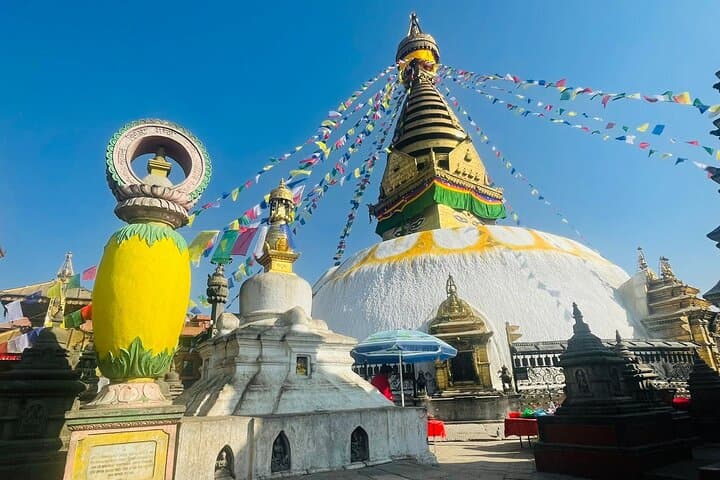
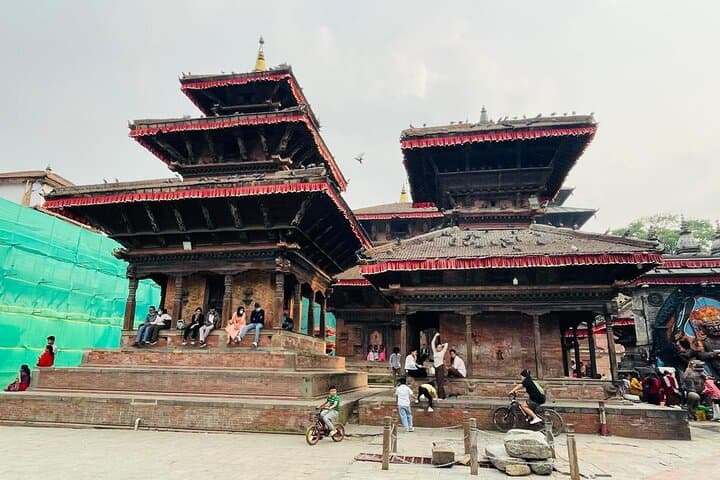
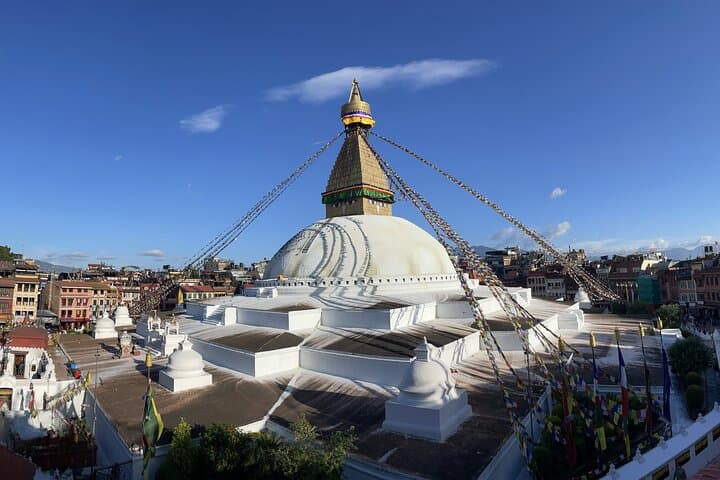
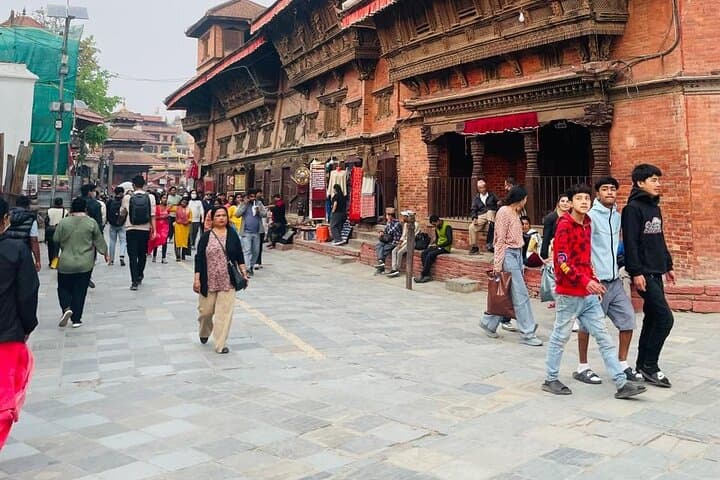
You step out into a narrow lane and the city breathes around you—incense, distant prayers, and the rattle of a delivery truck negotiating centuries-old cobbles. The one-day Kathmandu heritage circuit moves at that human pace: up the hill to Swayambhunath's fluttering prayer flags, across Boudhanath's wide white dome, along the Bagmati where Pashupatinath holds constant ritual, and into the carved courtyards of Durbar Square.
You step out into a narrow lane and the city breathes around you—incense, distant prayers, and the rattle of a delivery truck negotiating centuries-old cobbles. The one-day Kathmandu heritage circuit moves at that human pace: up the hill to Swayambhunath's fluttering prayer flags, across Boudhanath's wide white dome, along the Bagmati where Pashupatinath holds constant ritual, and into the carved courtyards of Durbar Square.
Those sites map Kathmandu’s layered past. Durbar Square records the medieval Malla courts in wood and stone; Swayambhunath and Boudhanath reflect the valley’s long Buddhist presence and Tibetan links; Pashupatinath stands as the heart of Shaivite ritual life beside a river whose terraces have held rites for centuries. Geology is simpler but present: the valley’s alluvial plains give way to ridge lines that frame views—clear in winter, hazy in monsoon.
Expect close-up encounters with devotion: monks spinning prayer wheels, priests performing puja, monkeys inspecting your camera strap. Guides place the sites in context—royal histories, trade routes with Tibet, and contemporary conservation efforts.
Practicalities matter. This private, 3–5 hour tour involves short walks and many steps; comfortable shoes and modest clothing are non-negotiable. Carry local cash for small donations and snacks, and plan pickups with traffic in mind—Kathmandu’s streets can add 15–30 minutes between stops. Mornings offer softer light and quieter temples; afternoons bring more pilgrim activity. With straightforward planning, the day delivers a concentrated cultural circuit that is both accessible and viscerally memorable.