THE ADVENTURE COLLECTIVE® · Independent discovery and booking for outdoor travel

See Kathmandu’s four signature sites in a single day: Swayambhunath’s hilltop views, Boudhanath’s prayer wheels, Durbar Square’s carved palaces and the sacred ghats of Pashupatinath. This seven-hour loop pairs cultural insight with practical logistics for first-time visitors.
See Kathmandu’s four signature sites in a single day: Swayambhunath’s hilltop views, Boudhanath’s prayer wheels, Durbar Square’s carved palaces and the sacred ghats of Pashupatinath. This seven-hour loop pairs cultural insight with practical logistics for first-time visitors.
Morning light slides across whitewashed stupas and prayer flags on the Swayambhunath hill as the city of Kathmandu wakes below. Stairs creak underfoot, monks sweep courtyards, and the hum of traffic mixes with temple bells — a full day of living history packed into seven hours.
Verified experiences and guided adventures in the surrounding area.
Operated by Gokyo Treks and Expedition Pvt Ltd · Kathmandu, Bagmati Province
Morning light slides across whitewashed stupas and prayer flags on the Swayambhunath hill as the city of Kathmandu wakes below. Stairs creak underfoot, monks sweep courtyards, and the hum of traffic mixes with temple bells — a full day of living history packed into seven hours.
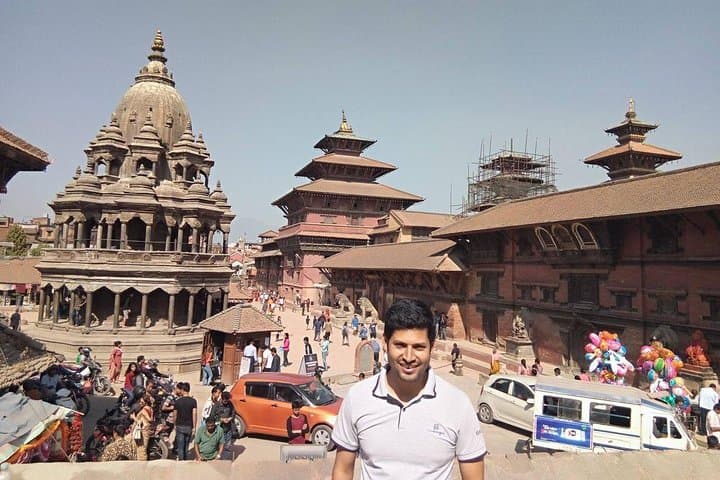
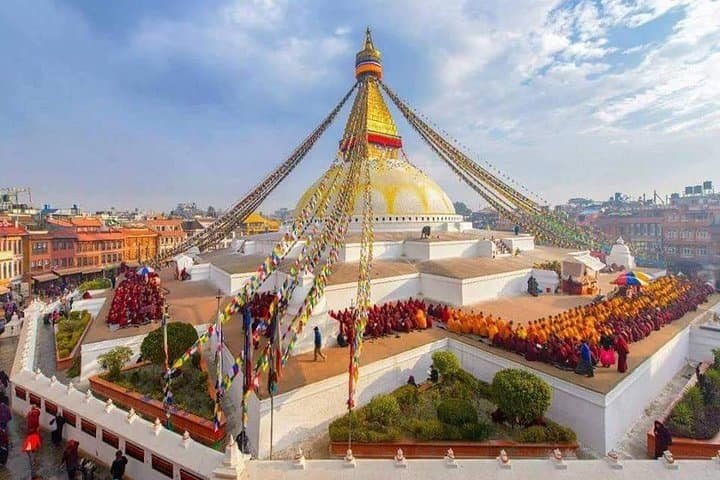
The Kathmandu Valley is an anthropological and geological bowl carved by ancient rivers; its layered history is visible in carved wooden windows, stupas with eyes that seem to watch the wind, and cremation ghats along the Bagmati River. On this loop you’ll move from the panoramic tiers of Swayambhunath to the slow, circular rhythm of prayer wheels at Boudhanath, through the plazas and palaces of Kathmandu Durbar Square, and down to the intense, sacred activity at Pashupatinath Temple.
Cultural context matters: Newar craftsmanship shapes the squares you’ll see, while Hindu and Buddhist practices coexist openly — photography and dress require awareness and respect. The streets between sites vary: cobblestones, narrow alleys, and temple steps demand steady footing.
Practical guidance: expect roughly seven hours of light walking and short stops; plan morning departures to avoid mid-day congestion and afternoon hazy skies. Bring a refillable water bottle, wear comfortable closed-toe shoes and modest clothing that covers shoulders and knees, and carry a light rain layer during monsoon months. Allow extra time for local markets if you want to browse spices, metalwork, and thangka paintings. The tour is an efficient, immersive way to see UNESCO-class heritage with local context and clear logistics.
easy.
7 hours.
Suitable for travelers with basic mobility who can walk several short stretches and stairs; not strenuous.
Some vehicles and parts of the tour are wheelchair accessible, but many heritage sites have steps and uneven ground; check with the operator about specific access needs.
It varies by operator; verify whether site entry fees are included before booking — some tours include them, others do not.
Photography rules vary: exterior shots are generally fine, but inside sanctums and near cremation ghats at Pashupatinath require sensitivity and sometimes prohibition; follow signage and guide instructions.
Most city tours include short breaks but not full meals; plan for a lunch stop or ask your guide for local restaurant recommendations.
Kathmandu Valley has been a cultural crossroads for centuries; Kathmandu Durbar Square preserves Newar royal and artisan architecture and reflects the valley’s status as a historic trade and religious center.
Heritage sites face wear from tourism and pollution; visitors should avoid touching delicate carvings, carry out litter, and support local conservation fees when offered.
Gokyo Treks and Expedition Pvt Ltd operates guided outdoor trips and adventures with an emphasis on safety, stewardship, and memorable experiences.
Morning light slides across whitewashed stupas and prayer flags on the Swayambhunath hill as the city of Kathmandu wakes below. Stairs creak underfoot, monks sweep courtyards, and the hum of traffic mixes with temple bells — a full day of living history packed into seven hours.
Morning light slides across whitewashed stupas and prayer flags on the Swayambhunath hill as the city of Kathmandu wakes below. Stairs creak underfoot, monks sweep courtyards, and the hum of traffic mixes with temple bells — a full day of living history packed into seven hours.
The Kathmandu Valley is an anthropological and geological bowl carved by ancient rivers; its layered history is visible in carved wooden windows, stupas with eyes that seem to watch the wind, and cremation ghats along the Bagmati River. On this loop you’ll move from the panoramic tiers of Swayambhunath to the slow, circular rhythm of prayer wheels at Boudhanath, through the plazas and palaces of Kathmandu Durbar Square, and down to the intense, sacred activity at Pashupatinath Temple.
Cultural context matters: Newar craftsmanship shapes the squares you’ll see, while Hindu and Buddhist practices coexist openly — photography and dress require awareness and respect. The streets between sites vary: cobblestones, narrow alleys, and temple steps demand steady footing.
Practical guidance: expect roughly seven hours of light walking and short stops; plan morning departures to avoid mid-day congestion and afternoon hazy skies. Bring a refillable water bottle, wear comfortable closed-toe shoes and modest clothing that covers shoulders and knees, and carry a light rain layer during monsoon months. Allow extra time for local markets if you want to browse spices, metalwork, and thangka paintings. The tour is an efficient, immersive way to see UNESCO-class heritage with local context and clear logistics.