THE ADVENTURE COLLECTIVE® · Independent discovery and booking for outdoor travel

Hike the final stretches of the Inca Trail to Inti Punku (Sun Gate) and descend into Machu Picchu on an action-packed single-day itinerary that pairs archaeological walking with a Vistadome return. Ideal for travelers who want the Inca Trail experience without multiple nights on the trail.
Hike the final stretches of the Inca Trail to Inti Punku (Sun Gate) and descend into Machu Picchu on an action-packed single-day itinerary that pairs archaeological walking with a Vistadome return. Ideal for travelers who want the Inca Trail experience without multiple nights on the trail.
The day begins before dawn, when a small convoy pulls away from Cusco and the highland air tightens around your breath. By the time the Expedition-class train slips through steep river gorges and terraced slopes toward KM 104, the Andes have already claimed the light, and the trail feels alive — stone steps steep, cloud forests humming with insects, and the Vilcanota River daring you to look over the edge.
Verified experiences and guided adventures in the surrounding area.
Operated by Kenko Adventures · Aguas Calientes (Machu Picchu Pueblo), Cusco Region
The day begins before dawn, when a small convoy pulls away from Cusco and the highland air tightens around your breath. By the time the Expedition-class train slips through steep river gorges and terraced slopes toward KM 104, the Andes have already claimed the light, and the trail feels alive — stone steps steep, cloud forests humming with insects, and the Vilcanota River daring you to look over the edge.
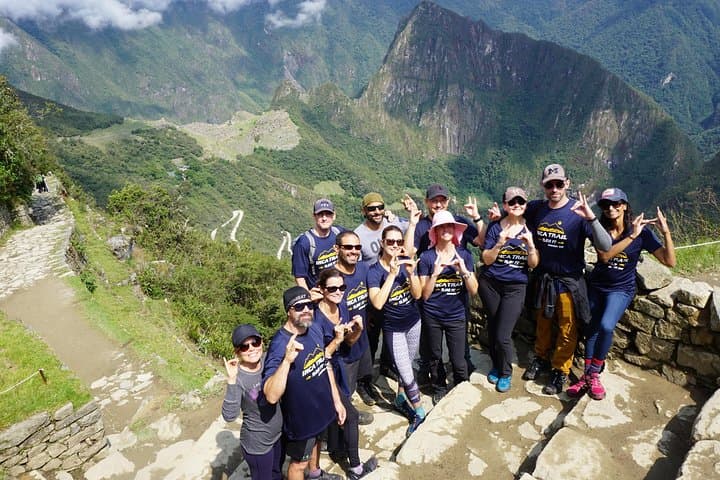
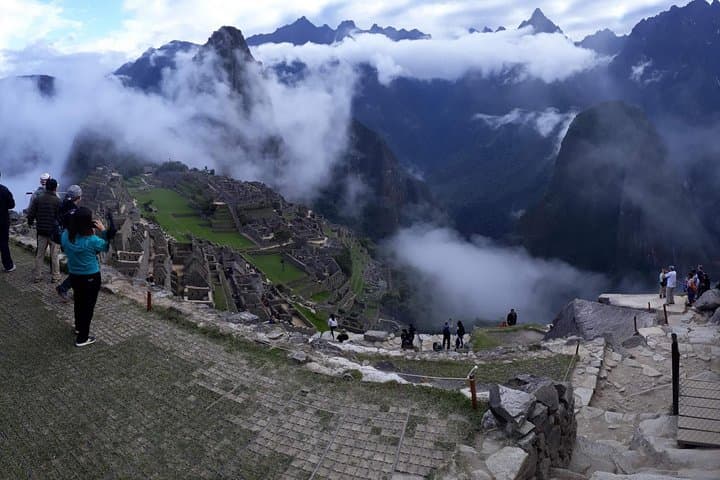
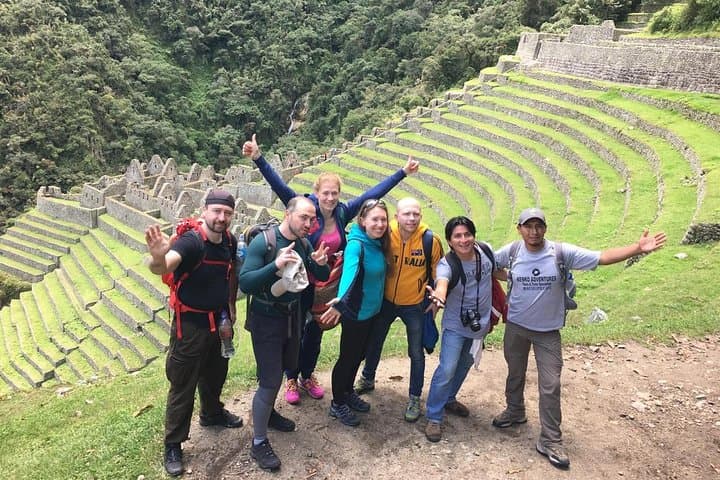
This itinerary threads newer one-day guiding with ancient infrastructure: you walk stretches of the same Inca pathways that linked sacred sites to Cusco, passing Chachabamba and the garden-city of Wiñayhuayna before reaching Inti Punku, the Sun Gate, where Machu Picchu first explodes into view. Geologically the route carves through younger Andean fold-and-thrust terrains; culturally it moves through living Quechua landscapes shaped by centuries of terrace agriculture and ritual travel.
Expect a compact but intense day: guided archaeological interpretation, a picnic atop Inti Punku, a two-hour Machu Picchu circuit, and return on the glass-roofed Vistadome train. Practical realities matter here — altitude (Cusco sits at ~3,400 m), variable weather on one trail day that can be sunlit then soggy, and strict permit rules for entry and trains.
Plan to acclimatize in Cusco, carry layered waterproof clothing, sturdy treaded boots, and a refillable water bottle. Passports must match ticket names; permits are non-transferable. Time your visit in the dry season for clearer views, and move deliberately on steep, ancient steps — the trail rewards steady pacing with unrivaled perspectives on the lost city and the Andean spine beyond.
moderate.
12–14 hours.
Good cardio endurance and comfort with sustained walking at altitude; able to manage uneven stone steps and short steep sections.
Typical walking from KM 104 to Inti Punku and onward to Machu Picchu is 3–5 hours depending on group pace and short stops for sites like Chachabamba and Wiñayhuayna.
Yes if you are in reasonable shape and have acclimatized; the route includes steep stone steps but no technical climbing.
You must bring the same passport you provided at booking — train and park permits are non-transferable and checked at boarding and park entry.
Yes — Peru’s authorities control park entry and trains; operators may adjust schedules or offer alternatives if permits or trains are unavailable.
The Inca Trail sections here are part of a vast pre-Columbian road system that linked administrative and ritual centers to Cusco, culminating in the 15th-century citadel of Machu Picchu.
Machu Picchu visitor numbers and train quotas are tightly regulated; stay on marked paths, pack out waste, and follow guide instructions to reduce erosion and cultural impacts.
Kenko Adventures operates guided outdoor trips and adventures with an emphasis on safety, stewardship, and memorable experiences.
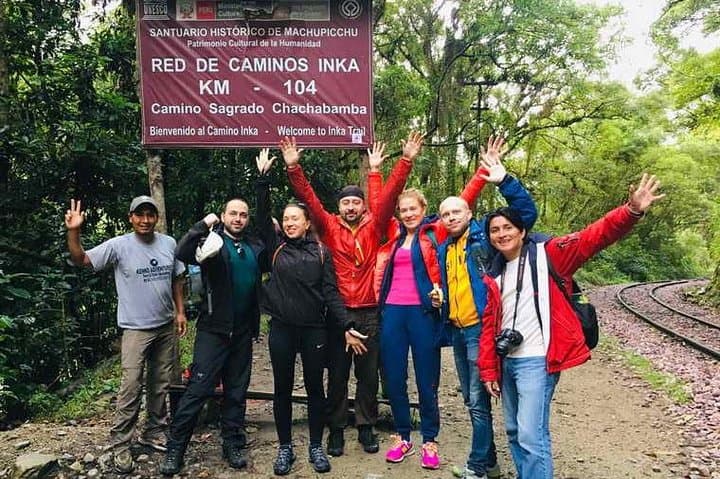
The day begins before dawn, when a small convoy pulls away from Cusco and the highland air tightens around your breath. By the time the Expedition-class train slips through steep river gorges and terraced slopes toward KM 104, the Andes have already claimed the light, and the trail feels alive — stone steps steep, cloud forests humming with insects, and the Vilcanota River daring you to look over the edge.
The day begins before dawn, when a small convoy pulls away from Cusco and the highland air tightens around your breath. By the time the Expedition-class train slips through steep river gorges and terraced slopes toward KM 104, the Andes have already claimed the light, and the trail feels alive — stone steps steep, cloud forests humming with insects, and the Vilcanota River daring you to look over the edge.
This itinerary threads newer one-day guiding with ancient infrastructure: you walk stretches of the same Inca pathways that linked sacred sites to Cusco, passing Chachabamba and the garden-city of Wiñayhuayna before reaching Inti Punku, the Sun Gate, where Machu Picchu first explodes into view. Geologically the route carves through younger Andean fold-and-thrust terrains; culturally it moves through living Quechua landscapes shaped by centuries of terrace agriculture and ritual travel.
Expect a compact but intense day: guided archaeological interpretation, a picnic atop Inti Punku, a two-hour Machu Picchu circuit, and return on the glass-roofed Vistadome train. Practical realities matter here — altitude (Cusco sits at ~3,400 m), variable weather on one trail day that can be sunlit then soggy, and strict permit rules for entry and trains.
Plan to acclimatize in Cusco, carry layered waterproof clothing, sturdy treaded boots, and a refillable water bottle. Passports must match ticket names; permits are non-transferable. Time your visit in the dry season for clearer views, and move deliberately on steep, ancient steps — the trail rewards steady pacing with unrivaled perspectives on the lost city and the Andean spine beyond.