THE ADVENTURE COLLECTIVE® · Independent discovery and booking for outdoor travel

A single-day itinerary that pairs the restored watchtowers of Mutianyu with the rugged, unrestored swells of Jiankou. Fast domestic flights and a local guide make two contrasting Great Wall experiences possible in one long, full day.
A single-day itinerary that pairs the restored watchtowers of Mutianyu with the rugged, unrestored swells of Jiankou. Fast domestic flights and a local guide make two contrasting Great Wall experiences possible in one long, full day.
You step out before dawn in Shanghai, the city still soft with streetlights, and within hours the landscape has changed: the plane drops toward Beijing and the stone spine of the Great Wall unfolds along ridgelines like an old road daring you to follow it.
Verified experiences and guided adventures in the surrounding area.
Operated by Shanghai Advisor Tour · Beijing, Beijing
You step out before dawn in Shanghai, the city still soft with streetlights, and within hours the landscape has changed: the plane drops toward Beijing and the stone spine of the Great Wall unfolds along ridgelines like an old road daring you to follow it.
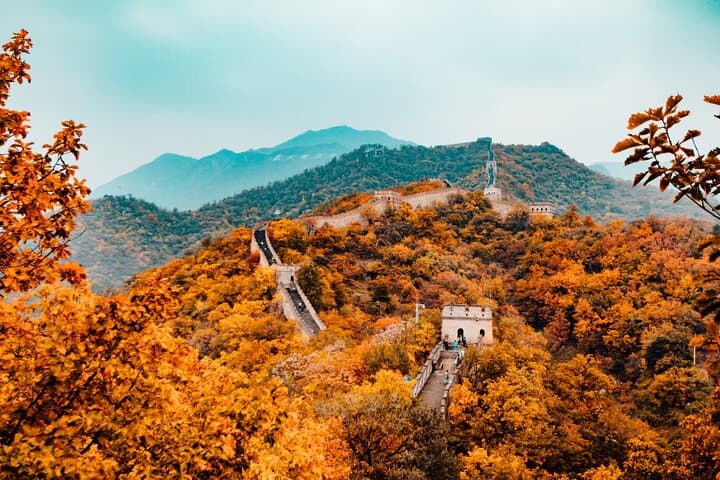
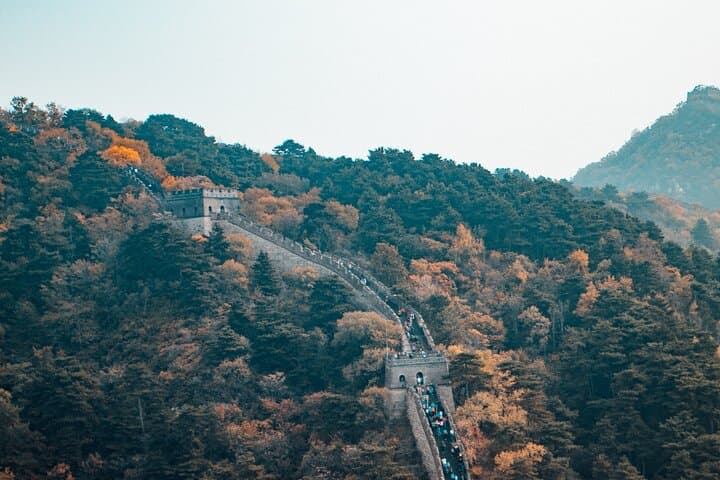
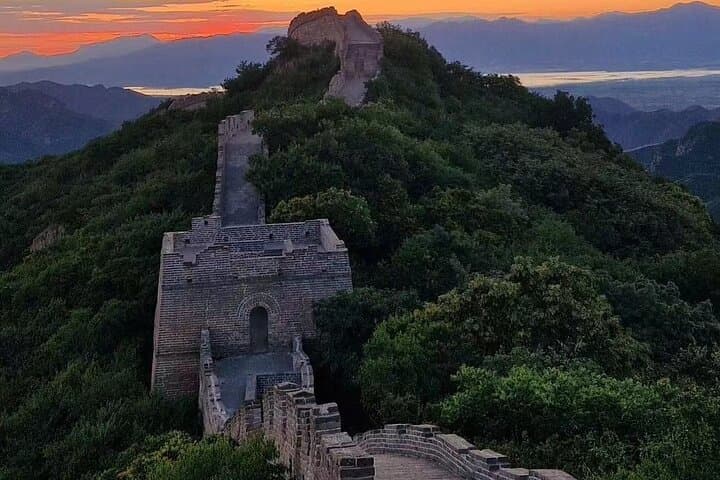
Begin at Mutianyu, a restored Ming-era section where crenellated watchtowers stand square against sky and where the wall’s engineered terraces reveal centuries of strategic design. Later the tone shifts at Jiankou — raw, collapsing heads of stone and steep, unguarded stretches that feel decidedly wild. Geology here is primarily granite and compacted earth; the wall follows resistant ridges and river-cut valleys, the result of millennia of uplift and erosion.
Culturally the Wall is both barrier and connector: built, repaired and repurposed across dynasties, it carries local stories and labor histories in its bricks. Guides often weave regional context — Huairou district’s village life, Ming military logistics, and modern conservation challenges — into the walk.
Practical side: you’ll need moderate fitness for uneven steps and loose stone at Jiankou, and expect 10–14 hours total including domestic flights and transfers. Bring passport and flight confirmations, sturdy shoes, layered clothing, water and basic first-aid. Timing matters — early flights lessen crowding at Mutianyu; afternoon light on Jiankou offers dramatic contrasts but can make footing tricky.
This one-day option is efficient: it pairs panoramic, accessible ramparts with an unvarnished, adventurous stretch of Great Wall — ideal if you want both the postcard views and a taste of the Wall’s wilder side in a single, tightly scheduled day.
moderate.
12–14 hours.
Suitable for travelers with steady cardio and balance; be prepared for uneven steps, some steep scrambling at Jiankou and long transfer times.
Flights are arranged but billed separately; cost varies by date (typically US$200–280) and will be booked early as noted in the itinerary.
Jiankou is rugged and has unstable sections; it’s best for hikers comfortable on uneven terrain — ask your guide to limit exposure if you prefer easier footing.
All sales are final for this tour, so there is no refund for cancellations — confirm schedules and travel documents before booking.
Children can join but infants must sit on laps for flights and guardians should assess whether young kids can manage steep, exposed stretches at Jiankou.
Mutianyu was rebuilt in the Ming dynasty as a defensive and communication corridor; Jiankou preserves older, unrestored masonry and shows natural decay and collapse patterns.
Visitor pressure and erosion are active concerns — stay on established paths at Mutianyu, avoid loose rubble at Jiankou, and pack out all trash to reduce impact.
Shanghai Advisor Tour operates guided outdoor trips and adventures with an emphasis on safety, stewardship, and memorable experiences.

You step out before dawn in Shanghai, the city still soft with streetlights, and within hours the landscape has changed: the plane drops toward Beijing and the stone spine of the Great Wall unfolds along ridgelines like an old road daring you to follow it.
You step out before dawn in Shanghai, the city still soft with streetlights, and within hours the landscape has changed: the plane drops toward Beijing and the stone spine of the Great Wall unfolds along ridgelines like an old road daring you to follow it.
Begin at Mutianyu, a restored Ming-era section where crenellated watchtowers stand square against sky and where the wall’s engineered terraces reveal centuries of strategic design. Later the tone shifts at Jiankou — raw, collapsing heads of stone and steep, unguarded stretches that feel decidedly wild. Geology here is primarily granite and compacted earth; the wall follows resistant ridges and river-cut valleys, the result of millennia of uplift and erosion.
Culturally the Wall is both barrier and connector: built, repaired and repurposed across dynasties, it carries local stories and labor histories in its bricks. Guides often weave regional context — Huairou district’s village life, Ming military logistics, and modern conservation challenges — into the walk.
Practical side: you’ll need moderate fitness for uneven steps and loose stone at Jiankou, and expect 10–14 hours total including domestic flights and transfers. Bring passport and flight confirmations, sturdy shoes, layered clothing, water and basic first-aid. Timing matters — early flights lessen crowding at Mutianyu; afternoon light on Jiankou offers dramatic contrasts but can make footing tricky.
This one-day option is efficient: it pairs panoramic, accessible ramparts with an unvarnished, adventurous stretch of Great Wall — ideal if you want both the postcard views and a taste of the Wall’s wilder side in a single, tightly scheduled day.