THE ADVENTURE COLLECTIVE® · Independent discovery and booking for outdoor travel

Spend a day on China’s most iconic fortification with private transport and an English-speaking guide. Choose restored sections for an easy walk or head to rugged stretches for longer hikes and sweeping ridgelines.
Spend a day on China’s most iconic fortification with private transport and an English-speaking guide. Choose restored sections for an easy walk or head to rugged stretches for longer hikes and sweeping ridgelines.
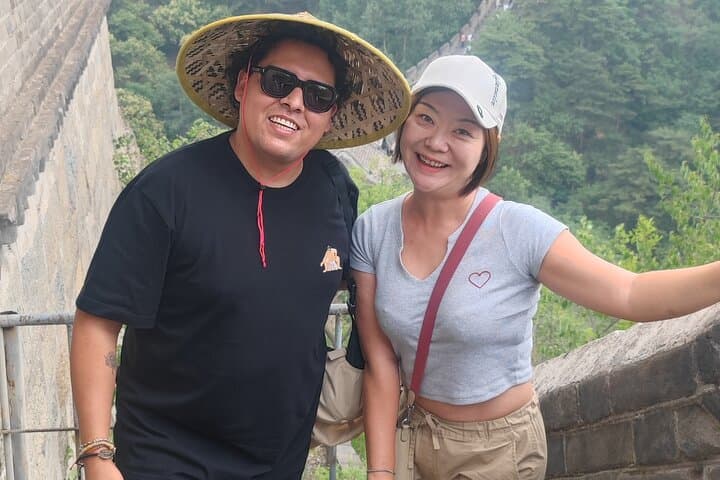
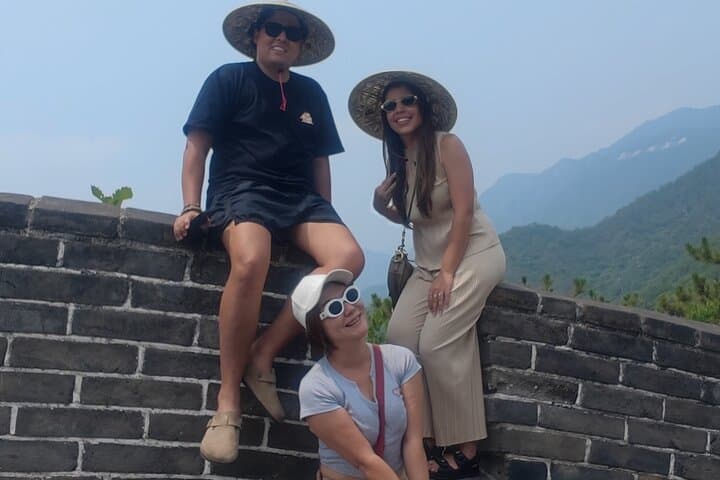
The morning opens on a ribbon of stone that climbs and curves over bronzed ridgelines; the Wall runs like a deliberate spine across the horizon, wind pushing at your jacket and the views forcing a slow, steady pace.
Verified experiences and guided adventures in the surrounding area.
Operated by Lillian · Beijing, Beijing
The morning opens on a ribbon of stone that climbs and curves over bronzed ridgelines; the Wall runs like a deliberate spine across the horizon, wind pushing at your jacket and the views forcing a slow, steady pace.
A private one-day tour from Beijing puts travelers at the gateway to that experience — most groups choose accessible, well-restored sectors such as Mutianyu or the more rugged Jinshanling. The Wall’s current face largely dates to the Ming dynasty (14th–17th centuries), rebuilt in granite and brick to guard key passes. Geology matters here: granite outcrops and steep limestone ridges shape steep steps, narrow watchtowers and long sightlines.
Culturally the Wall is both military architecture and a social landscape; markets and teahouses near trailheads reflect centuries of local commerce catering to passing caravans and, now, tourists. Expect a mix of rebuilt, even stonework and sections with broken, irregular stairs — the former invites hiking with shorter distances (1–3 km of easy walking), the latter rewards longer treks (5–10 km) with steeper ascents and 150–300 m cumulative elevation changes depending on route.
Practically, private transport from central Beijing is typically 1–2 hours each way. Start early to beat crowds and midday heat. Bring layered clothing, sturdy footwear with good traction, at least 1–2 liters of water, and a plan for descent — many visitors use cable cars or a toboggan run on Mutianyu. Guides handle permits and parking; hikers should be prepared for uneven stone, exposed wind, and short steep pitches on less-restored stretches.
moderate.
3–6 hours (tour time including transport).
Moderate fitness: able to walk uneven stone steps, handle short steep climbs and stairs for up to a few hours
The exact section varies by itinerary and guest preference; common choices are Mutianyu for restored paths and cable-car options, Badaling for easy access, and Jinshanling for longer, less-restored hikes. Confirm with the operator before booking.
Expect roughly 1–2 hours by private vehicle to Mutianyu or Badaling and up to 2.5–3 hours to more distant sections like Jinshanling, depending on traffic and route.
Inclusions vary by booking; confirm whether entrance fees, parking, and optional cable car or shuttle fees are covered or payable on site.
Restored sections with cable cars (Mutianyu, Badaling) are family-friendly; steeper, unrestored stretches are better for fit adults. Note the operator flags tours as not recommended for pregnant travelers.
Major surviving stretches of the Wall were rebuilt during the Ming dynasty as a defensive backbone, with watchtowers sited to communicate along ridges.
Heavy visitation causes erosion and litter in popular areas; stay on designated paths, avoid removing stones, and carry out waste to help protect fragile hilltop soils.
Lillian operates guided outdoor trips and adventures with an emphasis on safety, stewardship, and memorable experiences.


The morning opens on a ribbon of stone that climbs and curves over bronzed ridgelines; the Wall runs like a deliberate spine across the horizon, wind pushing at your jacket and the views forcing a slow, steady pace.
The morning opens on a ribbon of stone that climbs and curves over bronzed ridgelines; the Wall runs like a deliberate spine across the horizon, wind pushing at your jacket and the views forcing a slow, steady pace.
A private one-day tour from Beijing puts travelers at the gateway to that experience — most groups choose accessible, well-restored sectors such as Mutianyu or the more rugged Jinshanling. The Wall’s current face largely dates to the Ming dynasty (14th–17th centuries), rebuilt in granite and brick to guard key passes. Geology matters here: granite outcrops and steep limestone ridges shape steep steps, narrow watchtowers and long sightlines.
Culturally the Wall is both military architecture and a social landscape; markets and teahouses near trailheads reflect centuries of local commerce catering to passing caravans and, now, tourists. Expect a mix of rebuilt, even stonework and sections with broken, irregular stairs — the former invites hiking with shorter distances (1–3 km of easy walking), the latter rewards longer treks (5–10 km) with steeper ascents and 150–300 m cumulative elevation changes depending on route.
Practically, private transport from central Beijing is typically 1–2 hours each way. Start early to beat crowds and midday heat. Bring layered clothing, sturdy footwear with good traction, at least 1–2 liters of water, and a plan for descent — many visitors use cable cars or a toboggan run on Mutianyu. Guides handle permits and parking; hikers should be prepared for uneven stone, exposed wind, and short steep pitches on less-restored stretches.