THE ADVENTURE COLLECTIVE® · Independent discovery and booking for outdoor travel

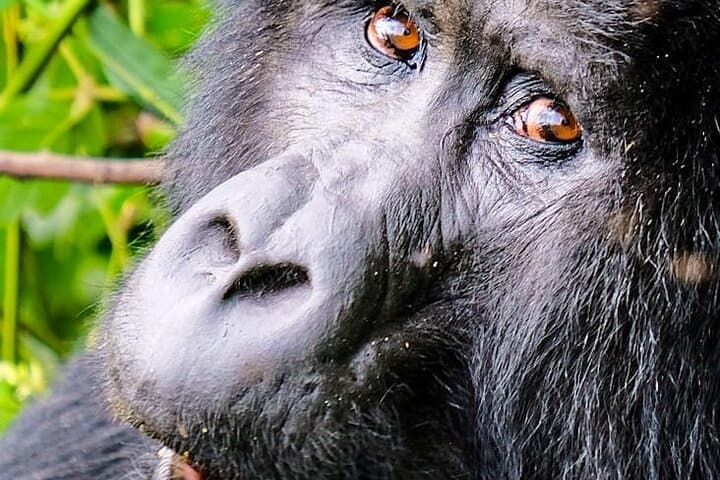
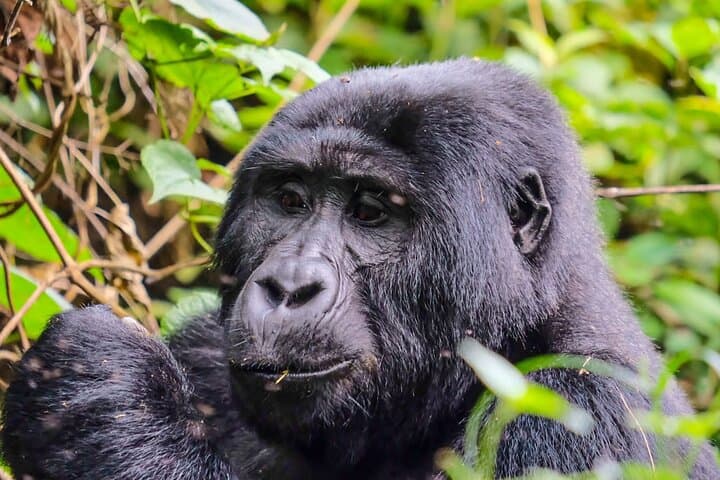
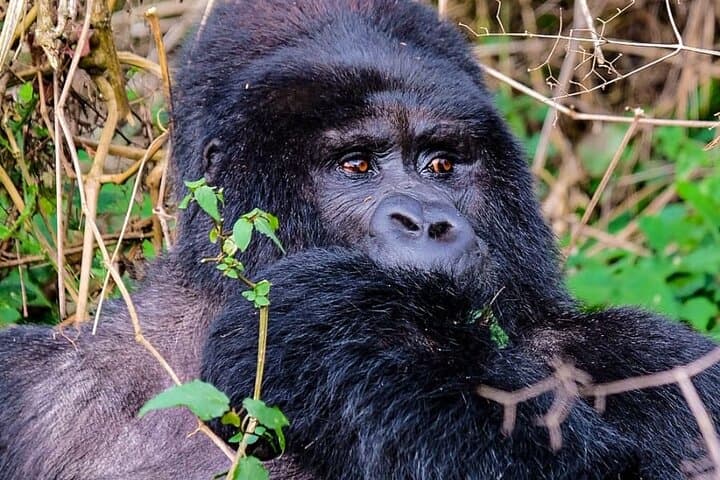
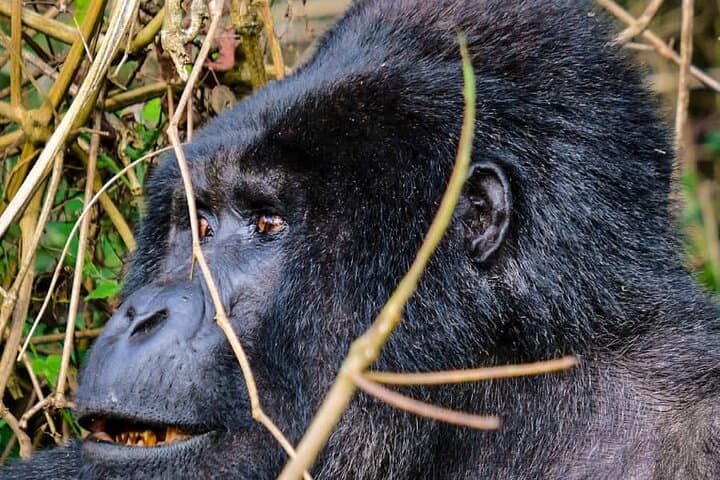
Spend a full day tracking mountain gorillas from Kabale into Bwindi Impenetrable Forest. This one‑day safari blends a scenic drive, a variable-length rainforest trek, and a guided hour with a habituated gorilla family.
Spend a full day tracking mountain gorillas from Kabale into Bwindi Impenetrable Forest. This one‑day safari blends a scenic drive, a variable-length rainforest trek, and a guided hour with a habituated gorilla family.
A pre‑dawn van eases out of Kabale and the road recedes into a ribbon of mist. By the time you reach the edge of Bwindi Impenetrable Forest the light is thin and the air smells of wet earth—ferns and moss cling to every trunk, and the forest seems to lean in to listen. Rangers sort permits and pair you with local trackers; then you move into the green, stepping over roots and through shafts of sun that find their way between the canopy.
Verified experiences and guided adventures in the surrounding area.
Operated by Musana tours & travel Uganda ltd · Kabale, Kabale District
A pre‑dawn van eases out of Kabale and the road recedes into a ribbon of mist. By the time you reach the edge of Bwindi Impenetrable Forest the light is thin and the air smells of wet earth—ferns and moss cling to every trunk, and the forest seems to lean in to listen. Rangers sort permits and pair you with local trackers; then you move into the green, stepping over roots and through shafts of sun that find their way between the canopy.
Bwindi is a UNESCO World Heritage site and one of the last strongholds for mountain gorillas, hosting roughly half of the species’ remaining population. The park sits on steep, ancient terrain—volcanic soils folded into ridges—and its human history ties closely to Kigezi highland communities who share a long relationship with the forest. Cultural norms and park rules are enforced: quiet, slow movements, and strict viewing time when gorillas are found.
Expect 2–3 hours of driving from Kabale, then a variable trek that commonly runs 1–5 hours depending on gorilla movement, with one hour of observation once the group is located. Trails are steep, muddy, and rooty; bamboo and dense understory are common. Practical prep pays off—good boots, gaiters, a waterproof layer, and a camera with a long lens.
The tour includes transportation, your gorilla permit, and lunch; rangers guide the experience and prioritize gorilla welfare. Arrive with a moderate level of fitness, respect the 7‑meter distance rule, and be ready for a full day that trades comfort for one of the planet’s rarest wildlife encounters.
moderate.
10–12 hours.
You should have moderate cardiovascular fitness and the ability to hike on uneven, steep terrain for up to several hours.
Yes—gorilla tracking permits are required, usually issued by the Uganda Wildlife Authority and included in this tour package.
Rangers enforce a minimum viewing distance (generally 7 meters) and limit observation to one hour to reduce disease risk and disturbance.
This activity is not recommended for pregnant travelers or those with significant spinal or cardiovascular conditions; children may be allowed depending on permit rules and physical ability.
Trackers follow leads; if the group is difficult to locate the search may extend several hours—rangers prioritize both visitor safety and the gorillas’ welfare.
Bwindi’s dense forest has been occupied for centuries by local communities and was declared a national park in 1991; it later received UNESCO World Heritage status for its biodiversity.
Gorilla tourism funds park management and community programs, but strict rules are enforced to minimize disease transmission and habitat disturbance.
Musana tours & travel Uganda ltd operates guided outdoor trips and adventures with an emphasis on safety, stewardship, and memorable experiences.
A pre‑dawn van eases out of Kabale and the road recedes into a ribbon of mist. By the time you reach the edge of Bwindi Impenetrable Forest the light is thin and the air smells of wet earth—ferns and moss cling to every trunk, and the forest seems to lean in to listen. Rangers sort permits and pair you with local trackers; then you move into the green, stepping over roots and through shafts of sun that find their way between the canopy.
A pre‑dawn van eases out of Kabale and the road recedes into a ribbon of mist. By the time you reach the edge of Bwindi Impenetrable Forest the light is thin and the air smells of wet earth—ferns and moss cling to every trunk, and the forest seems to lean in to listen. Rangers sort permits and pair you with local trackers; then you move into the green, stepping over roots and through shafts of sun that find their way between the canopy.
Bwindi is a UNESCO World Heritage site and one of the last strongholds for mountain gorillas, hosting roughly half of the species’ remaining population. The park sits on steep, ancient terrain—volcanic soils folded into ridges—and its human history ties closely to Kigezi highland communities who share a long relationship with the forest. Cultural norms and park rules are enforced: quiet, slow movements, and strict viewing time when gorillas are found.
Expect 2–3 hours of driving from Kabale, then a variable trek that commonly runs 1–5 hours depending on gorilla movement, with one hour of observation once the group is located. Trails are steep, muddy, and rooty; bamboo and dense understory are common. Practical prep pays off—good boots, gaiters, a waterproof layer, and a camera with a long lens.
The tour includes transportation, your gorilla permit, and lunch; rangers guide the experience and prioritize gorilla welfare. Arrive with a moderate level of fitness, respect the 7‑meter distance rule, and be ready for a full day that trades comfort for one of the planet’s rarest wildlife encounters.