THE ADVENTURE COLLECTIVE® · Independent discovery and booking for outdoor travel

Spend a focused day visiting Egypt’s most iconic sites: the Giza pyramids, the Step Pyramid at Saqqara and the ruins of ancient Memphis. This guided circuit mixes on-site context, light walking and practical logistics for a single-day cultural immersion.
Spend a focused day visiting Egypt’s most iconic sites: the Giza pyramids, the Step Pyramid at Saqqara and the ruins of ancient Memphis. This guided circuit mixes on-site context, light walking and practical logistics for a single-day cultural immersion.
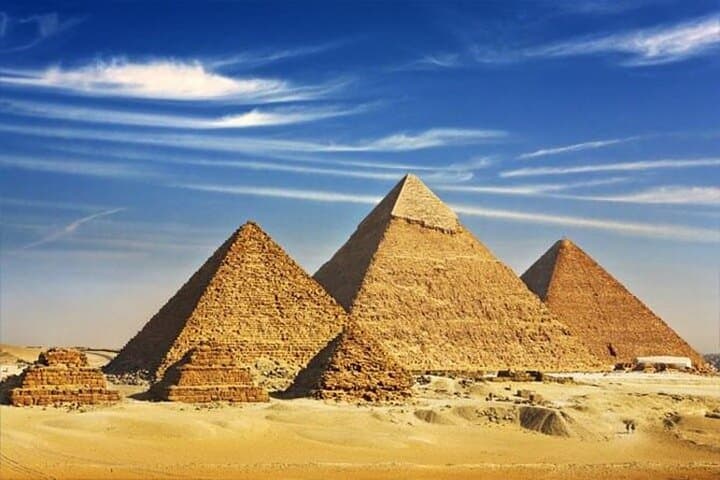
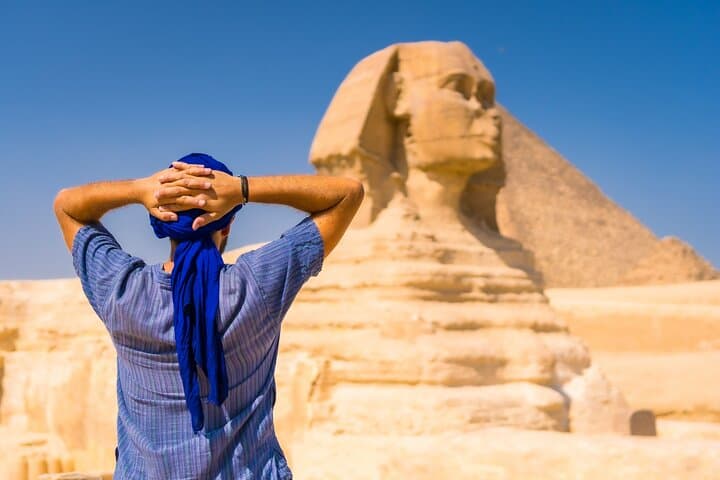
The sun breaks over the edge of the desert and the Giza Plateau wakes in gold — the three great pyramids stand like patient machines that measure time. A guide leads the group across hard-packed sand; wind teases grains into thin curtains that dare you to keep moving toward the stone giants and the carved face of the Sphinx.
Verified experiences and guided adventures in the surrounding area.
Operated by Mondy Magic Tours · Giza, Giza Governorate
The sun breaks over the edge of the desert and the Giza Plateau wakes in gold — the three great pyramids stand like patient machines that measure time. A guide leads the group across hard-packed sand; wind teases grains into thin curtains that dare you to keep moving toward the stone giants and the carved face of the Sphinx.
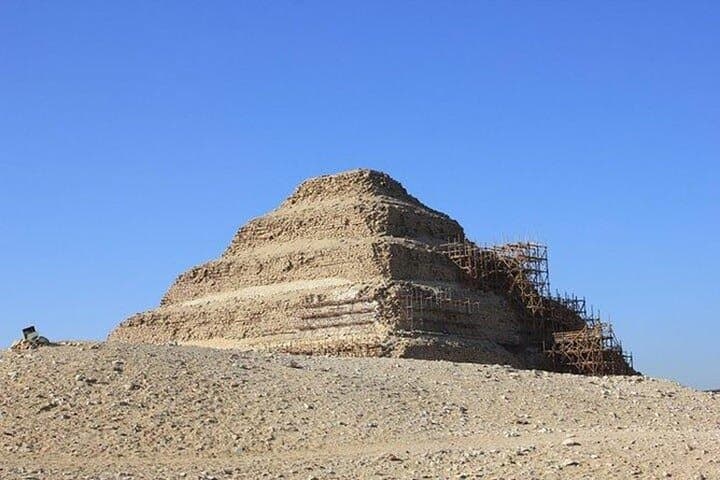
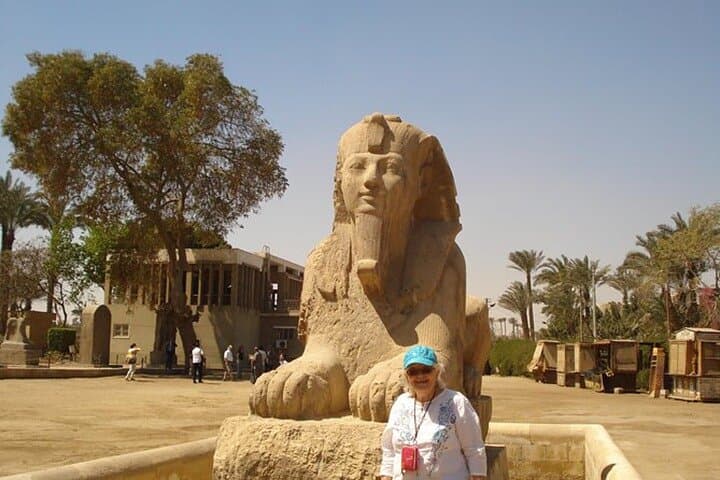
This single-day circuit stitches together Egypt’s Old Kingdom: Giza’s Khufu, Khafre and Menkaure pyramids built of limestone blocks quarried nearby; the Sphinx and its Valley Temple with reused red granite; Saqqara’s Step Pyramid of Djoser, an early experiment in monumental stone architecture; and Memphis, once the administrative heart founded by King Menes where the colossal statue of Ramesses II hints at imperial scale.
Geology here is visible underfoot — Eocene limestone and wind-polished sand shaping tomb entrances and quarry scars. Culturally, expect busy souks and vendors at every stop, and a living layer of modern Cairo that presses against these ancient monuments.
Practical guidance: the full loop involves roughly 2–4 km of walking on uneven, often sandy terrain with minimal elevation change. Wear sturdy closed-toe shoes, sun protection and carry a refillable water bottle — bottled water is usually provided on tours. Photography is allowed in most outdoor areas but interiors (certain tombs, pyramid chambers) sometimes charge extra or restrict tripods. Timing matters: early morning light and late afternoon reduce heat and crowds. Be prepared for bargaining with vendors, brief stops for photos, and short walks between sites; caravan-style camel or horse offers are optional and negotiated locally.
easy.
5 hours.
Suitable for most fitness levels — requires short walks and the ability to stand for guided talks.
Most day tours do not include individual site entrance fees; expect to pay on arrival for pyramid or tomb access beyond viewing areas.
Primary outdoor viewing areas are accessible by vehicle but surfaces are uneven; some interior sites and pyramid chambers are not wheelchair friendly.
Plan for roughly 2–4 km of walking on mixed terrain across the plateau and archaeological complexes, with breaks between locations.
Camel and horse options are arranged locally and are not included by default; negotiate prices and confirm safety before mounting.
Memphis was the political center of the Old Kingdom; Saqqara’s Step Pyramid marks the transition from mudbrick to large-scale stone construction under Djoser and his architect Imhotep.
These sites face erosion from wind, urban encroachment and visitor pressure; stick to marked paths, avoid touching reliefs and use refillable water to reduce plastic waste.
Mondy Magic Tours operates guided outdoor trips and adventures with an emphasis on safety, stewardship, and memorable experiences.
The sun breaks over the edge of the desert and the Giza Plateau wakes in gold — the three great pyramids stand like patient machines that measure time. A guide leads the group across hard-packed sand; wind teases grains into thin curtains that dare you to keep moving toward the stone giants and the carved face of the Sphinx.
The sun breaks over the edge of the desert and the Giza Plateau wakes in gold — the three great pyramids stand like patient machines that measure time. A guide leads the group across hard-packed sand; wind teases grains into thin curtains that dare you to keep moving toward the stone giants and the carved face of the Sphinx.
This single-day circuit stitches together Egypt’s Old Kingdom: Giza’s Khufu, Khafre and Menkaure pyramids built of limestone blocks quarried nearby; the Sphinx and its Valley Temple with reused red granite; Saqqara’s Step Pyramid of Djoser, an early experiment in monumental stone architecture; and Memphis, once the administrative heart founded by King Menes where the colossal statue of Ramesses II hints at imperial scale.
Geology here is visible underfoot — Eocene limestone and wind-polished sand shaping tomb entrances and quarry scars. Culturally, expect busy souks and vendors at every stop, and a living layer of modern Cairo that presses against these ancient monuments.
Practical guidance: the full loop involves roughly 2–4 km of walking on uneven, often sandy terrain with minimal elevation change. Wear sturdy closed-toe shoes, sun protection and carry a refillable water bottle — bottled water is usually provided on tours. Photography is allowed in most outdoor areas but interiors (certain tombs, pyramid chambers) sometimes charge extra or restrict tripods. Timing matters: early morning light and late afternoon reduce heat and crowds. Be prepared for bargaining with vendors, brief stops for photos, and short walks between sites; caravan-style camel or horse offers are optional and negotiated locally.