THE ADVENTURE COLLECTIVE® · Independent discovery and booking for outdoor travel

Board a high-speed train from Rome and spend a day walking Florence’s Renaissance core: the Duomo, Ponte Vecchio, and lively piazzas. This guide covers what to expect—timing, terrain, and practical tips to make a single day memorable.
Board a high-speed train from Rome and spend a day walking Florence’s Renaissance core: the Duomo, Ponte Vecchio, and lively piazzas. This guide covers what to expect—timing, terrain, and practical tips to make a single day memorable.
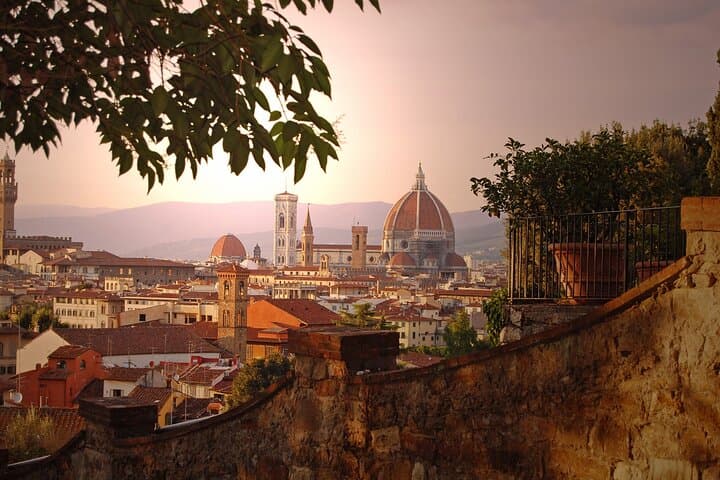
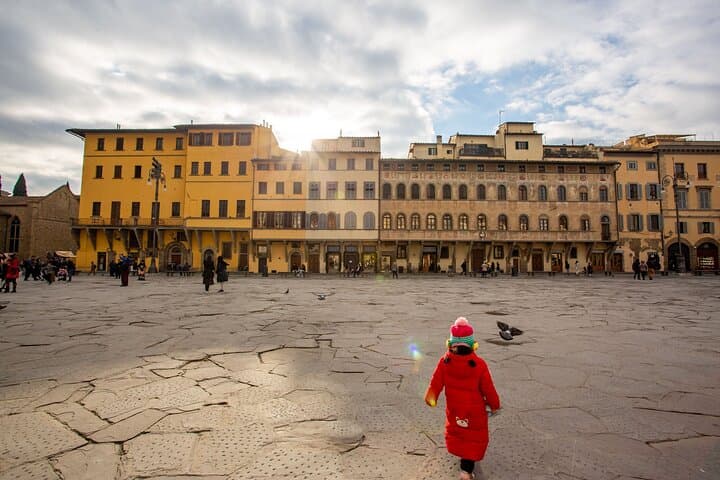
You step off the high-speed train into Santa Maria Novella and the city opens like a book of stone—narrow lanes, a sudden piazza, the Duomo’s terracotta dome cutting the skyline. The guide leads you through medieval alleys where the Arno dares you to linger on the Ponte Vecchio and watch light catch the jewelry shops.
Verified experiences and guided adventures in the surrounding area.
Operated by Gray Line I Love Rome by Carrani Tours · Florence, Tuscany
You step off the high-speed train into Santa Maria Novella and the city opens like a book of stone—narrow lanes, a sudden piazza, the Duomo’s terracotta dome cutting the skyline. The guide leads you through medieval alleys where the Arno dares you to linger on the Ponte Vecchio and watch light catch the jewelry shops.
Florence is the cradle of the Renaissance: Medici palaces, Brunelleschi’s dome and the compact layout that made art public and civic. Geologically the city sits on alluvial plains at roughly 50 m elevation, so the day is mostly flat but paved in centuries-old cobblestones that demand steady footing. Culture here is tactile—coffee counters, leather ateliers, and lunchtime trattorie where Chianti fills the table.
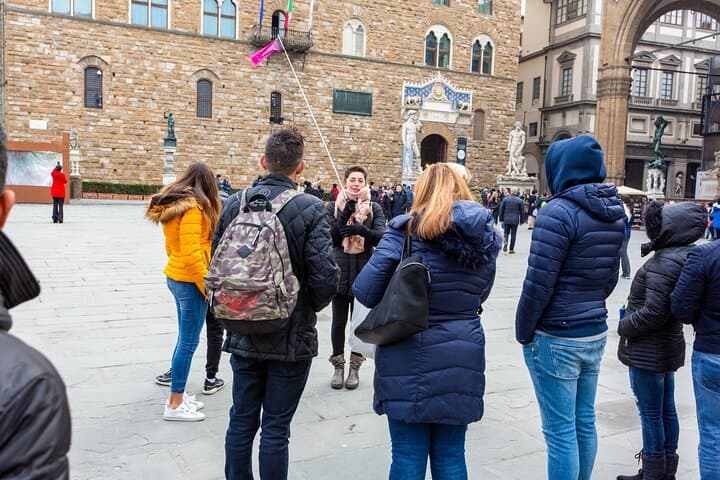
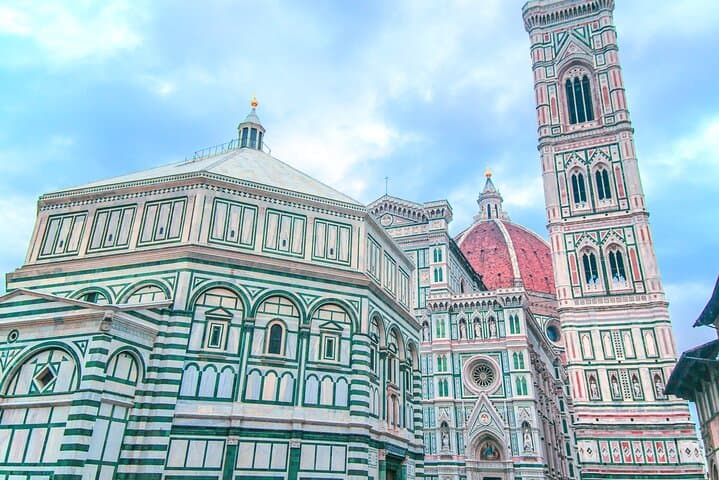
Expect a focused morning of guided walking through the Cathedral complex, Piazza della Repubblica and Ponte Vecchio, then an afternoon for self-directed discovery—museums, markets or a quiet corner of the Boboli Gardens. Practicalities matter: the round-trip train is about 90 minutes each way; plan roughly 12 hours door-to-door. You’ll walk 5–8 km (3–5 miles) on uneven surfaces with minimal elevation gain (under 60 m) and should be able to stand for extended periods.
Bring photocopies of ID for museum access, reserve any major galleries ahead to skip lines, and wear cushioned shoes for cobbles. Hydrate, use sun protection in summer, and budget time to queue at popular sites. With planning, a single day here delivers a concentrated, walkable immersion in Renaissance Florence.
moderate.
12 hours.
Able to walk 3–5 miles over cobbled streets and stand for guided segments; moderate stamina recommended.
High-speed trains take about 90 minutes each way between Rome (Termini) and Florence (Santa Maria Novella) on average.
The guided portion focuses on historic landmarks; Uffizi or Accademia visits usually require separate timed tickets—book them ahead if you want museum entry.
The itinerary notes stroller accessibility for infants, but expect crowds and cobbles that make logistics more challenging for very young children.
Comfortable layers and closed-toe shoes for cobblestones; sun protection in summer and a light rain layer in spring or fall.
Florence’s compact historic center was the engine of the Renaissance under Medici patronage; many civic spaces doubled as open-air galleries.
High visitor volumes stress narrow streets and historic façades—stay on marked paths, avoid touching frescoes/statues, and support local businesses to ensure sustainable tourism.
Gray Line I Love Rome by Carrani Tours operates guided outdoor trips and adventures with an emphasis on safety, stewardship, and memorable experiences.
You step off the high-speed train into Santa Maria Novella and the city opens like a book of stone—narrow lanes, a sudden piazza, the Duomo’s terracotta dome cutting the skyline. The guide leads you through medieval alleys where the Arno dares you to linger on the Ponte Vecchio and watch light catch the jewelry shops.
You step off the high-speed train into Santa Maria Novella and the city opens like a book of stone—narrow lanes, a sudden piazza, the Duomo’s terracotta dome cutting the skyline. The guide leads you through medieval alleys where the Arno dares you to linger on the Ponte Vecchio and watch light catch the jewelry shops.
Florence is the cradle of the Renaissance: Medici palaces, Brunelleschi’s dome and the compact layout that made art public and civic. Geologically the city sits on alluvial plains at roughly 50 m elevation, so the day is mostly flat but paved in centuries-old cobblestones that demand steady footing. Culture here is tactile—coffee counters, leather ateliers, and lunchtime trattorie where Chianti fills the table.
Expect a focused morning of guided walking through the Cathedral complex, Piazza della Repubblica and Ponte Vecchio, then an afternoon for self-directed discovery—museums, markets or a quiet corner of the Boboli Gardens. Practicalities matter: the round-trip train is about 90 minutes each way; plan roughly 12 hours door-to-door. You’ll walk 5–8 km (3–5 miles) on uneven surfaces with minimal elevation gain (under 60 m) and should be able to stand for extended periods.
Bring photocopies of ID for museum access, reserve any major galleries ahead to skip lines, and wear cushioned shoes for cobbles. Hydrate, use sun protection in summer, and budget time to queue at popular sites. With planning, a single day here delivers a concentrated, walkable immersion in Renaissance Florence.