THE ADVENTURE COLLECTIVE® · Independent discovery and booking for outdoor travel

Spend a full day tracing Ubud’s creative and natural highlights—from batik workshops and temple stonework to the roar of Tegenungan waterfall and the terraces of Tegalalang. This vehicle-led private tour packs culture, scenery, and a walk among monkeys into a single, manageable day.
Spend a full day tracing Ubud’s creative and natural highlights—from batik workshops and temple stonework to the roar of Tegenungan waterfall and the terraces of Tegalalang. This vehicle-led private tour packs culture, scenery, and a walk among monkeys into a single, manageable day.
Morning in Ubud arrives with the chill and scent of wet earth—drivers pull up in an air-conditioned car and the road unfurls toward village lanes and rice-slabbed valleys. The day tour moves at a deliberate pace: first, artisans at Tohpati and Celuk demonstrate batik dyeing and metal-smithing while hands and hammers shape the island’s craft traditions.
Verified experiences and guided adventures in the surrounding area.
Operated by Jimbaran Bali Driver · Ubud, Bali
Morning in Ubud arrives with the chill and scent of wet earth—drivers pull up in an air-conditioned car and the road unfurls toward village lanes and rice-slabbed valleys. The day tour moves at a deliberate pace: first, artisans at Tohpati and Celuk demonstrate batik dyeing and metal-smithing while hands and hammers shape the island’s craft traditions.
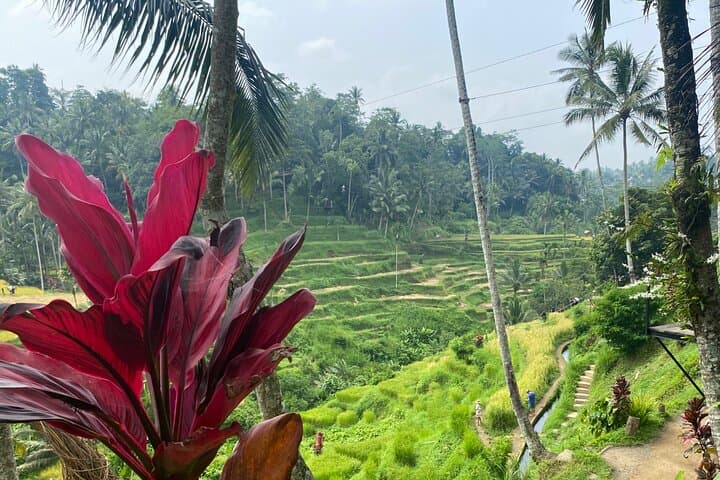
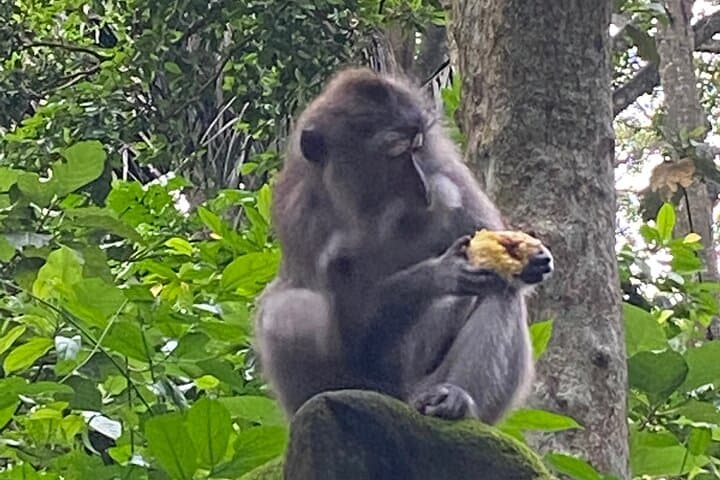
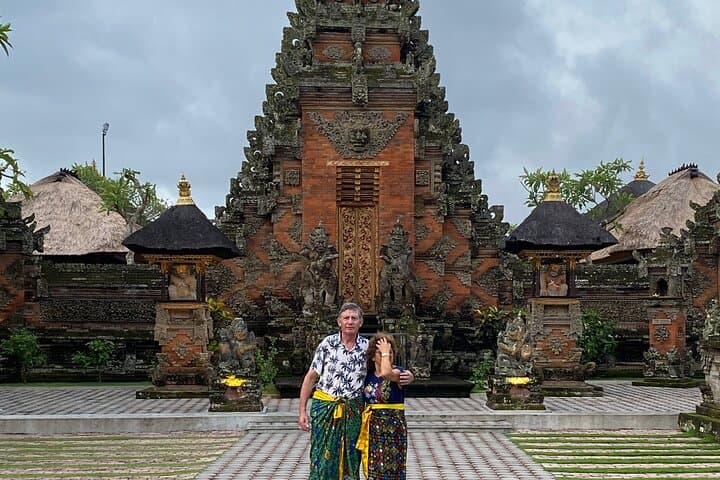
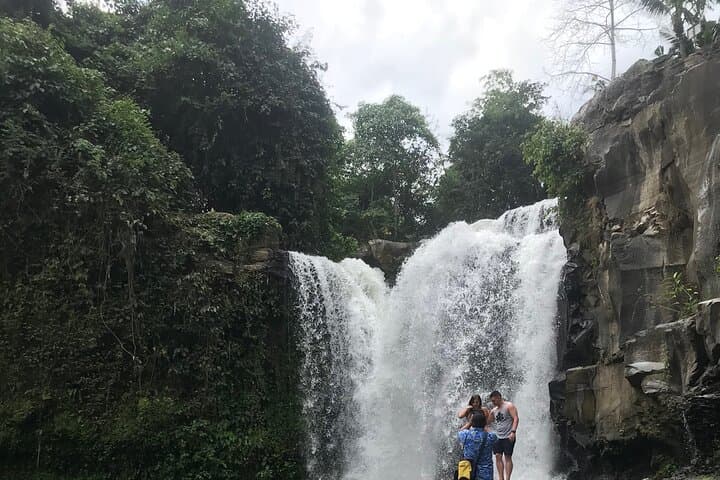
Batuan Temple introduces the island’s Hindu iconography—stone reliefs that narrate Ramayana scenes—before the path drops into the green thunder of Tegenungan waterfall, where the falls dare visitors to step closer and let the spray rewrite the morning. Tegalalang’s terraces sit in a valley shaped by volcanic soils and an age-old subak irrigation system; the rice paddies push the eye outward in ridged, living contours. The Monkey Forest, a compact reserve threaded with temple ruins and towering trees, shelters long-tailed macaques that govern the lanes with curious confidence.
Ubud’s identity is cultural and ecological: a centuries-old arts hub framed by rivers and terraces created by communal irrigation practices. Geology here is volcanic—fertile ash and terraces carved by hands and water. Locals balance tourism and ritual; respect for temple spaces and dress codes is common.
Practical guidance: wear sturdy shoes for uneven temple steps and muddy paths, bring sun protection and a small amount of cash for market bargaining, and keep cameras and snacks secured from monkeys. The full circuit runs about nine hours with multiple short walks and restroom stops; comfortable mobility is sufficient, but expect uneven ground at temples and viewpoints.
easy.
9 hours.
Suitable for most fitness levels; involves multiple short walks on uneven ground and some stairs
According to the tour details, admission fees for listed stops are included—confirm with the operator at booking for any optional activities (e.g., rice-terrace swings or lunch).
Yes—the tour includes an English-speaking driver who also serves as a guide and handles pick-up/drop-off from your hotel or villa.
Children can visit but should be supervised closely; monkeys are wild and may take food or items, so follow onsite rules and staff instructions.
The itinerary may include optional lunches at local restaurants—notify the operator of dietary restrictions when booking so they can advise or arrange alternatives.
Ubud grew as a center for arts and royal patronage; its rice terraces are managed by the traditional Balinese subak irrigation system recognized by UNESCO.
Tourism pressures the Monkey Forest and rice-terrace footpaths—respect signage, avoid feeding wildlife, support registered local guides and choose small, privately run operators to reduce impact.
Jimbaran Bali Driver operates guided outdoor trips and adventures with an emphasis on safety, stewardship, and memorable experiences.
Morning in Ubud arrives with the chill and scent of wet earth—drivers pull up in an air-conditioned car and the road unfurls toward village lanes and rice-slabbed valleys. The day tour moves at a deliberate pace: first, artisans at Tohpati and Celuk demonstrate batik dyeing and metal-smithing while hands and hammers shape the island’s craft traditions.
Morning in Ubud arrives with the chill and scent of wet earth—drivers pull up in an air-conditioned car and the road unfurls toward village lanes and rice-slabbed valleys. The day tour moves at a deliberate pace: first, artisans at Tohpati and Celuk demonstrate batik dyeing and metal-smithing while hands and hammers shape the island’s craft traditions.
Batuan Temple introduces the island’s Hindu iconography—stone reliefs that narrate Ramayana scenes—before the path drops into the green thunder of Tegenungan waterfall, where the falls dare visitors to step closer and let the spray rewrite the morning. Tegalalang’s terraces sit in a valley shaped by volcanic soils and an age-old subak irrigation system; the rice paddies push the eye outward in ridged, living contours. The Monkey Forest, a compact reserve threaded with temple ruins and towering trees, shelters long-tailed macaques that govern the lanes with curious confidence.
Ubud’s identity is cultural and ecological: a centuries-old arts hub framed by rivers and terraces created by communal irrigation practices. Geology here is volcanic—fertile ash and terraces carved by hands and water. Locals balance tourism and ritual; respect for temple spaces and dress codes is common.
Practical guidance: wear sturdy shoes for uneven temple steps and muddy paths, bring sun protection and a small amount of cash for market bargaining, and keep cameras and snacks secured from monkeys. The full circuit runs about nine hours with multiple short walks and restroom stops; comfortable mobility is sufficient, but expect uneven ground at temples and viewpoints.