THE ADVENTURE COLLECTIVE® · Independent discovery and booking for outdoor travel

Spend a full day exploring Ella’s three famous icons: a ridge-top hike to Ella Rock, the colonial-era Nine Arch Bridge, and a sunset climb up Little Adam’s Peak. This practical guide explains what to expect and how to prepare.
Spend a full day exploring Ella’s three famous icons: a ridge-top hike to Ella Rock, the colonial-era Nine Arch Bridge, and a sunset climb up Little Adam’s Peak. This practical guide explains what to expect and how to prepare.
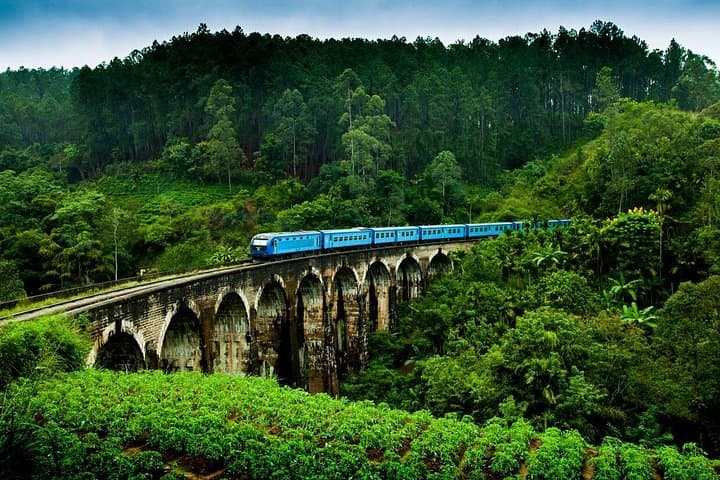
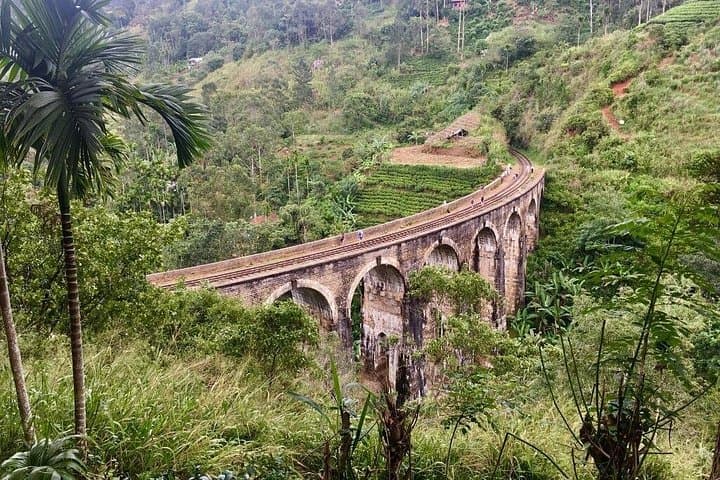
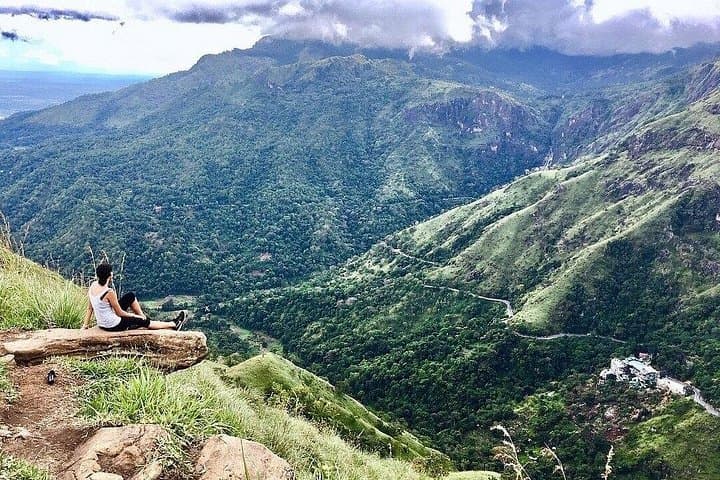
You step out beneath a highland sky, cool air pushing at your shirt as tea bushes roll away like a low green wave. The path to Ella Rock cuts into the hillside—rocky steps, occasional plank bridges and a view that widens with every switchback until the valley drops away. Later, the Demodara Nine Arch Bridge appears, a brick ribbon where trains sigh through jungle and hills; by dusk Little Adam's Peak frames a slow, gold sunset.
Verified experiences and guided adventures in the surrounding area.
Operated by Ella Tours · Ella, Uva Province
You step out beneath a highland sky, cool air pushing at your shirt as tea bushes roll away like a low green wave. The path to Ella Rock cuts into the hillside—rocky steps, occasional plank bridges and a view that widens with every switchback until the valley drops away. Later, the Demodara Nine Arch Bridge appears, a brick ribbon where trains sigh through jungle and hills; by dusk Little Adam's Peak frames a slow, gold sunset.
The route stitches together geology and colonial history: the mountain escarpments are ancient gneiss and granite shaped by uplift and erosion, while the railway and stone bridge date to British Ceylon, built to link plantations created in the 19th century. Tea culture still defines the slopes—Tamil and Sinhala communities work the terraces, and you’ll pass small estates and local stalls selling black tea and sambol.
Expect varied terrain: the Ella Rock hike is exposed and steep in sections, roughly 4–6 km round-trip with 300–400 m of elevation gain depending on route; Little Adam’s Peak is shorter and mostly rock steps, around 1–2 km. Paths can be muddy after rain and narrow near edges—the wind and clouds often rearrange visibility in minutes, daring you to keep moving.
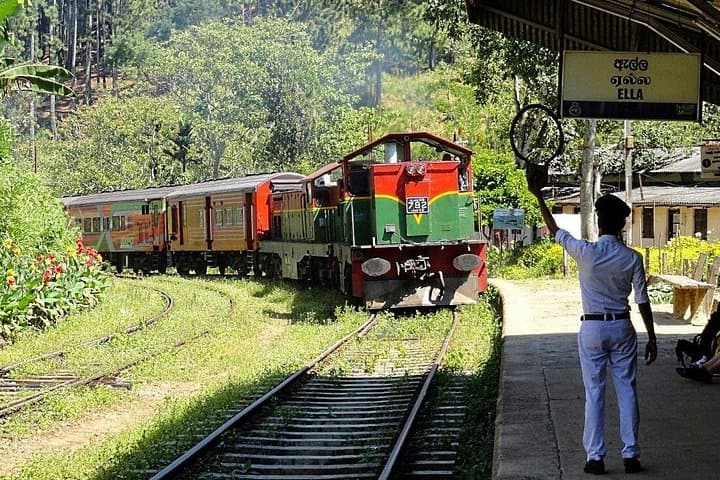
Practical guidance: start early to avoid afternoon showers and crowds, wear grippy shoes, carry 2–3 liters of water, and a light rain jacket. Aim for a local guide if you want faster navigation and cultural context; otherwise follow marked trails and scheduled train timetables if you plan the bridge sighting.
moderate.
Full day (8–10 hours).
Suitable for travelers with moderate fitness: comfortable walking on uneven trails and short steep sections.
Moderate: expect steep sections and uneven footing with about 300–400 m of elevation gain depending on the route; allow 3–5 hours round-trip including breaks.
No, trails are commonly used and partially marked, but a local guide helps with navigation, history and catching train timings at the Nine Arch Bridge.
The clearest months in the highlands are generally December to March; shoulder months can still be good but expect more afternoon showers.
Basic stalls and restrooms exist near the town and at some viewpoints; bring snacks and water for the longer sections between services.
Ella’s railway and the Nine Arch Bridge were built during the British colonial era to service tea plantations established in the 19th century, shaping the region’s modern economy.
Stick to marked trails to avoid erosion on steep slopes, carry out all waste, and buy from local vendors to support small communities that manage the landscape.
Ella Tours operates guided outdoor trips and adventures with an emphasis on safety, stewardship, and memorable experiences.
You step out beneath a highland sky, cool air pushing at your shirt as tea bushes roll away like a low green wave. The path to Ella Rock cuts into the hillside—rocky steps, occasional plank bridges and a view that widens with every switchback until the valley drops away. Later, the Demodara Nine Arch Bridge appears, a brick ribbon where trains sigh through jungle and hills; by dusk Little Adam's Peak frames a slow, gold sunset.
You step out beneath a highland sky, cool air pushing at your shirt as tea bushes roll away like a low green wave. The path to Ella Rock cuts into the hillside—rocky steps, occasional plank bridges and a view that widens with every switchback until the valley drops away. Later, the Demodara Nine Arch Bridge appears, a brick ribbon where trains sigh through jungle and hills; by dusk Little Adam's Peak frames a slow, gold sunset.
The route stitches together geology and colonial history: the mountain escarpments are ancient gneiss and granite shaped by uplift and erosion, while the railway and stone bridge date to British Ceylon, built to link plantations created in the 19th century. Tea culture still defines the slopes—Tamil and Sinhala communities work the terraces, and you’ll pass small estates and local stalls selling black tea and sambol.
Expect varied terrain: the Ella Rock hike is exposed and steep in sections, roughly 4–6 km round-trip with 300–400 m of elevation gain depending on route; Little Adam’s Peak is shorter and mostly rock steps, around 1–2 km. Paths can be muddy after rain and narrow near edges—the wind and clouds often rearrange visibility in minutes, daring you to keep moving.
Practical guidance: start early to avoid afternoon showers and crowds, wear grippy shoes, carry 2–3 liters of water, and a light rain jacket. Aim for a local guide if you want faster navigation and cultural context; otherwise follow marked trails and scheduled train timetables if you plan the bridge sighting.