THE ADVENTURE COLLECTIVE® · Independent discovery and booking for outdoor travel

Spend a day with a private guide visiting Anakena beach, Orongo village, Rano Raraku quarry and the Ahu Tongariki moai. This fast-paced tour delivers the island’s geological drama and cultural highlights with efficient transport and expert local insight.
Spend a day with a private guide visiting Anakena beach, Orongo village, Rano Raraku quarry and the Ahu Tongariki moai. This fast-paced tour delivers the island’s geological drama and cultural highlights with efficient transport and expert local insight.
A wind-swept shoreline opens into Anakena’s white sand as the guide steps out and the moai turn slowly toward the sea; the ocean seems to dare visitors to stay still and listen. In a single day this private circuit threads the island’s dramatic contrasts — palm-fringed beaches, cliff-top villages, volcanic craters and the quarry slopes where statues freeze mid-creation.
Verified experiences and guided adventures in the surrounding area.
Operated by Easter Island Travel · Hanga Roa, Valparaíso Region
A wind-swept shoreline opens into Anakena’s white sand as the guide steps out and the moai turn slowly toward the sea; the ocean seems to dare visitors to stay still and listen. In a single day this private circuit threads the island’s dramatic contrasts — palm-fringed beaches, cliff-top villages, volcanic craters and the quarry slopes where statues freeze mid-creation.
Easter Island (Rapa Nui) sits on a lonely basalt outcrop in the southeastern Pacific, populated centuries ago by Polynesian voyagers led by Hotu Matu’a. The island’s geology is dominated by three extinct volcanoes — the crater rim of Rano Kau at Orongo and the tuff slopes of Rano Raraku that supplied the volcanic rock used for moai carving. Cultural marks are visible everywhere: restored stone dwellings, intricate petroglyphs from the Birdman cult, and the monumental ceremonial platforms (ahu) that once organized social life.
Practically, the day is paced for close but respectful viewing: short walks over uneven ground, photo stops, and cliffside overlooks. Expect dusty tracks, shallow scrambles, and coastal wind; a private vehicle links sites so time is efficient. Bring sun protection and layers for rapidly changing exposure, and be prepared to walk 10–20 minutes at several sites on rough terrain. Purchase or confirm Parque Nacional Rapa Nui entry in advance if your itinerary includes protected zones.
This itinerary suits travelers who want an intense cultural and geological primer of Rapa Nui in one active day — equal parts history lesson and fieldwork, framed by one of the Pacific’s most isolated and compelling landscapes.
easy.
6–7 hours.
Able to walk short distances on uneven surfaces and stand for photo stops; minimal climbing required.
Yes — Parque Nacional Rapa Nui requires an entry permit for many sites; confirm whether the tour includes this or purchase separately in advance.
Many stops involve short walks over uneven ground; the operator lists the tour as wheelchair accessible, but access at specific sites may be limited — check ahead for tailored arrangements.
There is typically a brief stop at Anakena where a quick swim is possible if time and weather permit, but the schedule prioritizes cultural visits.
Expect multiple short walks (10–30 minutes) at each site over mixed terrain rather than a single long hike; overall activity is low to moderate.
Rapa Nui was settled by Polynesians around 1000 CE; the island’s moai and ahu reflect complex social systems and ancestral veneration developed over centuries.
Visitor pressure and erosion threaten fragile archaeological sites; stick to paths, avoid touching moai, and support local guides and park fees that fund conservation.
Easter Island Travel operates guided outdoor trips and adventures with an emphasis on safety, stewardship, and memorable experiences.
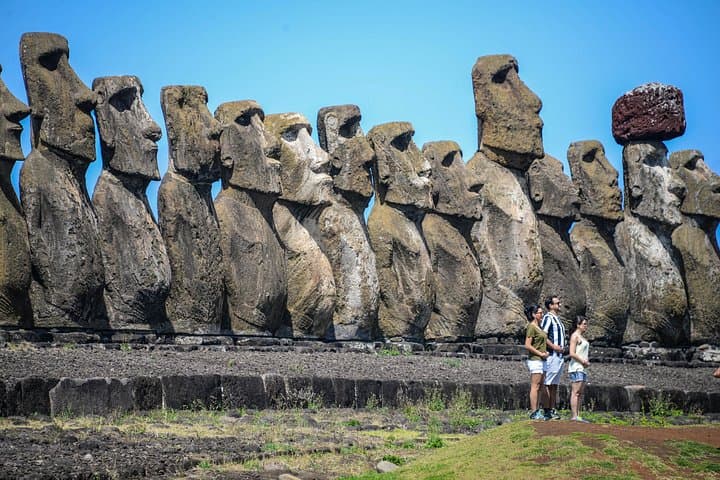
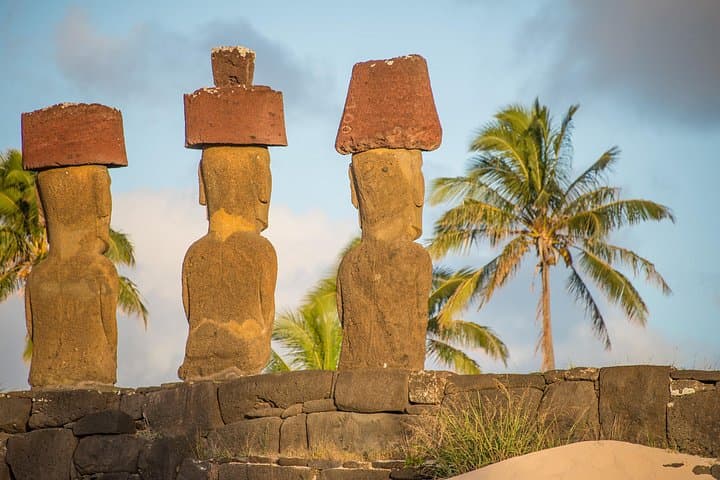
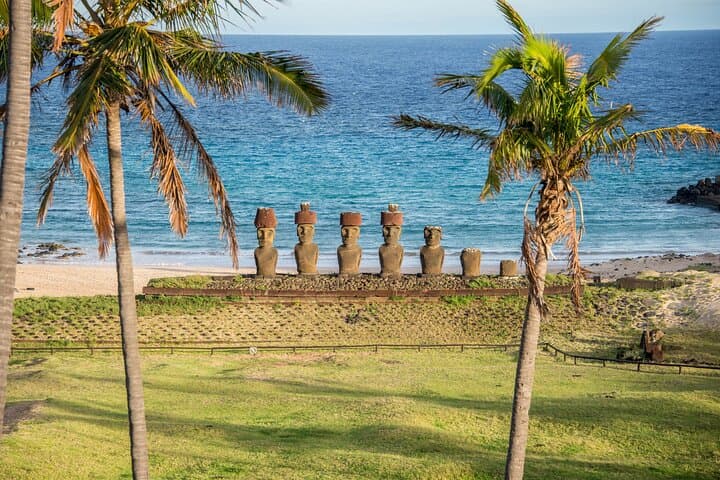
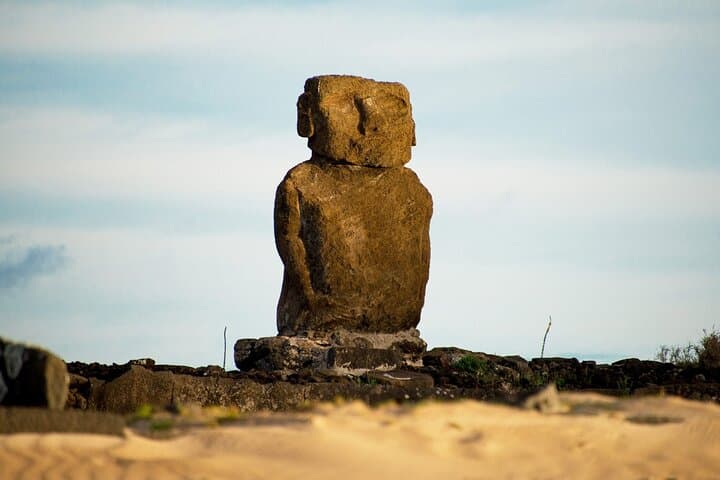
A wind-swept shoreline opens into Anakena’s white sand as the guide steps out and the moai turn slowly toward the sea; the ocean seems to dare visitors to stay still and listen. In a single day this private circuit threads the island’s dramatic contrasts — palm-fringed beaches, cliff-top villages, volcanic craters and the quarry slopes where statues freeze mid-creation.
A wind-swept shoreline opens into Anakena’s white sand as the guide steps out and the moai turn slowly toward the sea; the ocean seems to dare visitors to stay still and listen. In a single day this private circuit threads the island’s dramatic contrasts — palm-fringed beaches, cliff-top villages, volcanic craters and the quarry slopes where statues freeze mid-creation.
Easter Island (Rapa Nui) sits on a lonely basalt outcrop in the southeastern Pacific, populated centuries ago by Polynesian voyagers led by Hotu Matu’a. The island’s geology is dominated by three extinct volcanoes — the crater rim of Rano Kau at Orongo and the tuff slopes of Rano Raraku that supplied the volcanic rock used for moai carving. Cultural marks are visible everywhere: restored stone dwellings, intricate petroglyphs from the Birdman cult, and the monumental ceremonial platforms (ahu) that once organized social life.
Practically, the day is paced for close but respectful viewing: short walks over uneven ground, photo stops, and cliffside overlooks. Expect dusty tracks, shallow scrambles, and coastal wind; a private vehicle links sites so time is efficient. Bring sun protection and layers for rapidly changing exposure, and be prepared to walk 10–20 minutes at several sites on rough terrain. Purchase or confirm Parque Nacional Rapa Nui entry in advance if your itinerary includes protected zones.
This itinerary suits travelers who want an intense cultural and geological primer of Rapa Nui in one active day — equal parts history lesson and fieldwork, framed by one of the Pacific’s most isolated and compelling landscapes.