THE ADVENTURE COLLECTIVE® · Independent discovery and booking for outdoor travel

Travel from Cusco to Machu Picchu in a single organized day by train and bus. This practical guide outlines the route, what to expect on-site, and how to prepare for the long but accessible adventure.
Travel from Cusco to Machu Picchu in a single organized day by train and bus. This practical guide outlines the route, what to expect on-site, and how to prepare for the long but accessible adventure.
You step onto the train at Ollantaytambo as first light strips the valley ridges; the carriage hums and the Urubamba River dares you to look away. Windows frame terraced slopes, passing Andean villages and cloud-touched peaks until Aguas Calientes appears, a compact village clinging to the river below Machu Picchu.
Verified experiences and guided adventures in the surrounding area.
Operated by Ausangate trail · Aguas Calientes (Machu Picchu Pueblo), Cusco Region
You step onto the train at Ollantaytambo as first light strips the valley ridges; the carriage hums and the Urubamba River dares you to look away. Windows frame terraced slopes, passing Andean villages and cloud-touched peaks until Aguas Calientes appears, a compact village clinging to the river below Machu Picchu.
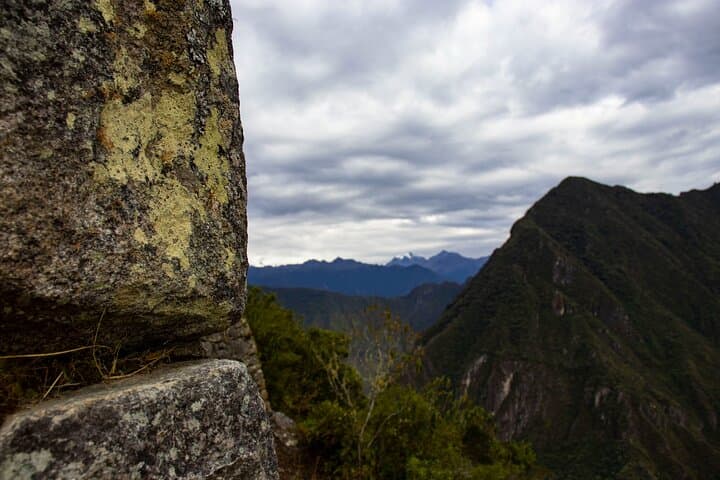
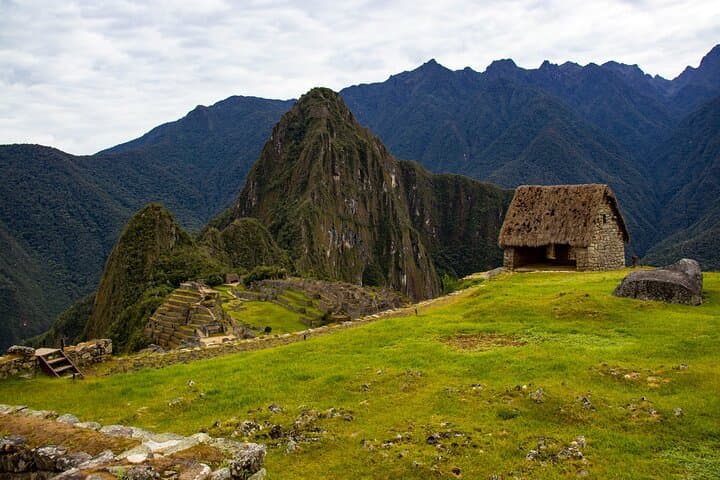
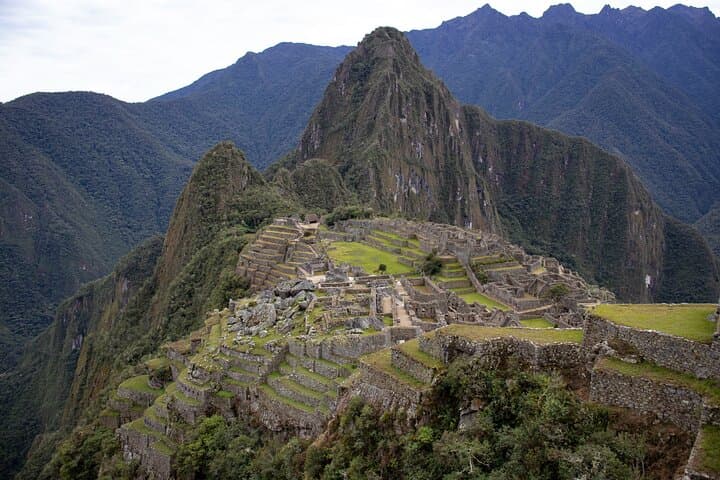
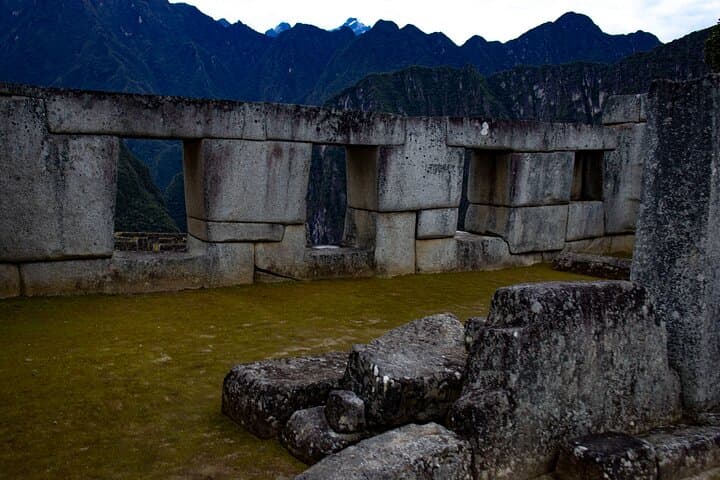
Machu Picchu sits on a limestone saddle carved by tectonic uplift and river incision; the Incas chose the site in the 15th century for strategic views and agricultural terraces that follow the mountain’s geology. Hiram Bingham’s 1911 expedition brought the citadel to global attention, but local Quechua communities have long maintained cultural ties to the place. Expect stone temples, agricultural sectors, and narrow plazas that reveal Inca engineering — and a cloud forest ecosystem that supports orchids and hummingbirds.
Practically, this is a long, well-organized day: early hotel pickup in Cusco, train from Ollantaytambo to Aguas Calientes, bus up to the citadel, a guided 2–3 hour circuit, then return train and transfer to Cusco. Altitude (Cusco ~3,400 m) and the early start make hydration, pacing, and layers essential. The trail between terraces is mostly stone and compacted paths; wear supportive footwear and carry a small daypack.
Timing matters: trains and entrance slots are fixed—book in advance. Bring local currency for snacks in Aguas Calientes, and leave single-use plastics behind where possible. With a good guide, the site’s history and the canyon’s geology come alive; the rest is straightforward logistics and a memorable encounter with one of the Andes’ most legendary places.
moderate.
14–17 hours.
Suitable for travelers in average fitness — day involves short walking and many steps at altitude; basic stamina required.
Yes — this tour includes the Machu Picchu entrance for Circuit 2 and a guided visit to the citadel.
The guided portion is typically around 2–3 hours, giving time to see major sectors and take photos.
Possibly — Cusco is at high altitude (about 3,400 m). Acclimatize beforehand, hydrate, and move at a steady pace; medication like acetazolamide can help if prescribed.
Infants may join but must sit on an adult’s lap per operator policy; consider the long day and early start when traveling with young children.
Machu Picchu was constructed by the Inca in the 15th century—often attributed to Pachacuti—and brought to international attention after Hiram Bingham’s 1911 expedition.
Visitor limits and timed entries help protect fragile terraces and trails; stick to marked paths, avoid single-use plastics, and follow guide instructions to minimize impact.
Ausangate trail operates guided outdoor trips and adventures with an emphasis on safety, stewardship, and memorable experiences.
You step onto the train at Ollantaytambo as first light strips the valley ridges; the carriage hums and the Urubamba River dares you to look away. Windows frame terraced slopes, passing Andean villages and cloud-touched peaks until Aguas Calientes appears, a compact village clinging to the river below Machu Picchu.
You step onto the train at Ollantaytambo as first light strips the valley ridges; the carriage hums and the Urubamba River dares you to look away. Windows frame terraced slopes, passing Andean villages and cloud-touched peaks until Aguas Calientes appears, a compact village clinging to the river below Machu Picchu.
Machu Picchu sits on a limestone saddle carved by tectonic uplift and river incision; the Incas chose the site in the 15th century for strategic views and agricultural terraces that follow the mountain’s geology. Hiram Bingham’s 1911 expedition brought the citadel to global attention, but local Quechua communities have long maintained cultural ties to the place. Expect stone temples, agricultural sectors, and narrow plazas that reveal Inca engineering — and a cloud forest ecosystem that supports orchids and hummingbirds.
Practically, this is a long, well-organized day: early hotel pickup in Cusco, train from Ollantaytambo to Aguas Calientes, bus up to the citadel, a guided 2–3 hour circuit, then return train and transfer to Cusco. Altitude (Cusco ~3,400 m) and the early start make hydration, pacing, and layers essential. The trail between terraces is mostly stone and compacted paths; wear supportive footwear and carry a small daypack.
Timing matters: trains and entrance slots are fixed—book in advance. Bring local currency for snacks in Aguas Calientes, and leave single-use plastics behind where possible. With a good guide, the site’s history and the canyon’s geology come alive; the rest is straightforward logistics and a memorable encounter with one of the Andes’ most legendary places.