THE ADVENTURE COLLECTIVE® · Independent discovery and booking for outdoor travel

Cross the border from Bucharest for a full day of cliffside monasteries, medieval fortresses and stone-built villages. This private tour packs Basarabovo Monastery, Veliko Tarnovo and Arbanasi into one day with time to walk, eat local food, and learn regional history.
Cross the border from Bucharest for a full day of cliffside monasteries, medieval fortresses and stone-built villages. This private tour packs Basarabovo Monastery, Veliko Tarnovo and Arbanasi into one day with time to walk, eat local food, and learn regional history.
You leave Bucharest at first light and the road unfurls toward a different rhythm: limestone cliffs, river bends, and villages that keep their own clock. Within a few hours you cross the border and arrive at Basarabovo, where a rock-cut monastery clings to a cliff above the Rusenski Lom valley. The air here smells of stone and river; the carved cells and narrow stairways make the monastery feel like a place time forgot but history remembers.
Verified experiences and guided adventures in the surrounding area.
Operated by Romania Private Guide · Veliko Tarnovo, Veliko Tarnovo Province
You leave Bucharest at first light and the road unfurls toward a different rhythm: limestone cliffs, river bends, and villages that keep their own clock. Within a few hours you cross the border and arrive at Basarabovo, where a rock-cut monastery clings to a cliff above the Rusenski Lom valley. The air here smells of stone and river; the carved cells and narrow stairways make the monastery feel like a place time forgot but history remembers.
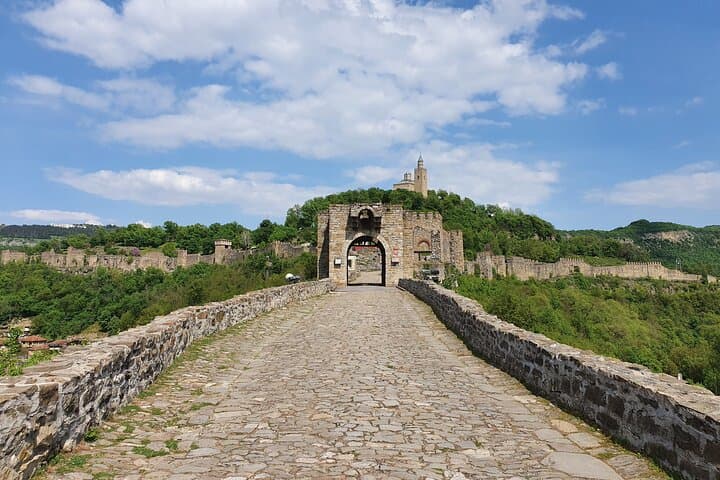
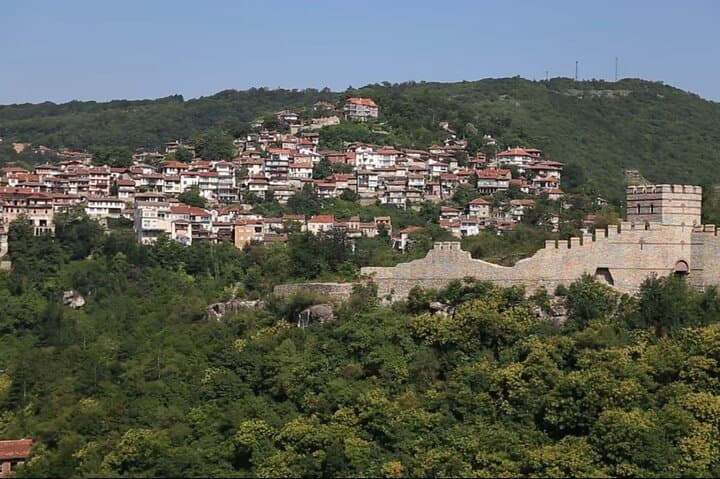
From Basarabovo the road climbs into the old heart of Bulgaria—Veliko Tarnovo. Once the capital of the medieval Bulgarian empire, its houses stack along steep ridges above the Yantra River and the Tsarevets fortress watches the town like a wooden- and-stone crown. The geology of the region—folded sandstone and limestone—creates dramatic river meanders and steep terraces that shaped settlement patterns for centuries.
A short drive brings you to Arbanasi, an 18th-century architectural reserve with thick-walled houses, carved wood, and richly painted churches. Inside one small church you’ll meet the “wheel of life” and unexpected iconography that blends Orthodox doctrine and local craft.
Practical guidance: bring your passport and local currency for small purchases; expect 10–11 hours on the road with 2–3 hours of walking on uneven cobbles and steps. Wear sturdy shoes, sun protection, and a light rain layer in spring or fall. Plan for a private guide who can shift the pace—eat where locals do to sample hearty Bulgarian stews and banitsa. Border formalities are straightforward with EU/Schengen rules for many nationalities, but check visa requirements in advance. This day trip mixes history, geology, and village life—compact, walkable, and rich in detail.
easy.
10–11 hours.
Suitable for travelers in average physical condition; expect several hours of standing and walking over uneven terrain and steps.
Yes — you will cross the Romanian–Bulgarian border; all travelers should carry passports and check visa requirements for their nationality.
Lunch is typically not included; the guide will recommend local restaurants where you can sample Bulgarian dishes and buy a meal.
Expect 2–3 hours of walking split across sites—short hikes, cobblestone streets and steps inside monasteries and churches.
Most itineraries do not include site admission fees; check with the operator and have local currency available for small entrance fees.
Veliko Tarnovo was Bulgaria’s medieval capital (12th–14th centuries) and retains fortress ruins and revival-period houses; Arbanasi prospered as a merchant village in the Ottoman era and preserves many richly decorated churches.
The sites are fragile—stick to marked paths in the Rusenski Lom valley and respect church interiors by avoiding flash photography and wearing modest clothing.
Romania Private Guide operates guided outdoor trips and adventures with an emphasis on safety, stewardship, and memorable experiences.
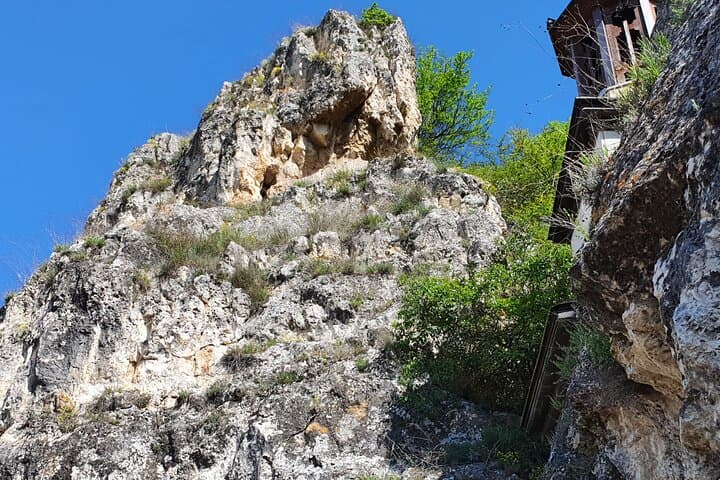
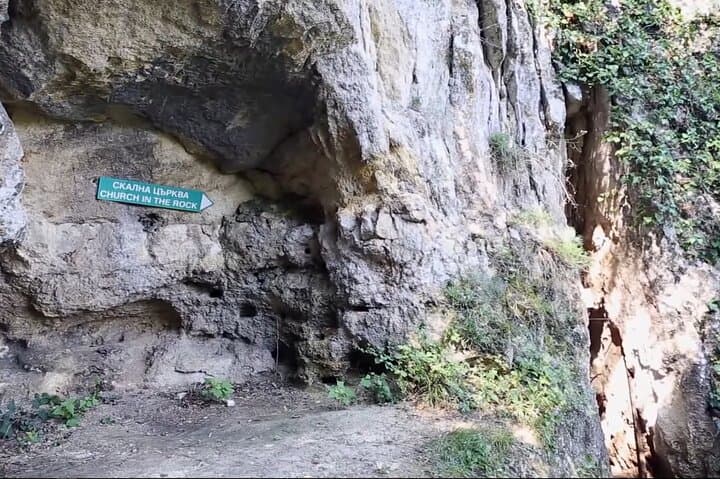
You leave Bucharest at first light and the road unfurls toward a different rhythm: limestone cliffs, river bends, and villages that keep their own clock. Within a few hours you cross the border and arrive at Basarabovo, where a rock-cut monastery clings to a cliff above the Rusenski Lom valley. The air here smells of stone and river; the carved cells and narrow stairways make the monastery feel like a place time forgot but history remembers.
You leave Bucharest at first light and the road unfurls toward a different rhythm: limestone cliffs, river bends, and villages that keep their own clock. Within a few hours you cross the border and arrive at Basarabovo, where a rock-cut monastery clings to a cliff above the Rusenski Lom valley. The air here smells of stone and river; the carved cells and narrow stairways make the monastery feel like a place time forgot but history remembers.
From Basarabovo the road climbs into the old heart of Bulgaria—Veliko Tarnovo. Once the capital of the medieval Bulgarian empire, its houses stack along steep ridges above the Yantra River and the Tsarevets fortress watches the town like a wooden- and-stone crown. The geology of the region—folded sandstone and limestone—creates dramatic river meanders and steep terraces that shaped settlement patterns for centuries.
A short drive brings you to Arbanasi, an 18th-century architectural reserve with thick-walled houses, carved wood, and richly painted churches. Inside one small church you’ll meet the “wheel of life” and unexpected iconography that blends Orthodox doctrine and local craft.
Practical guidance: bring your passport and local currency for small purchases; expect 10–11 hours on the road with 2–3 hours of walking on uneven cobbles and steps. Wear sturdy shoes, sun protection, and a light rain layer in spring or fall. Plan for a private guide who can shift the pace—eat where locals do to sample hearty Bulgarian stews and banitsa. Border formalities are straightforward with EU/Schengen rules for many nationalities, but check visa requirements in advance. This day trip mixes history, geology, and village life—compact, walkable, and rich in detail.