THE ADVENTURE COLLECTIVE® · Independent discovery and booking for outdoor travel

A full-day guided route from Sierpe into Corcovado combines river and ocean travel, two guided walks and a ranger-station lunch. Expect dense rainforest, high wildlife activity and long transit times—perfect for serious wildlife photographers and committed nature lovers.
A full-day guided route from Sierpe into Corcovado combines river and ocean travel, two guided walks and a ranger-station lunch. Expect dense rainforest, high wildlife activity and long transit times—perfect for serious wildlife photographers and committed nature lovers.
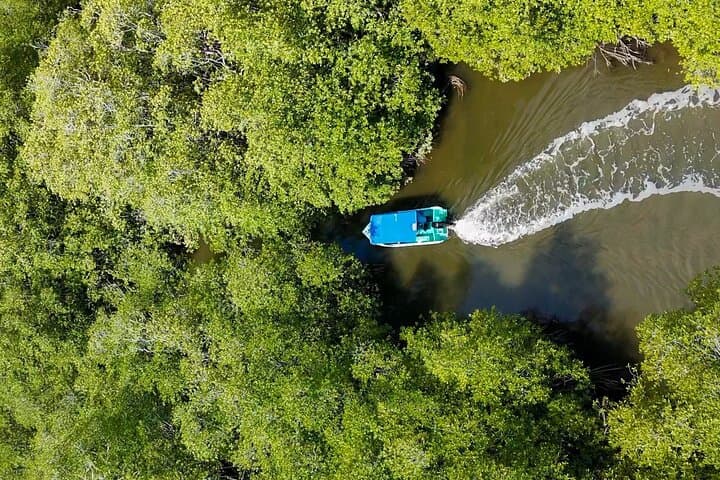
Morning light breaks over the Sierpe River as guides load boats and the mangroves lean in to watch. Passengers step aboard, coffee in hand, and the river—dark, slow, alive—pulls the group toward the Pacific and the raw, ancient rainforest of Corcovado.
Verified experiences and guided adventures in the surrounding area.
Operated by Quepos Info Center · Sierpe, Puntarenas
Morning light breaks over the Sierpe River as guides load boats and the mangroves lean in to watch. Passengers step aboard, coffee in hand, and the river—dark, slow, alive—pulls the group toward the Pacific and the raw, ancient rainforest of Corcovado.
The route threads past mangrove canals that formed on volcanic soils and tidal flats carved by centuries of currents. Corcovado was protected in 1975 and sits on the Osa Peninsula, an ecological corner where Central and South American species overlap. Guides point out how the park’s geology—steep ridges dropping to beaches—creates microhabitats that support over 200 bird species, four monkey species, tapirs and resident dolphins offshore.
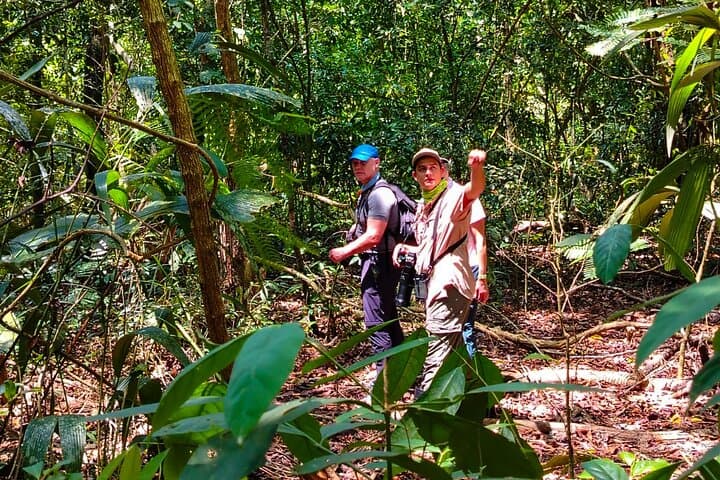
Culturally, the area has long been used by small coastal communities and indigenous groups; modern park management balances tourism with ranger-led protection and local livelihoods. Expect two main water legs (river then ocean), a ranger-station lunch, and two guided trail walks where the forest will test your senses: bright macaws cry, ants march, and the canopy drops sudden shade.
Practicalities: this is a long day—13–14 hours with boat transfers—so bring layered, quick-dry clothing, waterproof footwear, 2–3 liters of water, strong sunscreen and insect repellent. Wear soles that grip muddy trails and a small daypack for snacks, camera and rain gear. Listen to your bilingual guide; group size is limited and park rules require staying with your guide and keeping noise low to increase wildlife sightings. Timing your visit during the drier months improves trail conditions, but the sea and river are worth whatever the season delivers.
moderate.
13–14 hours.
Requires a moderate level of fitness for lengthy boat transfers and up to two short but sometimes uneven rainforest hikes
Expect roughly 45 minutes downriver to the mouth, then about 1.5 hours along the coast depending on sea conditions.
Yes; the tour includes national park entrance fees and a ranger-guided permit for trails visited.
Children can join but the tour requires moderate fitness and long travel; infant seats are available but check age restrictions and safety guidance with the operator.
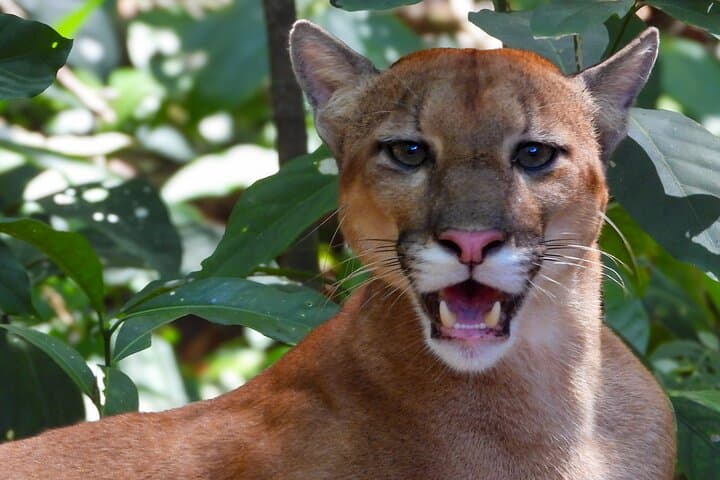
Common sightings include white-faced capuchins, howler monkeys, scarlet macaws, tropical spotted dolphins offshore and a variety of shorebirds.
Corcovado was designated a national park in 1975 to protect one of the last extensive tracts of Pacific lowland rainforest in Costa Rica and the traditional coastal resources used by local communities.
Visitor numbers are managed and ranger fees support protection; stay on trails, pack out trash and follow guides to minimize disturbance to sensitive species.
Quepos Info Center operates guided outdoor trips and adventures with an emphasis on safety, stewardship, and memorable experiences.
Morning light breaks over the Sierpe River as guides load boats and the mangroves lean in to watch. Passengers step aboard, coffee in hand, and the river—dark, slow, alive—pulls the group toward the Pacific and the raw, ancient rainforest of Corcovado.
Morning light breaks over the Sierpe River as guides load boats and the mangroves lean in to watch. Passengers step aboard, coffee in hand, and the river—dark, slow, alive—pulls the group toward the Pacific and the raw, ancient rainforest of Corcovado.
The route threads past mangrove canals that formed on volcanic soils and tidal flats carved by centuries of currents. Corcovado was protected in 1975 and sits on the Osa Peninsula, an ecological corner where Central and South American species overlap. Guides point out how the park’s geology—steep ridges dropping to beaches—creates microhabitats that support over 200 bird species, four monkey species, tapirs and resident dolphins offshore.
Culturally, the area has long been used by small coastal communities and indigenous groups; modern park management balances tourism with ranger-led protection and local livelihoods. Expect two main water legs (river then ocean), a ranger-station lunch, and two guided trail walks where the forest will test your senses: bright macaws cry, ants march, and the canopy drops sudden shade.
Practicalities: this is a long day—13–14 hours with boat transfers—so bring layered, quick-dry clothing, waterproof footwear, 2–3 liters of water, strong sunscreen and insect repellent. Wear soles that grip muddy trails and a small daypack for snacks, camera and rain gear. Listen to your bilingual guide; group size is limited and park rules require staying with your guide and keeping noise low to increase wildlife sightings. Timing your visit during the drier months improves trail conditions, but the sea and river are worth whatever the season delivers.