THE ADVENTURE COLLECTIVE® · Independent discovery and booking for outdoor travel

Travel from Manuel Antonio into Corcovado for an intense day of rainforest hiking and wildlife watching on Costa Rica’s Osa Peninsula. Expect long travel, regulated access, and close encounters with some of the country’s most iconic species.
Travel from Manuel Antonio into Corcovado for an intense day of rainforest hiking and wildlife watching on Costa Rica’s Osa Peninsula. Expect long travel, regulated access, and close encounters with some of the country’s most iconic species.
You step off the vehicle before dawn, the humidity already heavy, and the road ahead narrows into the green lung of Costa Rica’s Osa Peninsula. The rainforest here presses close: leaves drip, birds call, and every footfall feels like an intrusion into a world that has kept its own pace for millennia.
Verified experiences and guided adventures in the surrounding area.
Operated by Epic Adventures Costa Rica · Puerto Jimenez, Puntarenas
You step off the vehicle before dawn, the humidity already heavy, and the road ahead narrows into the green lung of Costa Rica’s Osa Peninsula. The rainforest here presses close: leaves drip, birds call, and every footfall feels like an intrusion into a world that has kept its own pace for millennia.
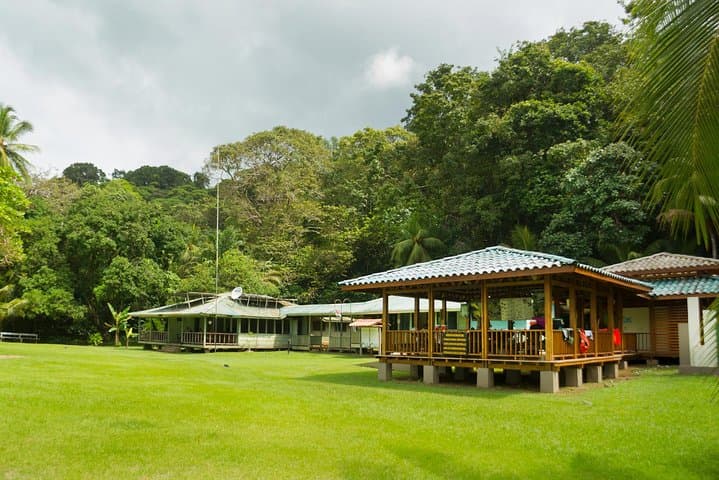
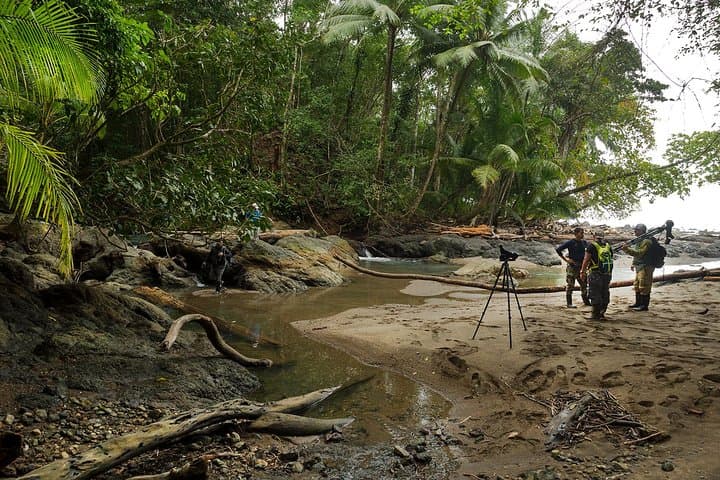
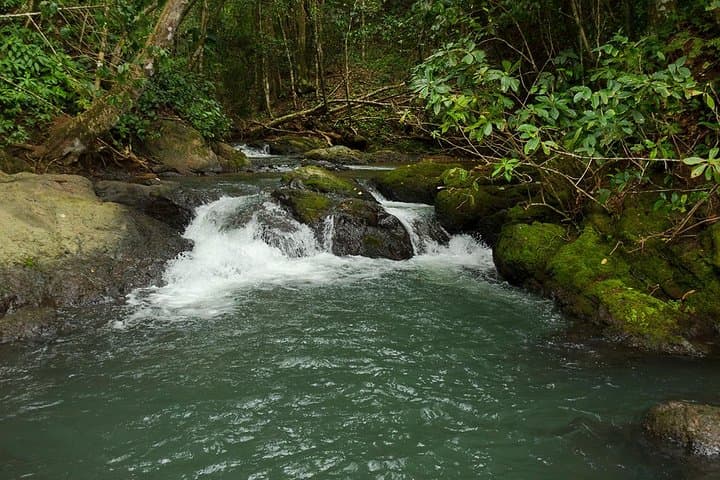
Corcovado National Park, designated in 1975, protects extensive lowland tropical rainforest, coastal beaches and mangrove-lined rivers that support some of the highest species densities on the planet. Geologically the park is coastal plain carved by tectonic uplift and riverine sediment; trails swing between beach sand, mud, and root-choked paths. Culturally the park sits in a sparsely populated region with small fishing towns and a conservation-first ethos—visits are regulated and guides are standard in many sectors.
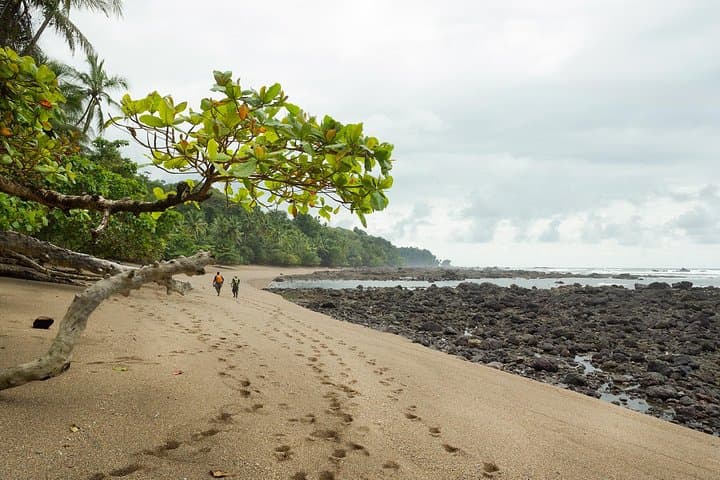
On a one-day trip from Manuel Antonio expect a very early pickup, several hours of road or boat transit, a guided hike on flat to rolling trails, and concentrated wildlife watching: scarlet macaws, spider and howler monkeys, coatis, and signs of tapir deeper in the forest. Trails can be hot and slick; beaches like Playa Sirena or Carate offer sudden, open relief from the canopy.
Practical edge: permits and park fees are required, ranger rules limit where you can go, and you should be ready for long transit times back to Manuel Antonio the same day. Bring layered, quick-dry clothing, high-traction footwear, insect protection, and enough water and snacks for a full day. Timing—dry season mornings—improves travel reliability and wildlife visibility.
challenging.
10–12 hours (full-day).
Moderate to fit: you’ll handle several hours of walking in heat and humidity, with some uneven terrain.
Yes—several sectors require a certified guide and ranger presence; organized day tours from Manuel Antonio include guide service and entry fees.
Expect 3–5 hours one-way depending on route (road plus boat options), so the day can be long—book a provider that coordinates transport efficiently.
No—wildlife sightings are likely but not guaranteed; guides know recent activity and habitats that increase your chances.
Moderate fitness is recommended: trails are low-elevation but can be long, hot, muddy, and uneven.
Created in 1975 to protect one of Central America’s last extensive lowland rainforests, Corcovado has been central to Costa Rica’s modern conservation movement.
Visitor numbers and activities are regulated; choosing guided tours and following ranger rules helps limit impact and supports local conservation efforts.
Epic Adventures Costa Rica operates guided outdoor trips and adventures with an emphasis on safety, stewardship, and memorable experiences.
You step off the vehicle before dawn, the humidity already heavy, and the road ahead narrows into the green lung of Costa Rica’s Osa Peninsula. The rainforest here presses close: leaves drip, birds call, and every footfall feels like an intrusion into a world that has kept its own pace for millennia.
You step off the vehicle before dawn, the humidity already heavy, and the road ahead narrows into the green lung of Costa Rica’s Osa Peninsula. The rainforest here presses close: leaves drip, birds call, and every footfall feels like an intrusion into a world that has kept its own pace for millennia.
Corcovado National Park, designated in 1975, protects extensive lowland tropical rainforest, coastal beaches and mangrove-lined rivers that support some of the highest species densities on the planet. Geologically the park is coastal plain carved by tectonic uplift and riverine sediment; trails swing between beach sand, mud, and root-choked paths. Culturally the park sits in a sparsely populated region with small fishing towns and a conservation-first ethos—visits are regulated and guides are standard in many sectors.
On a one-day trip from Manuel Antonio expect a very early pickup, several hours of road or boat transit, a guided hike on flat to rolling trails, and concentrated wildlife watching: scarlet macaws, spider and howler monkeys, coatis, and signs of tapir deeper in the forest. Trails can be hot and slick; beaches like Playa Sirena or Carate offer sudden, open relief from the canopy.
Practical edge: permits and park fees are required, ranger rules limit where you can go, and you should be ready for long transit times back to Manuel Antonio the same day. Bring layered, quick-dry clothing, high-traction footwear, insect protection, and enough water and snacks for a full day. Timing—dry season mornings—improves travel reliability and wildlife visibility.