THE ADVENTURE COLLECTIVE® · Independent discovery and booking for outdoor travel

This full-day loop from Cancún packs Chichén Itzá’s monumental plaza, a pair of dramatic cenotes and the otherworldly pink salt ponds of Las Coloradas into one ambitious itinerary—perfect for travelers who want culture, swimming and surreal landscapes in a single day.
This full-day loop from Cancún packs Chichén Itzá’s monumental plaza, a pair of dramatic cenotes and the otherworldly pink salt ponds of Las Coloradas into one ambitious itinerary—perfect for travelers who want culture, swimming and surreal landscapes in a single day.
By dawn the coach peels out of Cancún, headlights cutting a path through mangrove and highway light. The Caribbean slips away and the landscape flattens into the raw limestone plains of the Yucatán; scrub palms and citrus groves roll past as the guide outlines the day: an archaeological crown, two underground rivers, a swim break and a surreal blush of pink salt pans.
Verified experiences and guided adventures in the surrounding area.
Operated by H.I.S. México · Cancún, Quintana Roo
By dawn the coach peels out of Cancún, headlights cutting a path through mangrove and highway light. The Caribbean slips away and the landscape flattens into the raw limestone plains of the Yucatán; scrub palms and citrus groves roll past as the guide outlines the day: an archaeological crown, two underground rivers, a swim break and a surreal blush of pink salt pans.
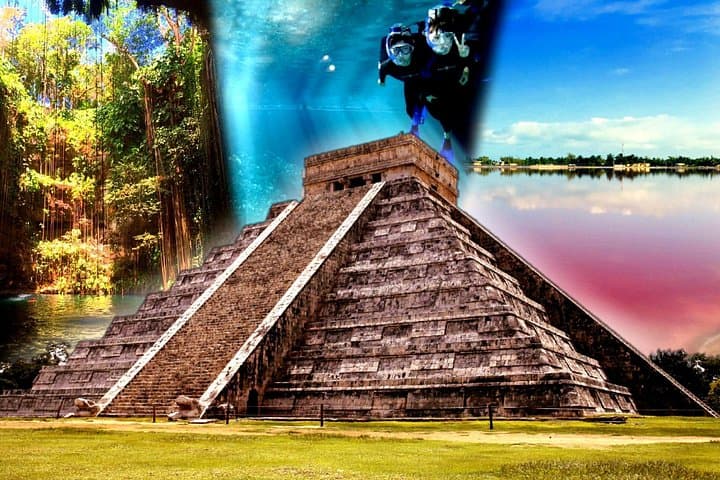
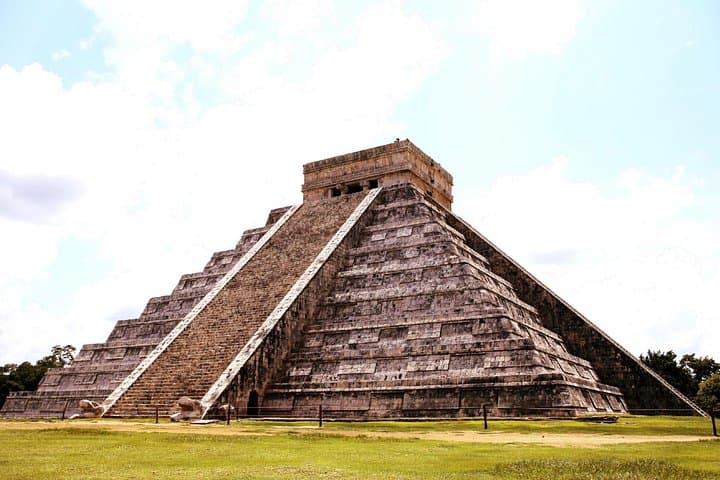
Arrive at Chichén Itzá and the ancient plaza opens like a stage. The Kukulkán pyramid stands precise and mathematical—its staircases, shadow-play and astronomical alignments reveal a civilization that read the sky like a clock. Nearby, the colonial town of Pisté and the haciendas that supplied it reflect the layered history of Spanish rule and Maya resilience.
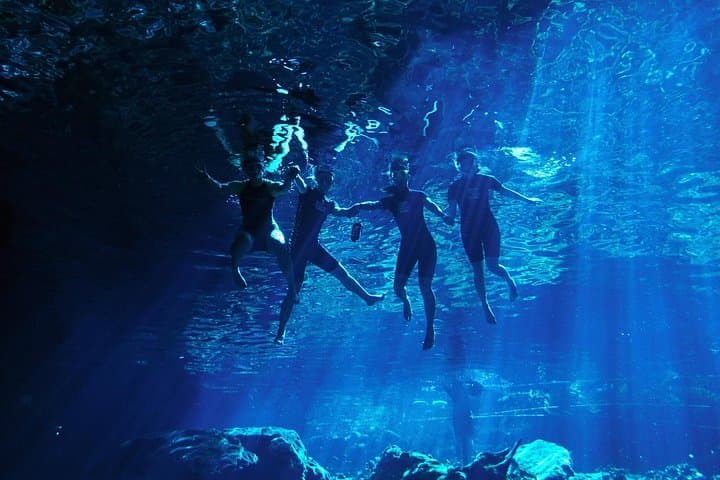
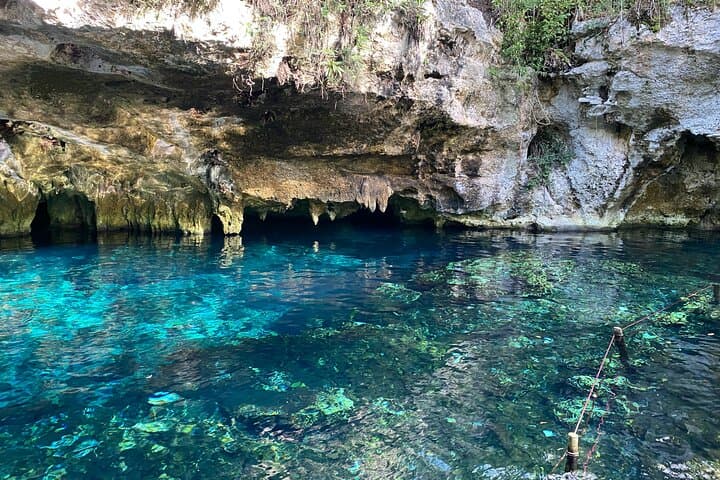
Geology here is quiet but decisive: the peninsula sits on porous limestone riddled with caverns carved by groundwater. Those caverns collapsed into sinkholes—cenotes—where sunlight spills into clear, spring-fed pools. Grand Cenote and Cenote Ik Kil, visited later in the day, offer two faces of the same process: one a forested cavern with light shafts and turtles, the other a dramatic near-vertical bowl where vines brush the water and limestone stalactites hang like old chandeliers.
The final stop is Las Coloradas, the pink lakes on the east coast. The color is not fantasy but biology—salt evaporation ponds cultivate halophilic algae and brine shrimp that tint the water. Wind and sunlight finish the palette, producing intense magentas that dare you to point a camera.
Practical edge: this is a long day—expect roughly 14 hours on the road and at sites. Drive times: Cancún to Chichén Itzá ~2–2.5 hours each way; Chichén to Las Coloradas another 1.5–2 hours. Elevation gain is negligible; the work is in the day’s length and walking across uneven stone at the ruins and wet, slippery steps at cenote access points.
What to plan: pack swimwear under your clothes, wear water shoes with grip, bring a reef-safe sunscreen to apply after cenote swims, and a refillable water bottle—the tour includes lunch at Ik Kil but small vendors and a camera fee at archaeological sites may require cash. Cameras are allowed at most stops but some tripod or professional-video use carries extra charges. Pregnant travelers should note the operator’s safety restrictions.
In short: the loop stitches culture, geology and coastal ecology into an ambitious day—best for travelers who want a crash course in Yucatán’s highlights and don’t mind an early start and a full itinerary.
moderate.
14 hours.
Suitable for travelers with average fitness—requires walking on uneven ground, steps, and standing during tours.
The full itinerary is approximately 14 hours from hotel pickup in Cancún and includes all transfers, guided visits and lunch.
Yes—swimming opportunities are included, though the schedule can be tight; bring swimwear and a towel and follow safety instructions.
Personal cameras are allowed; professional video equipment or tripods often require an additional on-site fee—bring cash if you plan to film.
The tour is labeled suitable for all fitness levels, but it involves long driving times and some stair descent—assess comfort with lengthy days before booking.
Guides are provided in Japanese or English depending on your reservation—confirm language at booking.
Pregnant women cannot join this tour for safety reasons; participants should also be comfortable entering and exiting cenotes via ladders or stairs.
Chichén Itzá rose to prominence between roughly 600–900 CE and was a major Maya city and ceremonial center with astronomical alignments.
Cenotes and coastal lagoons are ecologically fragile—tour operators encourage biodegradable products, limited touching of formations and staying on marked paths to reduce impact.
H.I.S. México operates guided outdoor trips and adventures with an emphasis on safety, stewardship, and memorable experiences.
By dawn the coach peels out of Cancún, headlights cutting a path through mangrove and highway light. The Caribbean slips away and the landscape flattens into the raw limestone plains of the Yucatán; scrub palms and citrus groves roll past as the guide outlines the day: an archaeological crown, two underground rivers, a swim break and a surreal blush of pink salt pans.
By dawn the coach peels out of Cancún, headlights cutting a path through mangrove and highway light. The Caribbean slips away and the landscape flattens into the raw limestone plains of the Yucatán; scrub palms and citrus groves roll past as the guide outlines the day: an archaeological crown, two underground rivers, a swim break and a surreal blush of pink salt pans.
Arrive at Chichén Itzá and the ancient plaza opens like a stage. The Kukulkán pyramid stands precise and mathematical—its staircases, shadow-play and astronomical alignments reveal a civilization that read the sky like a clock. Nearby, the colonial town of Pisté and the haciendas that supplied it reflect the layered history of Spanish rule and Maya resilience.
Geology here is quiet but decisive: the peninsula sits on porous limestone riddled with caverns carved by groundwater. Those caverns collapsed into sinkholes—cenotes—where sunlight spills into clear, spring-fed pools. Grand Cenote and Cenote Ik Kil, visited later in the day, offer two faces of the same process: one a forested cavern with light shafts and turtles, the other a dramatic near-vertical bowl where vines brush the water and limestone stalactites hang like old chandeliers.
The final stop is Las Coloradas, the pink lakes on the east coast. The color is not fantasy but biology—salt evaporation ponds cultivate halophilic algae and brine shrimp that tint the water. Wind and sunlight finish the palette, producing intense magentas that dare you to point a camera.
Practical edge: this is a long day—expect roughly 14 hours on the road and at sites. Drive times: Cancún to Chichén Itzá ~2–2.5 hours each way; Chichén to Las Coloradas another 1.5–2 hours. Elevation gain is negligible; the work is in the day’s length and walking across uneven stone at the ruins and wet, slippery steps at cenote access points.
What to plan: pack swimwear under your clothes, wear water shoes with grip, bring a reef-safe sunscreen to apply after cenote swims, and a refillable water bottle—the tour includes lunch at Ik Kil but small vendors and a camera fee at archaeological sites may require cash. Cameras are allowed at most stops but some tripod or professional-video use carries extra charges. Pregnant travelers should note the operator’s safety restrictions.
In short: the loop stitches culture, geology and coastal ecology into an ambitious day—best for travelers who want a crash course in Yucatán’s highlights and don’t mind an early start and a full itinerary.